
Malaysian Ships Cleared To Pass Strait Of Hormuz “Free Of Charge” As Iran Assures Safe Transit
Ships from some other countries are allegedly being asked to pay as much as USD2 million (about RM8 million) for safe passage.


 Cover image via Bernama & AFP Photo/Ho/Sepahnews
Follow us on Instagram, TikTok, and WhatsApp for the latest stories and breaking news.
At least seven Malaysian-owned vessels are expected to sail through the Strait of Hormuz within days, following assurances from Iran that they will be allowed safe passage despite rising tensions in the region
Iranian Ambassador to Malaysia, Valiollah Mohammadi Nasrabadi, said Tehran had been informed about the vessels currently in the Persian Gulf and their plans to transit the strategic waterway, reported the New Straits Times.
"We received information from Malaysia's foreign minister that several Malaysian ships are in the Persian Gulf and want to pass through.
"We have considered this, and InshaAllah they will pass. It is no problem as Malaysia is a friendly country, and friendly countries can use the strait," he said in an interview with the English daily.
He also confirmed that Malaysian vessels would not be charged to pass through.
"Of course (Malaysian ships are free to pass). We will not charge."
The assurance comes amid growing international scrutiny over how Iran is managing access through the strait
In recent days, multiple international reports have suggested that Iran's military has effectively set up what some have described as a "toll booth" system, with ships allegedly being asked to pay as much as USD2 million (about RM8 million) for safe passage.
According to Bloomberg, these payments are not standardised, with no clear structure on how they are calculated, collected, or even what currency is used.
Earlier, Subang member of parliament Wong Chen urged Putrajaya to clarify whether Malaysia is incurring any such costs.
"If the government has to pay the toll, then it has to disclose this publicly as taxpayers' money is involved. For me, paying and getting clearance to sail is better than having our ships and Malaysian crew stranded, but we have to be transparent and accountable," he was quoted as saying by Malaysiakini.
The Iranian ambassador's statement that Malaysian ships will pass "free of charge" now stands in contrast to these claims, highlighting how access through the Strait of Hormuz appears to be increasingly shaped by geopolitical alignment rather than a fixed system.
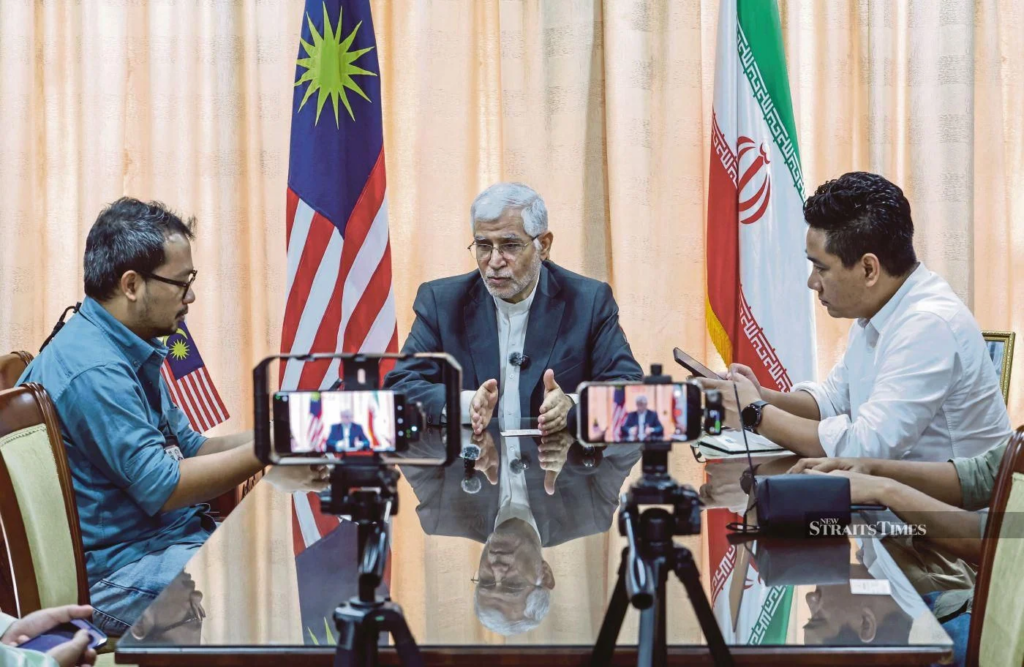
Iranian Ambassador to Malaysia Valiollah Mohammadi Nasrabadi.
Image via Aswadi Alias/New Straits TimesOver the weekend, Foreign Minister Datuk Seri Mohamad Hasan said seven Malaysian-owned tankers are currently awaiting the signal to proceed
The vessels include:
- Three owned by Petronas
- Two by MISC Bhd
- One each by Sapura Energy and Shapadu Corporation
He clarified that the ships are not being detained, but are waiting for a safe window to move. Four of them are reportedly carrying crude oil.
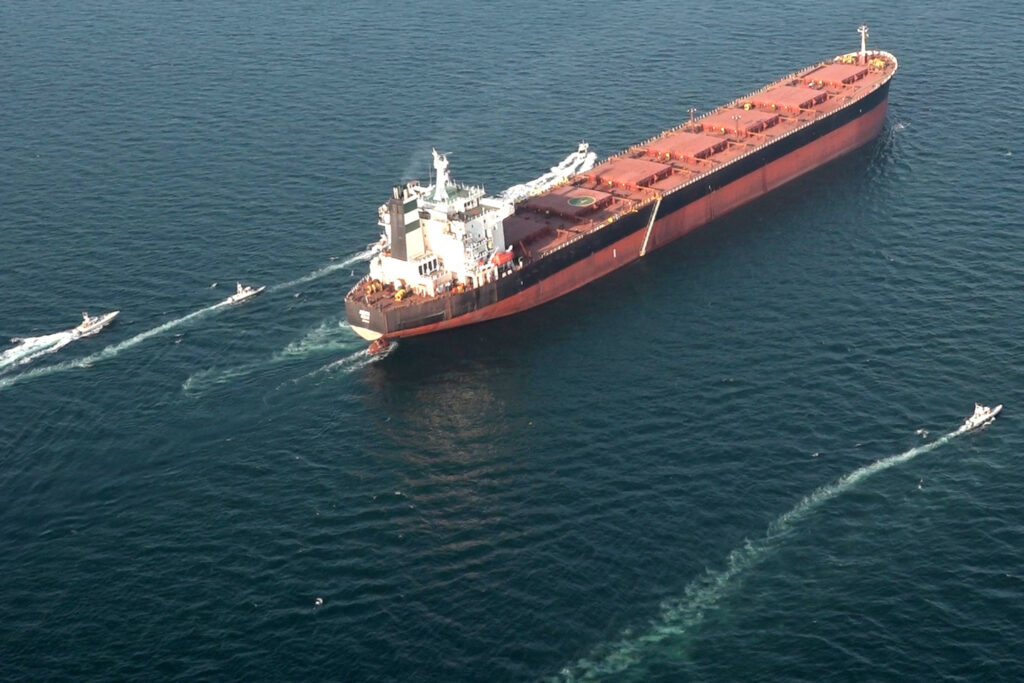
A photo released by Iran's Revolutionary Guards Corps (IRGC)'s official website, Sepah News, in February shows boats manoeuvring around a tanker vessel during a military exercise by members of the IRGC and navy in the Strait of Hormuz.
Image via AFP Photo/Ho/Sepah NewsThe Strait of Hormuz, a critical global shipping route that typically handles about one-fifth of the world's oil supply, has seen restricted movement after the US and Israel started a war with Iran
Iran imposed the restrictions after strikes by the US and Israel about a month ago. However, Valiollah stressed that the waterway remains open, rejecting claims of a full shutdown.
"I want to emphasise: the Strait of Hormuz is not closed. It is restricted for some, not all. If you attack Iran, you cannot use this strait. But we did not close it."
He added that countries considered friendly to Iran can still pass through, as long as there is coordination with Iranian authorities.
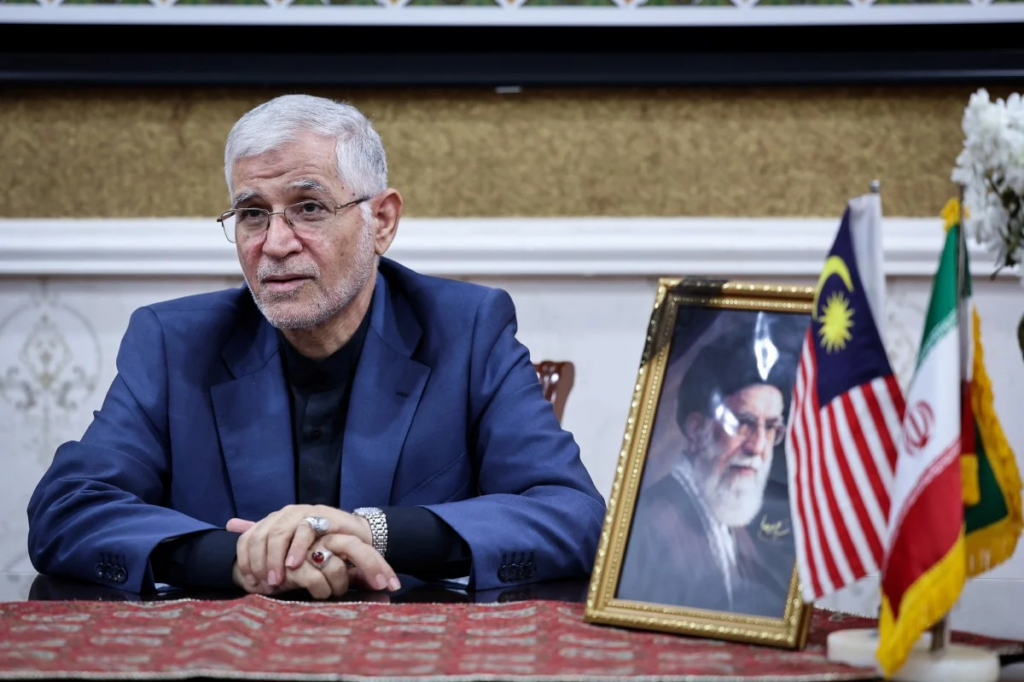
The situation has already contributed to a spike in global fuel prices, given the strait's role as one of the world's most important oil transit routes
Despite decades of sanctions since 1979, Iran has historically avoided shutting down the strait entirely due to its global economic impact, Valiollah said.
"Iran has been under sanctions for 47 years, but we have never closed the Strait of Hormuz. We could have done it, but we didn't.
"If we closed it, people around the world would suffer. We have problems with the US, but we do not want to extend those problems to other countries or global markets."
However, Valiollah indicated that the current situation marks a shift, placing responsibility for rising fuel prices on countries involved in the attacks.
"But now it is different. If someone attacks your home and then wants to use your straits, you will say no."
Valiollah also played down reports that the US is seeking support from NATO countries to escort vessels through the strait.
He said there had been no meaningful response and warned that any foreign military presence would be seen as backing US actions.
