
WFH Saved Civil Servants 4 Million Litres Of Petrol In Just 3 Months, Says MOF
This translates to RM7.31 million in petrol subsidy savings for the government.


 Cover image via
 Follow us on Instagram, TikTok, and WhatsApp for the latest stories and breaking news.
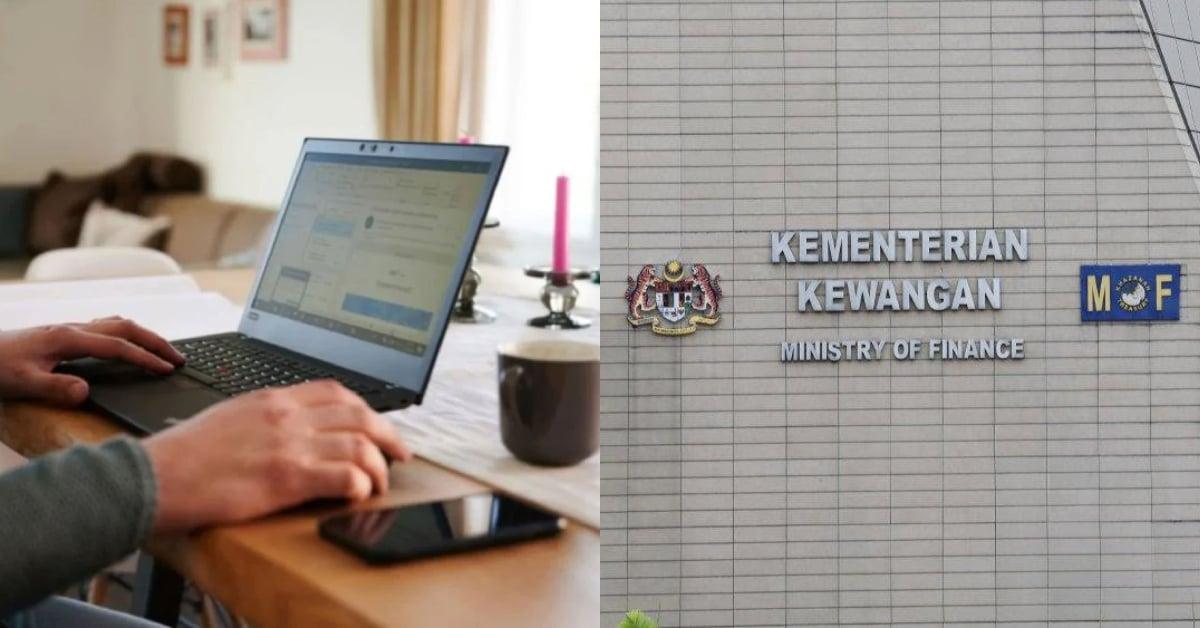
Working from home (WFH) has helped federal civil servants save more than 4 million litres of petrol since the policy was introduced in April this year
In a written reply published on the Parliament website on 16 July, the Ministry of Finance (MOF) said the initiative has saved a total of 4.05 million litres of petrol as of 14 July.
The ministry said this translates into RM7.31 million in petrol subsidy savings for the government.
The reply was in response to a question from Machang MP Wan Ahmad Fayhsal Wan Ahmad Kamal, who asked about the financial impact of the public sector WFH initiative, particularly the savings achieved through the policy and the government's fuel subsidy rationalisation measures.
According to the MOF, 674,408 federal civil servants have benefited from the initiative since it was introduced in mid-April in response to the global energy supply crisis to help reduce the country's fuel consumption.
Under the policy, eligible civil servants were allowed to work from home three days a week, from Tuesday to Thursday.
The ministry also urged the public to continue using fuel prudently, adding that the government remains committed to ensuring a stable fuel supply to support daily activities, public transport, the logistics sector, and other critical industries.

Following the success of the WFH initiative, the government has agreed to continue flexible working arrangements for civil servants through a new Hybrid Working Day (HWD) policy starting 1 August
Under the new arrangement, civil servants may work remotely two days a week — either from home or another location approved by their head of department — while spending the remaining three days in the office.
Announcing the decision on 14 July, Chief Secretary to the Government Tan Sri Shamsul Azri Abu Bakar said the new policy will continue supporting the government's efforts to reduce fuel subsidy expenditure while maintaining productivity.
"Under the HWD policy, a clear flexibility formula has been established whereby civil servants are required to work in the office for three days and work remotely from home or an alternative location for two days each week," he said.
Mandatory office days will depend on each state's weekly rest day. In states where the weekend falls on Sunday, civil servants must work from the office on Mondays and Fridays. Meanwhile, in Kedah, Kelantan, and Terengganu, where Friday is the weekly rest day, mandatory office days will be Sundays and Thursdays.
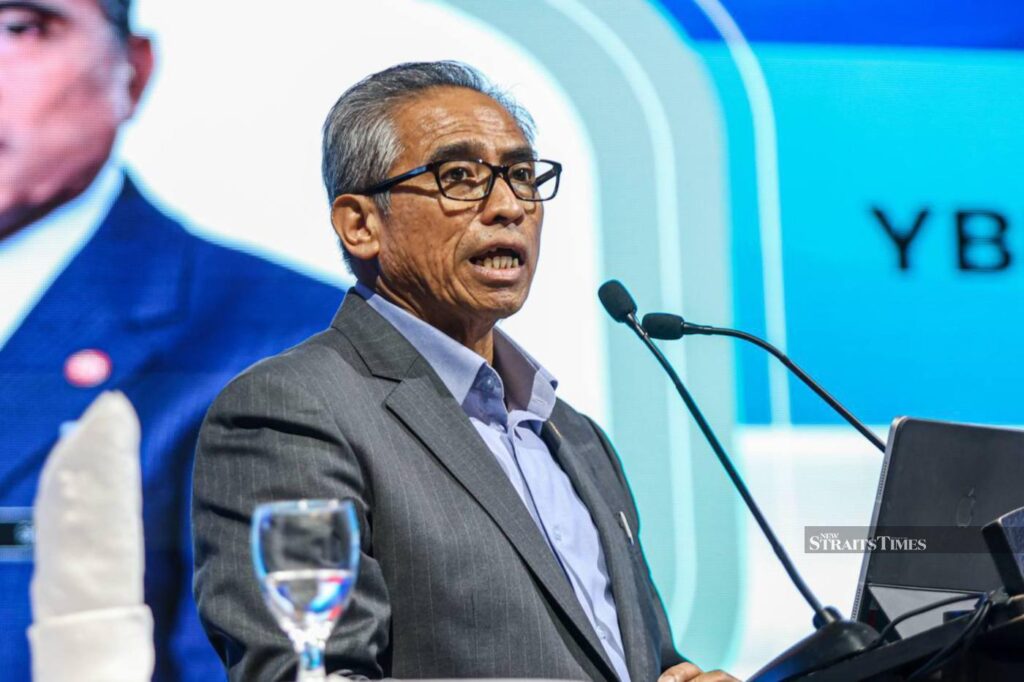
Chief Secretary to the Government Tan Sri Shamsul Azri Abu Bakar
Image via Ahmad Ukasyah/New Straits TimesRead more trending stories on SAYS

Flight Attendant Who Ploughed Into Work Crew, Killing DBKL Road Supervisor, Granted Bail
Mohd Iman Nafiz Fong Mohd Sabirin, 26, allegedly recorded a blood alcohol level above Malaysia's legal limit.