
9 Scientific Facts That Make You Wish You Were The Middle Child
It must be true if science backs it up!


 Cover image via buzzfeed
For decades, it's a known fact that middle children – those born in between the eldest and the youngest – tend to have a hard time growing up

Image via Buzzfeed
Within their families, they're sometimes misunderstood, neglected and underestimated
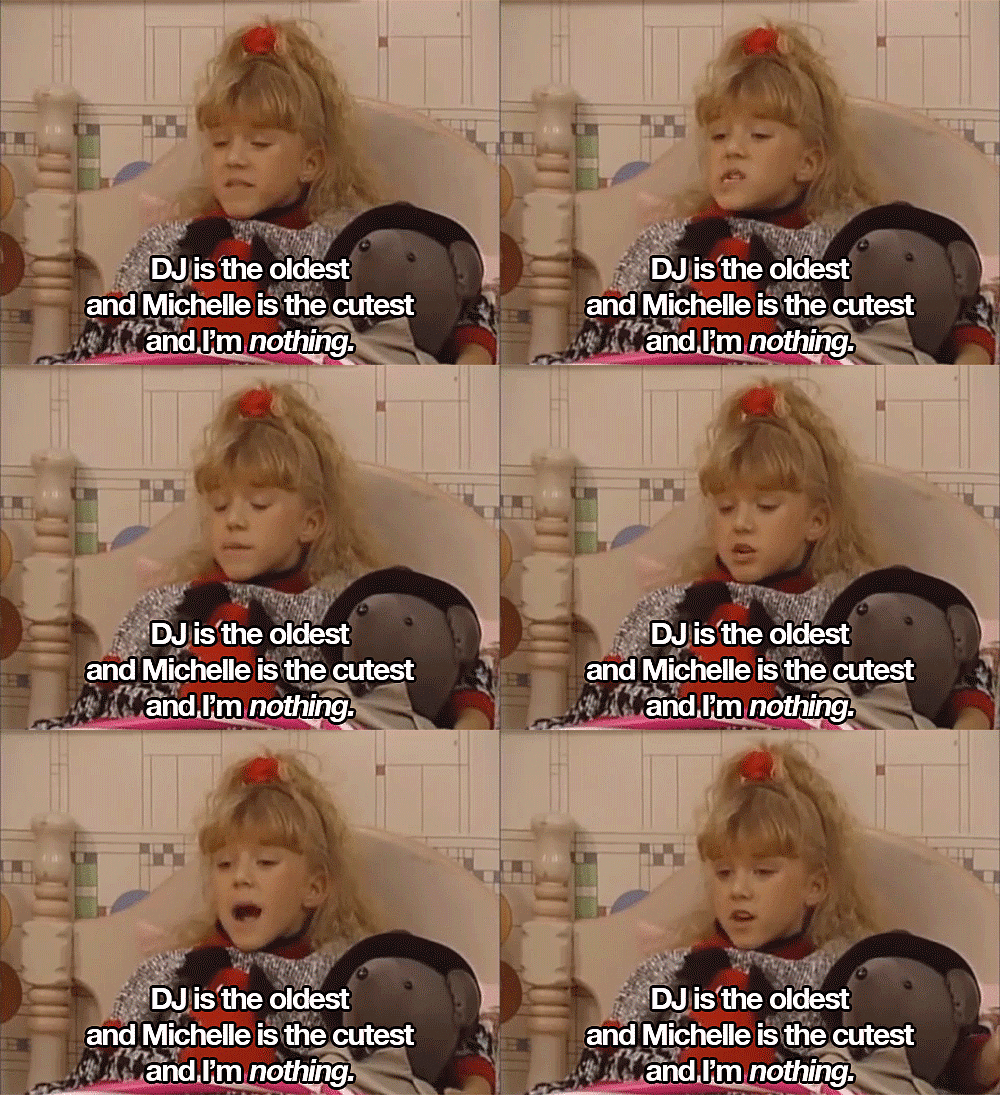
Image via Buzzfeed
Although middle child syndrome sounds bad, some researchers suggest that being a middle child actually has some surprising advantages, like…
1. They're emotionally strong and less prone to be diagnosed with disorders like ADHD. Nothing they can't handle!
According to a 2013 study, researchers at Universidad Autónoma de Madrid found that middle children who lived with both biological parents were less likely to develop emotional disorders or be diagnosed with ADHD than their siblings.
**Why? They're constantly surrounded by family and siblings. The doctors determined that's a surefire way for them to stay healthy.**

Image via Giphy
2. Middles are risk-takers, often going against the grain to achieve what they want. Okay, maybe they're just rebellious.

Image via Photobucket
3. Diplomatic and self-aware, middles are good team players. They make very good listeners too!


Image via Giphy
4. When they're surrounded by older and younger siblings, middles have to constantly compete for attention and resources – which makes them good negotiators and peacemakers

Image via Blogspot
5. Highly devoted and faithful, middles are marriage material. Ahem, ahem…

Image via Giphy
6. Firstborns have always been labelled as the smartest in the family, but a research published earlier this year found that firstborns' IQs are only one point higher — a fairly negligible difference!
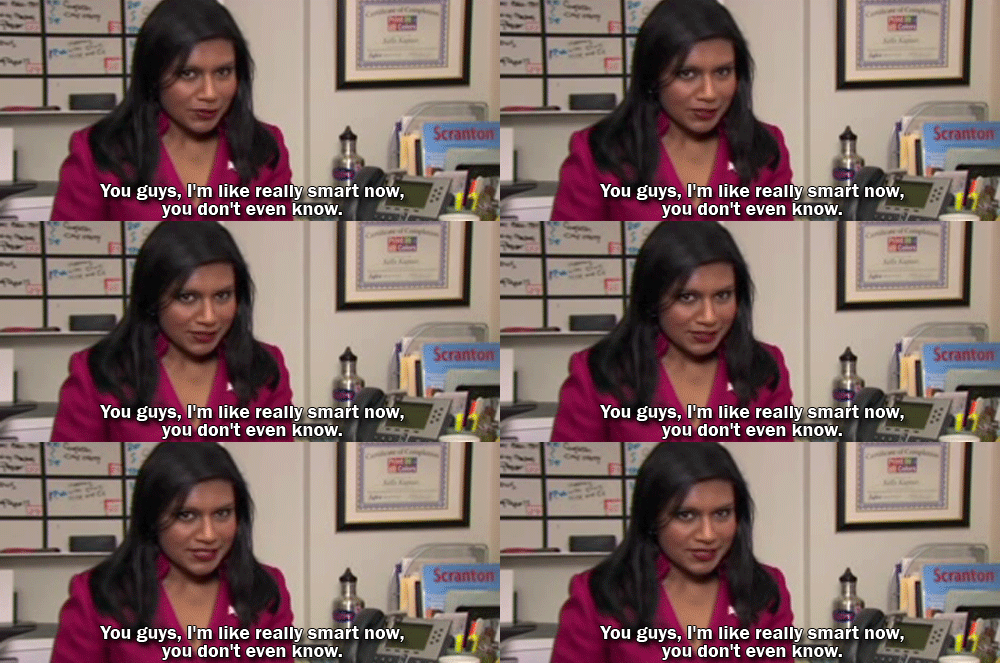
Image via Giphy
7. Because they have an older and younger sibling, middles essentially get to experience the best of both worlds

Image via Giphy
This means middle children experience the best of both worlds: **They learn from the wisdom of elders, while still acting as leaders to their younger siblings.** But unlike their siblings, who are often pigeonholed into their family roles, middle children have the fluidity to serve as both mentors to their younger siblings and mentees for their older ones.