
Here’s Why Schools Are Using Drones To Make STEM More Engaging
Learning to pilot a drone has many benefits.


 Cover image via
 Follow us on Instagram, TikTok, and WhatsApp for the latest stories and breaking news.
The unique capabilities of drone technology can serve as a powerful catalyst to attract students towards Science, Technology, Engineering, and Mathematics (STEM) disciplines
Science, Technology, and Innovation Minister Datuk Chang Lih Kang highlighted that adopting a more interactive, hands-on educational approach makes technical subjects far more accessible and actively encourages the younger generation to pursue scientific fields.
Speaking to journalists after officiating a new STEM Room at SJKT Ladang Katoyang today, 15 June, Chang lauded the facility as a prime example of successful cross-sector collaboration, according to Bernama.
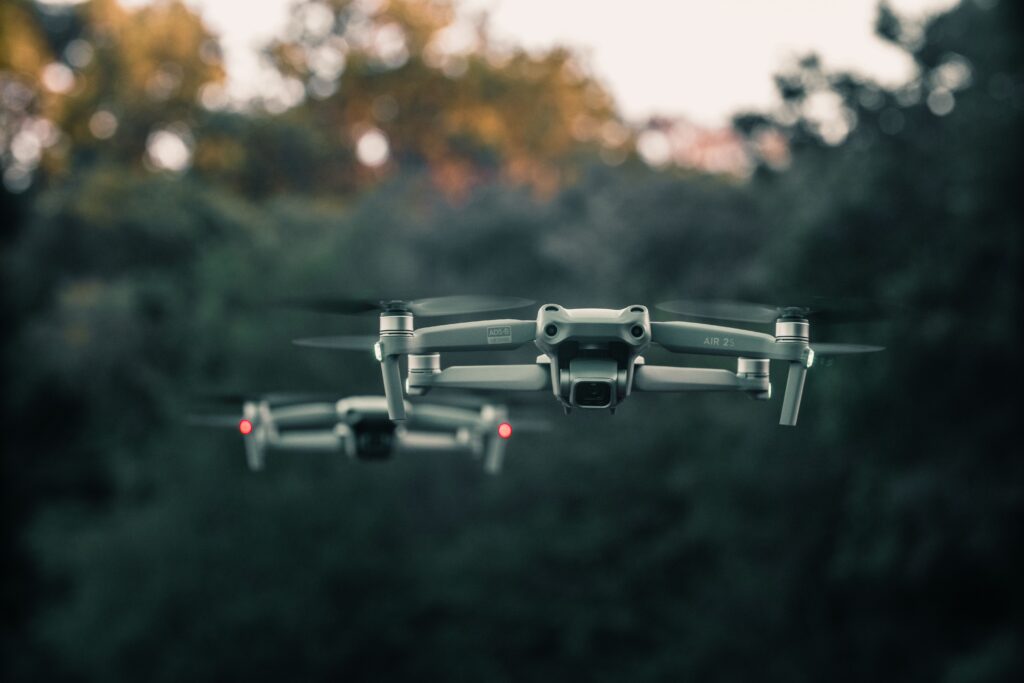
Image used for illustration purposes only.
Image via Simon/PexelsThe initiative unites key stakeholders, including corporate industry players, government agencies, local communities, and educational institutions, under a single goal
According to the minister, this collaborative framework creates a reproducible blueprint to nurture talents across STEM, STEAM (adding Arts), and STREAM (incorporating Reading and Writing) pathways from an early age.
While many people view drones merely as entertainment gadgets, their operational deployment requires a range of advanced technical skills.
Students engaging with these aerial vehicles inherently develop competencies in software coding, artificial intelligence (AI), structural engineering, and complex data analysis.
The practical integration of drone rooms in schools allows youth to witness firsthand how modern technology solves real-world challenges
These platforms demonstrate the use of automated applications across critical sectors, ranging from smart agriculture and emergency search-and-rescue operations to national disaster management and next-generation air transportation logistics.
Early exposure to drone technology remains crucial in preparing youth for rapid industrial shifts, as the sector will require a significantly larger skilled workforce.
This specialised educational pipeline ultimately paves the way for lucrative, high-income professional careers in a booming global market.
