
This Chinese Car Brand Is Removing The Most Annoying Car Feature & We Totally Agree
As market leaders, they are expected to set the trend moving forward.


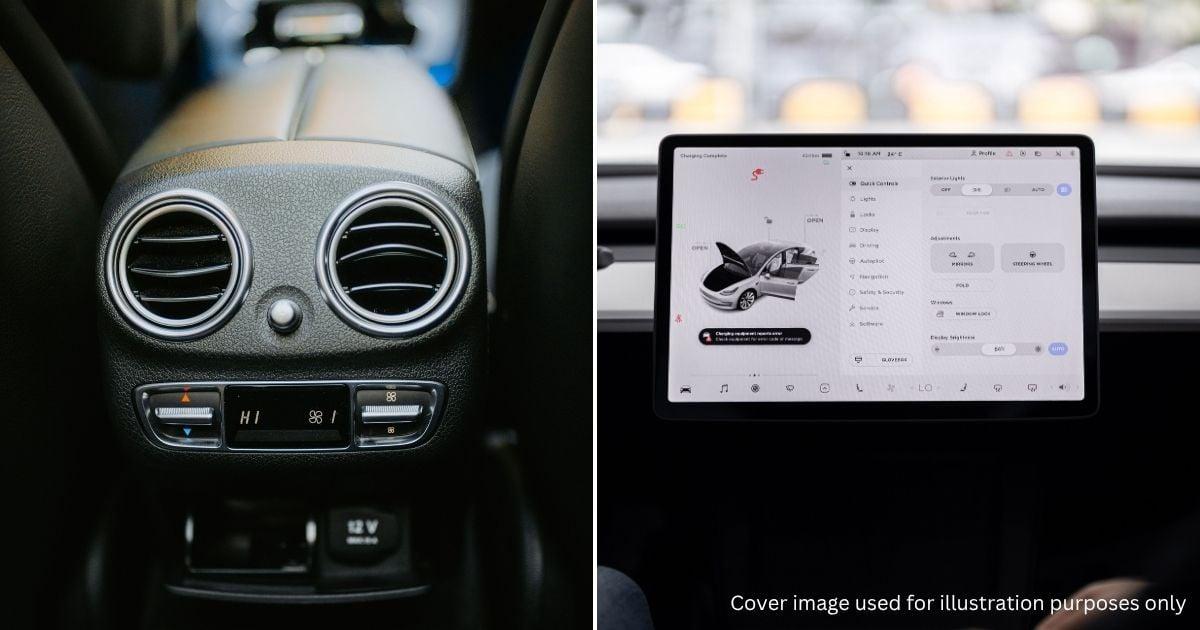 Cover image via
 Follow us on Instagram, TikTok, and WhatsApp for the latest stories and breaking news.
Chinese electric vehicle manufacturer Leapmotor has indicated that physical tactile buttons, switches, and toggles are on the verge of a significant comeback in cars
According to a report, this shift comes as China's expanding army of automotive exporters increasingly tailors cabin designs to satisfy the distinct preferences of international buyers.
The trend away from entirely digital, featureless cockpits was highlighted by Frederik Dallmeyer, Lead Exterior Designer at Leapmotor International.
According to Dallmeyer, global consumer feedback is driving a profound rethink of screen-heavy cabin layouts, in which vital vehicle adjustments are traditionally buried deep within a central infotainment screen.
When we reviewed the Leapmotor B10 and C10, we found that the physical controls available in the B10 made it more intuitive and approachable for users of all age groups. While the C10's interior was undoubtedly cleaner and seamless, the screen-heavy controls made it less accessible, especially while driving.
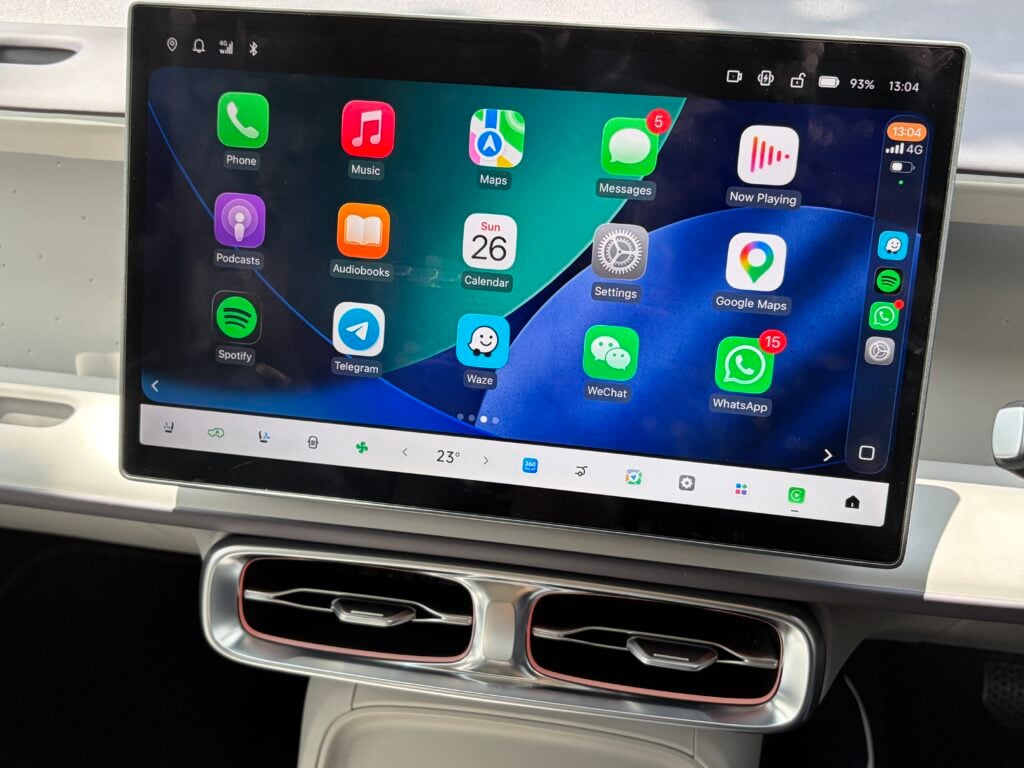
Leapmotor B10 centre console.
Image via Syazwan Bahri/SAYSWhile a definitive timeline remains unconfirmed, Dallmeyer suggested that easy-access physical functionality is slated to make a formal return in Leapmotor's next-generation vehicle line-up
For drivers who prefer immediate, tactile controls, the change marks a welcoming evolution from the current industry standard.
Currently, Leapmotor has implemented digital workarounds, such as software shortcuts on the central display, to help drivers quickly navigate to essential operations like adjusting side mirrors. However, future platforms are highly likely to integrate dedicated physical hardware.
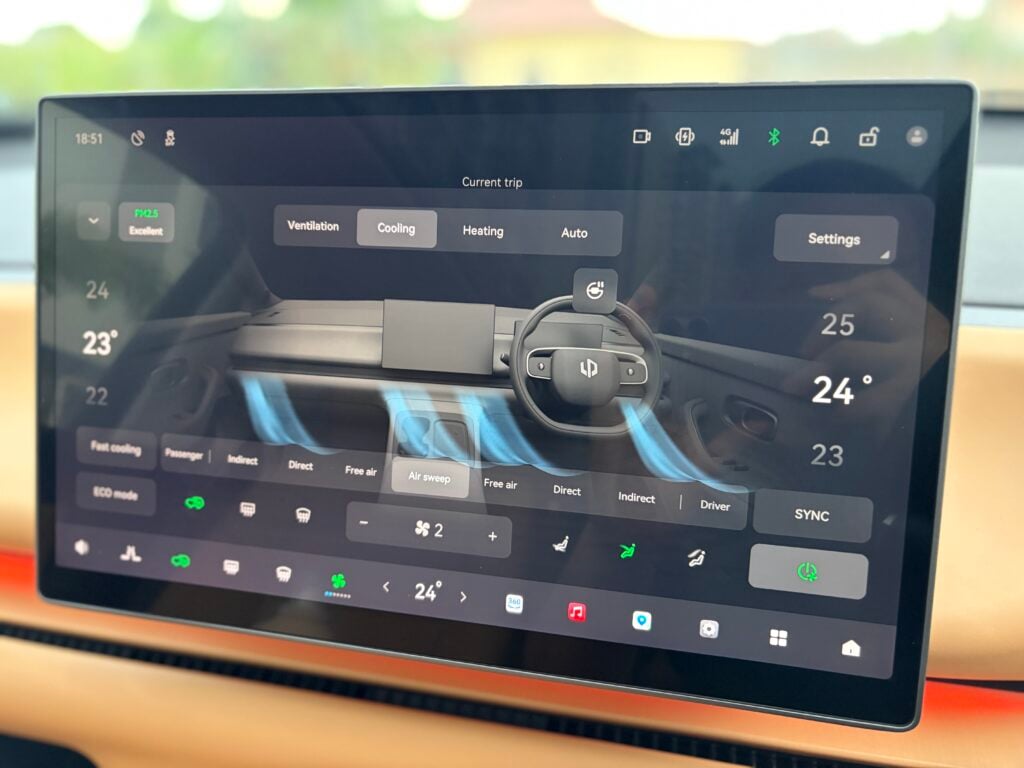
Leapmotor C10 climate controls are hidden in the menus.
Image via Syazwan Bahri/SAYS"I can't be concrete about it. But if the tastes of the market dictate that buttons are a must-have, then yes, but let's see," Dallmeyer explained.
"My personal preference is that I like to also have quick access to things. So yeah, I think that's something that will be worked on."
For years, the global automotive sector operated under the assumption that China's massive domestic preference for expansive touchscreen interfaces would inevitably strong-arm international markets into accepting identical minimalist cabin aesthetics, given the sheer scale of China's export machine
This assumption is being directly challenged by current trade realities, particularly as China has now established itself as the leading country of origin for vehicles imported into highly competitive foreign markets like Malaysia.
The depth of this market penetration is substantial, as an estimated 8.92% of all new vehicle registrations occurred in the first half of 2026, according to Paul Tan. This is a massive leap from just 0.08% in 2022, driven by high-tech features, competitive pricing, and the rapid adoption of electric and premium vehicles.
Dallmeyer suggested that a one-size-fits-all interior strategy may no longer be necessary to sustain this global momentum
The brand has not ruled out the development of individual, market-specific cabin treatments to differentiate vehicles bound for domestic use from those meant for global export.
There are also growing indications that consumer tastes within China itself are rapidly changing, with local buyers beginning to rediscover and appreciate the tactile reliability of physical dashboard switches amid a fluid automotive landscape.
