
Rumour Debunked: Why The PlayStation 6 Is Still Firmly On Track For A 2027 Launch
Here are five key facts why the console will possibly launch next year.


 Cover image via
 Follow us on Instagram, TikTok, and WhatsApp for the latest stories and breaking news.
While the current PlayStation 5 generation still has plenty of life left in it, the speculation surrounding its successor is gathering pace
Recent industry chatter sparked widespread concern among the gaming community that the next-generation PlayStation 6 (PS6) could face severe manufacturing roadblocks, potentially pushing its commercial launch back as far as 2028 or 2029.
However, several reports and industry insiders suggest the console may still arrive on schedule.
Here are five key points that challenge the delay rumours:
1. The targeted launch window remains firmly set for the 2027 holiday season
A prominent hardware insider remains confident that Sony's internal roadmap targets a Holiday 2027 release window, keeping the next generation of gaming firmly on track.
2. The delay rumours stem from concerns over AI-driven demand and RAM price spikes
Much of the speculation followed comments in the latest annual report by the Embracer Group, which highlighted challenges facing the global technology sector, including rising random-access memory (RAM) prices and volatile international shipping tariffs.
For the everyday consumer, this memory crisis is being heavily driven by the ongoing artificial intelligence infrastructure boom. Massive AI data centres are aggressively buying up global semiconductor production capacities, causing the cost of fast memory chips to climb dramatically.
Because of these supply-chain pressures, several market analysts projected that Sony might delay the PS6 to avoid paying inflated component manufacturing costs at launch.
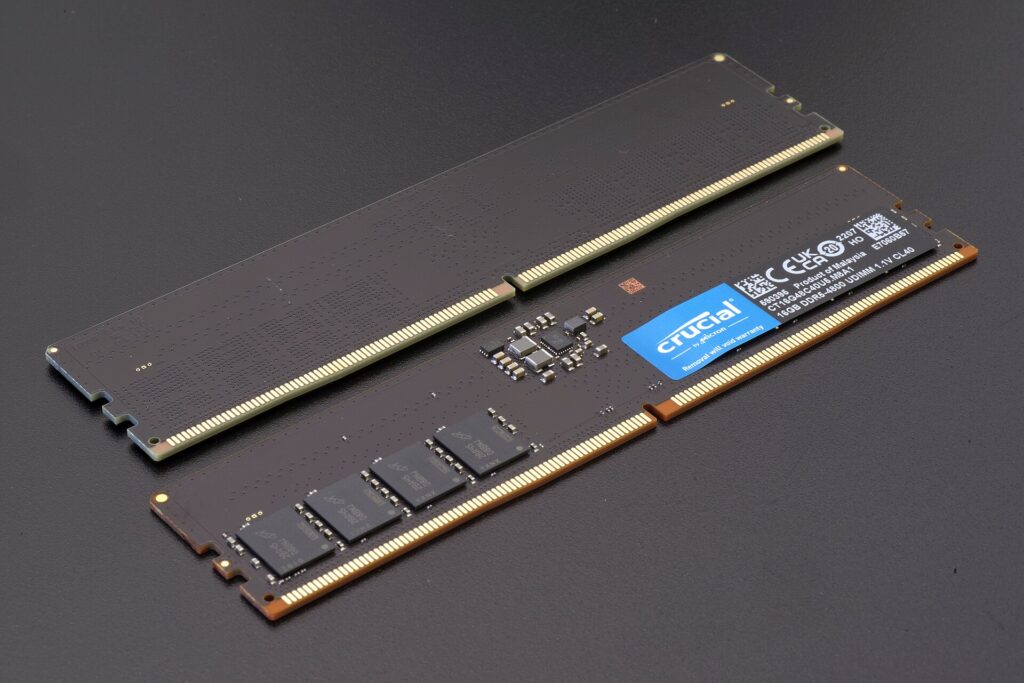
DDR5 RAM sticks.
Image via Smial (talk)/Wikipedia3. A respected hardware insider swiftly struck down the delay claims
These next-gen delay fears were swiftly dampened on the NeoGAF forums by prominent AMD hardware leaker KeplerL2, who has a highly reliable track record for semiconductor leaks.
Responding directly to a thread discussing the rumoured multi-year setback, the insider posted a simple, definitive reaction: an animated GIF of Danny DeVito shaking his head and flatly saying "Nope".
KeplerL2 has consistently maintained that the console is not going to miss its targeted launch timeline, effectively breaking the momentum of the delay narrative and reassuring eager players.

4. Locked-in supply contracts make production delay financially absurd
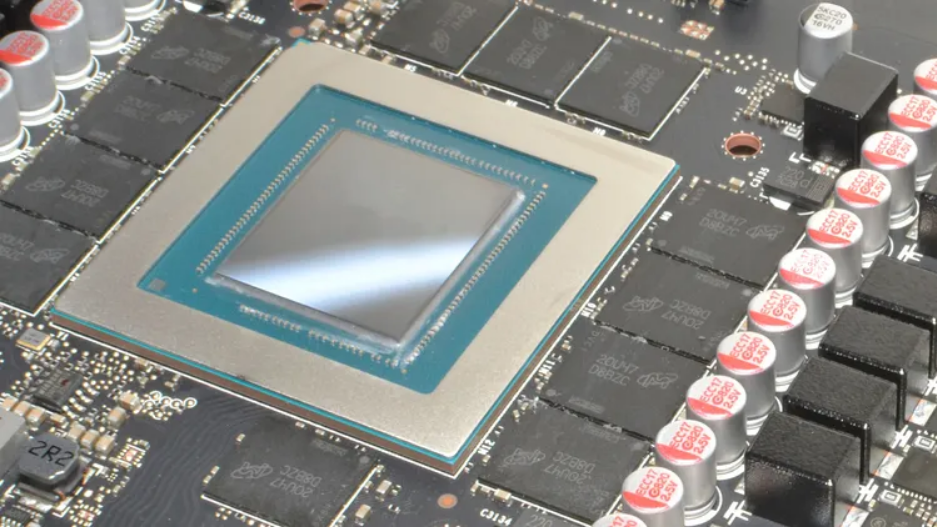
From a corporate standpoint, halting a console when its internal hardware development is essentially finalised makes no economic sense, according to NeoGAF user Bojji. They claimed Sony has already finalised the design of the PS6's System-on-Chip (SoC) and locked in rigid production contracts with chip-making giant TSMC for the production of the console's main processors (APUs).
Advance supply deals for next-generation GDDR7 memory are likely already penned with memory makers. Having already poured hundreds of millions of dollars into research and development, and with baseline PS5 sales naturally beginning to slow down, holding back the machine would yield zero financial return while leaving Sony entirely vulnerable to competitive moves from rivals.
5. Sony will leverage a tactical 'Loss-Leader' strategy to capture market share
Console manufacturers traditionally leverage a 'loss-leader' strategy at launch, meaning they sell the initial hardware at a loss to build a massive, loyal user base early on.
Even if expensive GDDR7 memory chips force Sony to take a steeper loss on hardware margins initially, launching on time in late 2027 allows it to capture a massive early next-gen install base.
Once global component prices inevitably drop and stabilise closer to 2030, Sony can introduce standard mid-generation price cuts to expand its market share. Releasing the console years late would achieve nothing but missed revenue and force Sony to start its next-gen ecosystem completely from scratch under an equally unpredictable future economy.
