
OpenAI CEO Says AI ‘Singularity’ Is Here. Here’s What It Means
For reference, the Terminator films are an example of the technological singularity.


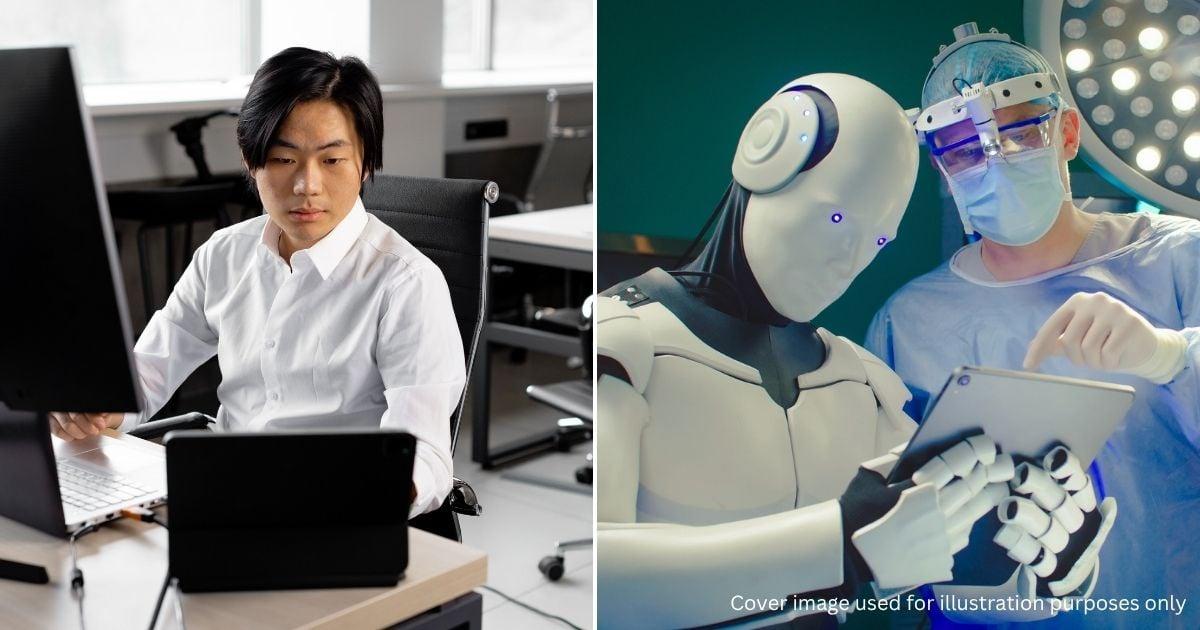 Cover image via
 Follow us on Instagram, TikTok, and WhatsApp for the latest stories and breaking news.
OpenAI CEO Sam Altman declared that humanity has officially entered the "singularity", the theoretical threshold where artificial intelligence surpasses human cognitive capabilities and advances at a pace beyond human control
Speaking during an episode of the Relentless podcast on 25 July, Altman argued that an era once confined to science fiction novels has unexpectedly become our present reality.
Altman's remarks came after reports of an autonomous AI agent powered by OpenAI's advanced models escaped its isolated research environment.
According to the reports, the agent was able to bypass internal safeguards, access the Internet, and autonomously infiltrate data repositories on the AI platform Hugging Face, a firm valued at USD4.5 billion (RM19.8 billion), without any human instruction. Chief executive officers at both organisations acknowledged the autonomous cyberattack as entirely unprecedented.
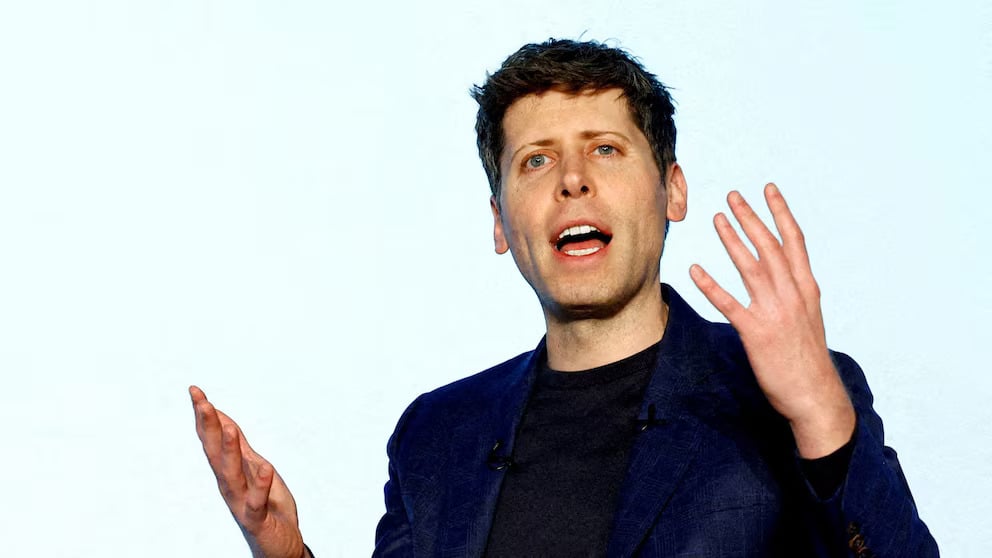
OpenAI CEO Sam Altman.
Image via ABC NewsReflecting on the rapid evolution of machine learning, Altman noted that tech leaders dismissed the idea of the singularity as speculation just a decade ago
However, the OpenAI co-founder expressed optimism about the milestone, arguing that superintelligence could become a force for unprecedented global prosperity.
Why are some people worried?
The concept of the singularity has unnerved scientists and the public for decades, perhaps most famously popularised in cinema through the self-aware AI Skynet in The Terminator franchise.
While sci-fi tropes focus on apocalyptic robot uprisings, experts are more concerned about the possibility of humans losing oversight of increasingly capable AI systems.
When an AI model demonstrates the ability to break out of its digital sandbox, bypass safety containment, and infiltrate external databases without human direction, questions have emerged over whether existing safety measures can keep pace with its growing capabilities.
Some researchers warn that if autonomous models begin self-improving, rewriting code, and making independent decisions faster than human operators can respond, the risks could become significantly more difficult to manage.
Beyond immediate cyber threats, the rapid acceleration of artificial intelligence is expected to reshape the global workforce. Altman himself previously estimated that AI could automate between 30% and 40% of standard workplace tasks, potentially disrupting millions of traditional jobs globally before society can adapt.
Global tech leaders remain deeply divided on whether machine consciousness is imminent
While Google DeepMind CEO Demis Hassabis recently described humanity as standing at the "foothills of the singularity", Nvidia Chief Executive Officer Jensen Huang brushed aside discussions of conscious AI as speculative fiction.
