
Study Says Driving A Manual Car Can Keep Your Brain Active And Lower Dementia Risk
Driving a manual car keeps your brain sharp as you grow older.


 Cover image via
 Follow us on Instagram, TikTok, and WhatsApp for the latest stories and breaking news.
Automotive enthusiasts have long defended manual transmissions for the pure engagement they offer, but new research suggests there may also be cognitive benefits to sticking with the traditional three-pedal setup
A recent study highlighted by Tohoku University's Institute of Development, Aging, and Cancer (IDAC) on 1 July found that operating a manual gearbox actively stimulates the prefrontal cortex in ways that driving an automatic vehicle does not.
The research, led by renowned professor Ryuta Kawashima, best known for developing the science behind Nintendo's popular Brain Age puzzle game series, highlights how the mechanical coordination of manual driving serves as an effective cognitive workout.

Ryuta Kawashima in 2007, with the Brain Training game series for Nintendo DS.
Image via IGN Southeast AsiaKawashima explained that the physical sequence required to operate a manual car demands a high level of continuous neurological involvement
A driver must simultaneously modulate the clutch pedal, select the optimal gear lever position, and regulate the accelerator while maintaining absolute spatial awareness of surrounding traffic, according to Best Car Web.
Because this intricate process forces the brain to constantly judge shifting traffic speeds and execute split-second physical reactions, it intensely lights up the prefrontal, the critical region responsible for working memory, executive decision-making, and sustained attention.
The study stresses that managing these complex inputs daily provides a vital, low-grade mental workout that preserves cognitive function and helps stave off age-related dementia. Conversely, driving an automatic vehicle reduces the cognitive workload to a passive level, causing ageing drivers to miss out on daily neural stimulation.
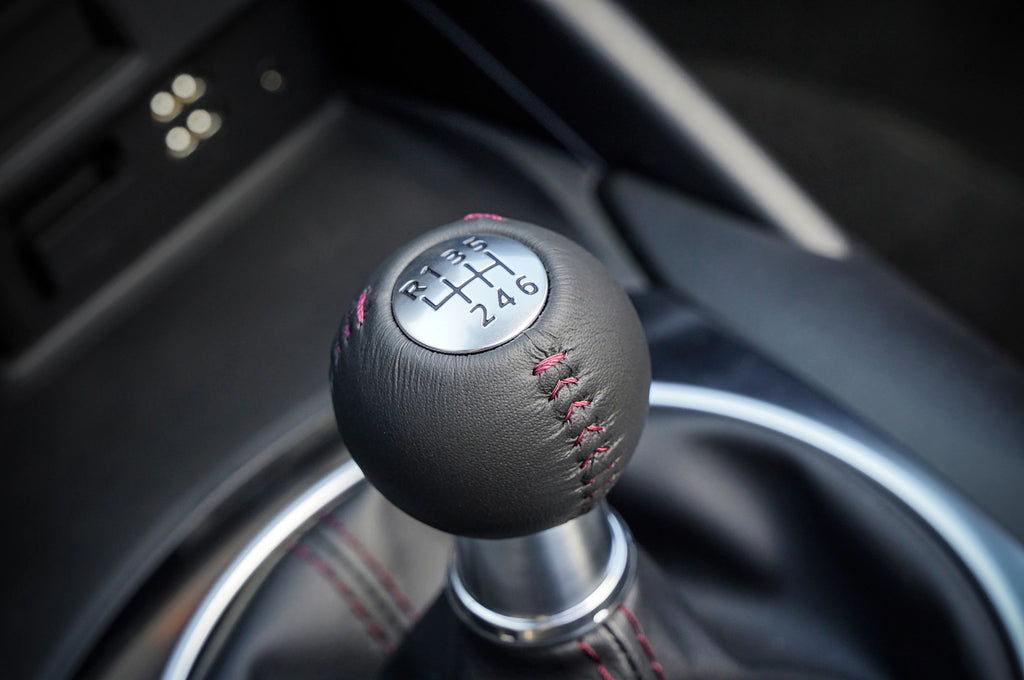
Despite these clear neurological benefits, the global availability of manual gearboxes continues to plummet at an alarming rate
In Japan, where the university study was conducted, manual vehicles have turned into an absolute rarity; they now account for a mere 1% to 2% of all new car sales. However, European countries like Spain and Italy maintain substantial manual transmission take-rates of 41% and 48%, respectively.
The findings arrive at a critical moment for Malaysian drivers, who face an increasingly automated domestic car market. While three-pedal options remain available in Malaysia, choices are largely restricted to either entry-level budget models or costly, high-performance sports cars, such as specialised hot hatches.
As the local automotive market shifts towards convenience and electrification, looking for a brand-new manual vehicle requires meticulous searching.
