
Is WFH Back On The Table? Here’s What PM Anwar Said Exactly
The war in the Middle East has escalated significantly, and Malaysia is feeling the pressure.


 Cover image via Anwar Ibrahim & Seth Akmal/NurPhoto/AFP
Follow us on Instagram, TikTok, and WhatsApp for the latest stories and breaking news.
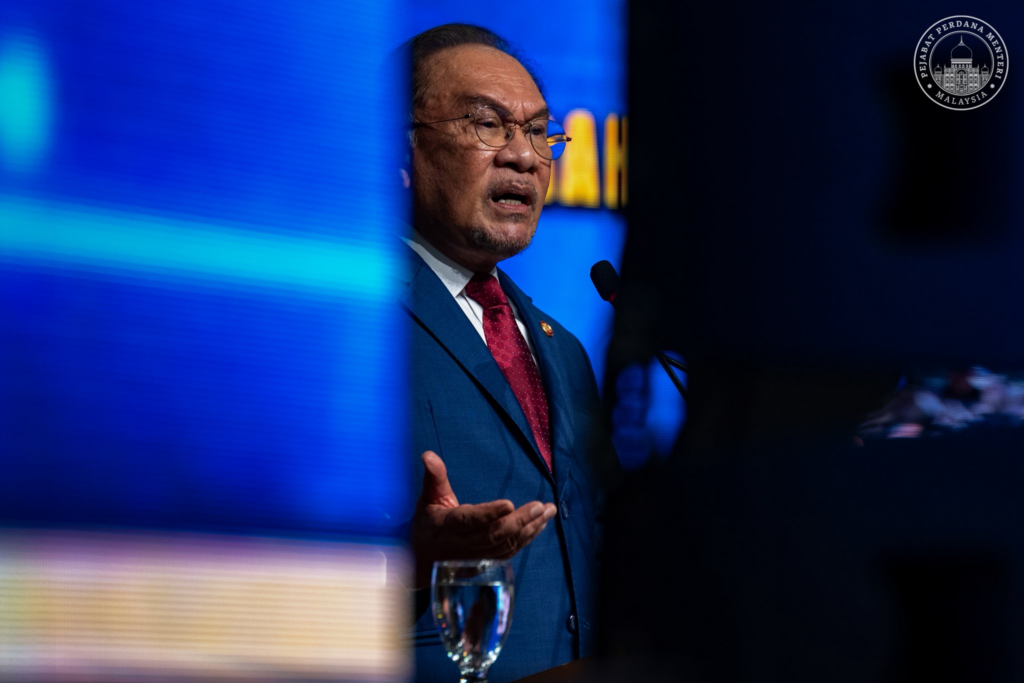
Prime Minister Datuk Seri Anwar Ibrahim has raised the possibility of flexible working arrangements, including working from home, for civil servants in a special televised address yesterday, 26 March 2026
The move is part of the government's response to the ongoing conflict in the Middle East, which has disrupted oil and gas supplies through the Strait of Hormuz, pushed up fuel and food prices globally, and created direct economic pressure on Malaysia.
Malaysia even had to negotiate the release of a Malaysian oil tanker and its crew caught in the region. Anwar confirmed that Iranian authorities have since allowed Malaysian vessels to pass through the Strait, and that the tanker and crew are in the process of being released.
The WFH proposal is one of several measures being considered to reduce fuel consumption and ease cost pressures on the country.
What exactly did Anwar say?
In his address, Anwar said the government is working on "more flexible working rules such as working from home" for civil servants, to be rolled out "gradually and selectively".
He also called on the private sector to follow suit, noting that some companies and banks already have such arrangements in place.
Here's the direct quote from his speech:
"Other measures are being considered, including the decision to set more flexible working rules, such as working from home. Civil servants will gradually and selectively be able to work from home, and I believe besides the public sector, we also urge the private sector to implement what has been practised by several companies and banks all this while."
So who would this apply to?
So far, this applies mostly to non-critical government sectors.
According to an earlier statement by Communications Minister Datuk Fahmi Fadzil, public frontline services, including healthcare, enforcement, and education, will not be included in any WFH arrangement, reported The Vibes.
For the private sector, there's no mandate, just a nudge from the prime minister.
If your company already has a hybrid or WFH policy, the government is effectively signalling that it supports it. If not, employers are not legally required to implement anything at this point.
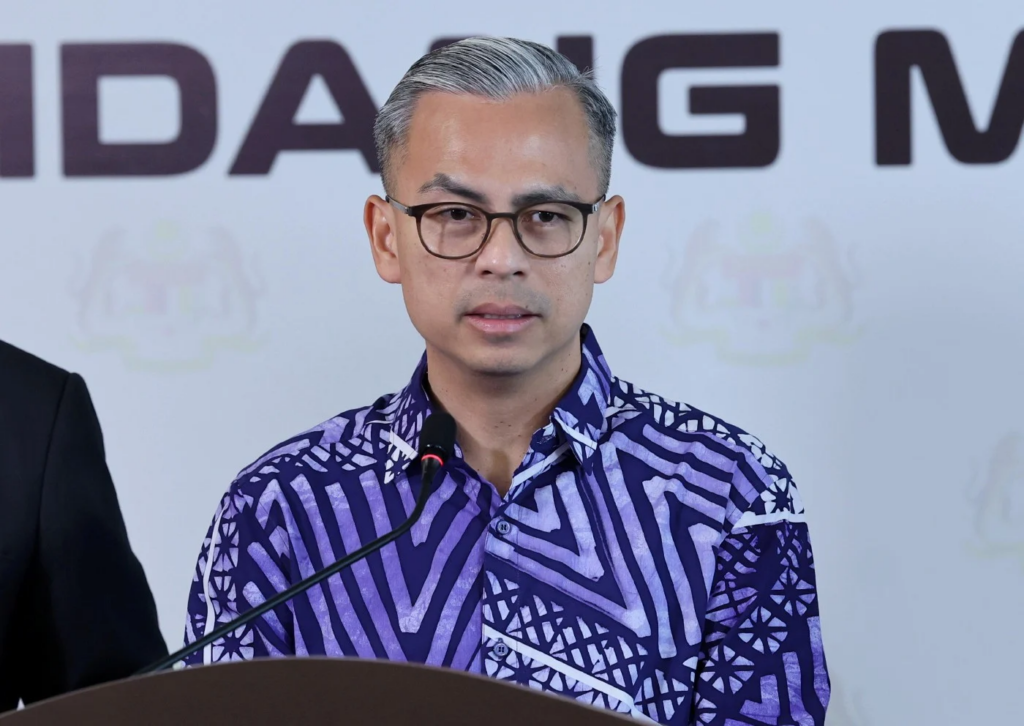
Communications Minister Datuk Fahmi Fadzil.
Image via New Straits TimesWhy WFH specifically? What does it have to do with fuel costs?
The logic is that fewer people commuting means less fuel consumed.
With Malaysia facing potential fuel price hikes due to global supply disruptions, reducing demand where possible is one lever the government can pull. It also reduces operational costs for government buildings.
Malaysia is not alone in this approach.
Myanmar, Thailand, and Indonesia have introduced WFH policies for civil servants in 2026 for the same reason: to cut energy and fuel consumption amid the ongoing regional crisis. Sri Lanka has taken it a step further, instituting an indefinite four-day workweek.

What else is the government doing?
WFH is one piece of a larger set of measures announced in the 26 March address.
Among other steps, RON95 subsidies will be maintained, but monthly allocations of subsidised fuel are being reduced from 300 litres to 200 litres.
All government agencies, GLCs, and GLICs have been ordered not to hold Hari Raya open houses this year, and ministers have been told to limit overseas travel.
A special committee will be formed to study the conflict's impact on the national economy, and petroleum product supplies are sufficient at least until May 2026.
Anwar is also visiting Indonesian President Prabowo Subianto to align both countries' positions on the crisis and strengthen regional coordination.
In his address, Anwar also stressed that despite global pressures, Malaysia remains an active investment destination and that the government's priority is maintaining economic momentum while avoiding wasteful spending.
What happens next?
No start date has been announced for the WFH rollout. Implementation details are expected to be confirmed following discussions at the National Economic Action Council (MTEN).
