
How Much Detergent Should You Use? Is More Really Better?
Here's how much detergent you should actually use.


 Cover image via
 Follow us on Instagram, TikTok, and WhatsApp for the latest stories and breaking news.
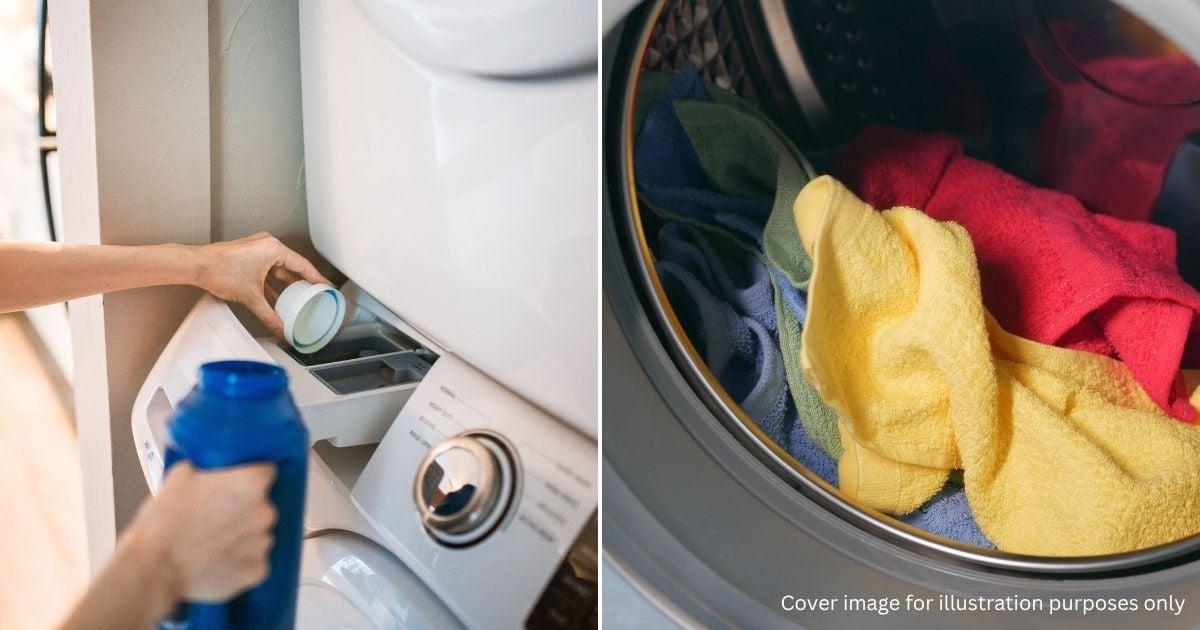
Have you ever poured a massive capful of laundry detergent into your washing machine, assuming your dirty clothes needed extra soapy power?
You are definitely not alone. Most of us grew up thinking that more suds automatically meant cleaner, fresher clothes.
However, dumping half a bottle of liquid detergent or a giant scoop of powder into your wash cycle can actually damage your favourite clothes and cause problems for your washing machine.

Image used for illustration purposes only.
Image via Towfiqu bhabuiya/PexelsThe truth is that modern laundry detergents are concentrated powerhouses
A laundry expert revealed that you do not need a lot. For a standard small load of 2 to 3kg, you only need about one tablespoon, or roughly 15mm, of liquid or powder soap.
A medium load of 4 to 6kg requires about two tablespoons, while a heavy 7kg load only needs three tablespoons at most.

Image used for illustration purposes only.
Image via RDNE Stock Project/PexelsIf you are using detergent pods, one pod is generally enough regular wash, and you only ever need a second pod if you are washing a massive pile of heavy bedding or muddy sports gear.
When you add too much detergent, your washing machine creates a thick mountain of suds that actually works against you
Washing machines clean garments by letting them rub against each other as they tumble through the water.
Excessive foam creates a soft cushion that stops this friction from happening, trapping dirt, sweat, and bacteria inside the soapy foam instead of washing them down the drain.
That trapped grime ends up landing right back onto your fabrics, leaving your clothes feeling sticky, scratchy, and dull.
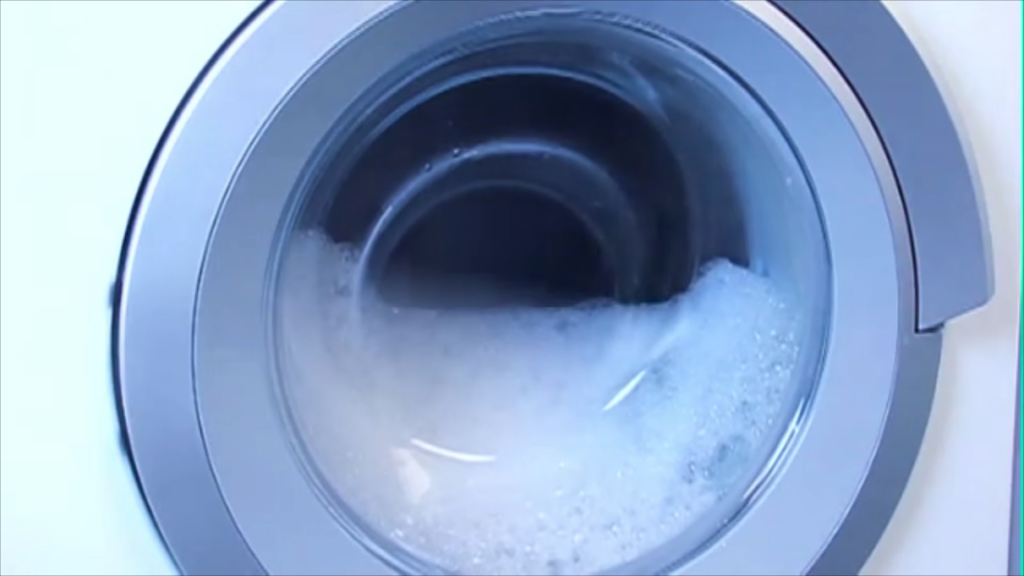
Image used for illustration purposes only.
Image via Wash Tech Repair (YouTube)To make matters worse, your washing machine only uses a set amount of water during its rinse cycle
If there is an excessive amount of soap sitting in the drum, the machine simply cannot rinse it all out.
That leftover detergent residue builds up over time, trapping moisture and causing that dreaded musty, sour smell on your freshly washed towels.
Inside the appliance itself, excess detergent creates a slimy, dark buildup that clogs internal sensors and damages drainage pipes, eventually leading to costly repair bills.
You also have to remember that those measuring lines printed inside detergent caps are often a clever trap
According to a report, manufacturers frequently design those lines to encourage you to use far more product than you actually need so that you run through the bottle and buy a new one twice as fast.
The next time you do a load of laundry, ignore those misleading cap lines, measure out a modest tablespoon or two, and let your machine do its job properly.
If your washing machine already smells sour or your towels feel stiff from years of over-soaping, you can easily flush out that old, stubborn buildup with a simple kitchen staple: cheap white vinegar
This guide explains that once a month, pour two cups of plain white distilled vinegar directly into the drum or the liquid dispenser drawer of your empty washing machine.
Run a full cycle on the hottest water setting available. The natural acetic acid in the vinegar safely dissolves the sticky soapy scum lining your tub, strips away trapped mineral deposits, and neutralises lingering bacterial odours without damaging the internal rubber seals.
By the time the cycle finishes, your machine will be completely reset, smell completely neutral, and be ready to wash your clothes far more efficiently.
