
Lost While Hiking? Here’s Why Experts Say You Should ‘STOP’
Whether you're a first-time hiker or a seasoned adventurer, safety should never be taken lightly.


 Cover image via
 Follow us on Instagram, TikTok, and WhatsApp for the latest stories and breaking news.
As more Malaysians embrace the outdoors and explore the country's many scenic hiking trails, authorities are, unfortunately, also seeing a worrying rise in hikers getting lost in forests and mountains
In fact, the Malaysia Fire and Rescue Department (JBPM) recently revealed that cases involving missing hikers have increased by almost 30% this year.
People often forget that while hiking offers the thrill of exploring nature, it also means being exposed to the elements and unpredictable terrain. Risks can include extreme heat, dehydration, lightning storms, flash floods, injuries from falls, and losing your way in dense jungle areas.
Whether you're a first-time hiker or a seasoned adventurer, safety should never be taken lightly.
JBPM director-general Datuk Seri Nor Hisham Mohammad said physical preparation and basic survival knowledge can make all the difference in preventing unwanted incidents, especially when venturing into unfamiliar terrain.
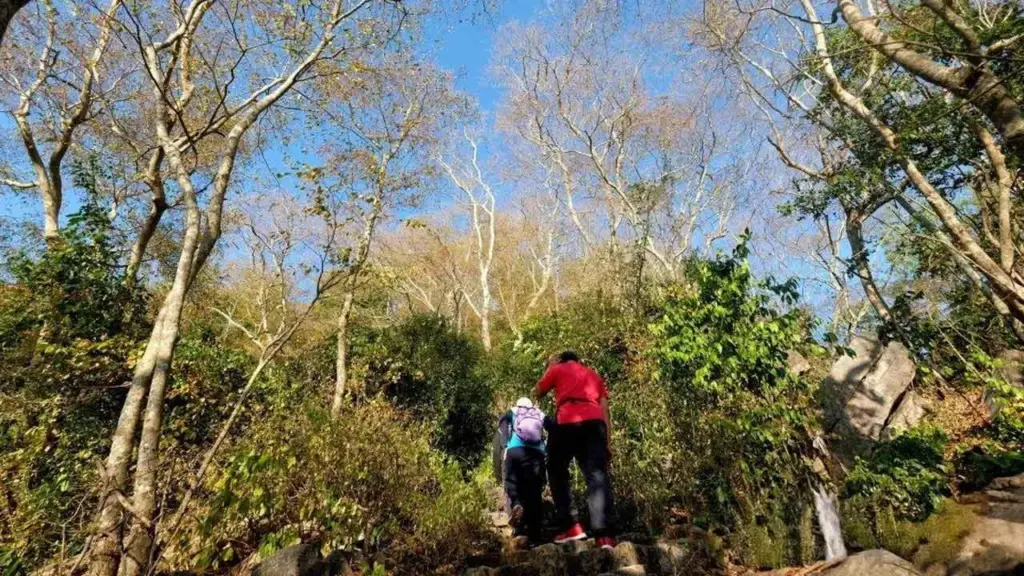
So, what should you do if you realise you're lost while hiking?
First of all, don't panic — remember to 'STOP'.
The first thing hikers should do is follow the 'STOP' formula — a basic jungle survival procedure that stands for Sit, Think, Observe, and Plan.
According to Sime Darby Property Berhad's Head of Property Security, Major Ir Hairulnizam Samuri, hikers should immediately stop moving once they realise they have gone astray.
"When you realise you have gone astray, stop walking and sit down immediately. If you continue walking, the probability of wandering deeper into the jungle increases significantly," he said while speaking on Bernama Radio's Safe Hiking, Meaningful Experiences programme.
He added that sitting down and calming oneself can help prevent panic and allow clearer thinking.
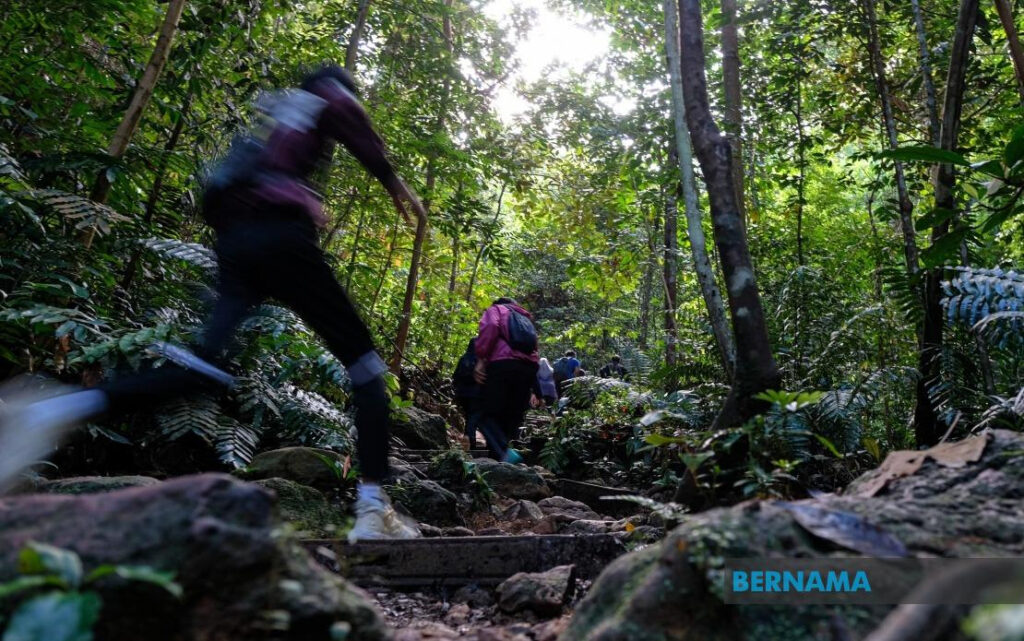
Think back to where you last knew your location
The next step, 'Think', involves mentally retracing your movements.
Hairulnizam said hikers should review the route they took, including the last trail markers they saw, the direction they were travelling in, and the surrounding terrain before they realised they were lost.
Doing so may help determine whether it is possible to safely retrace steps or identify where things went wrong.
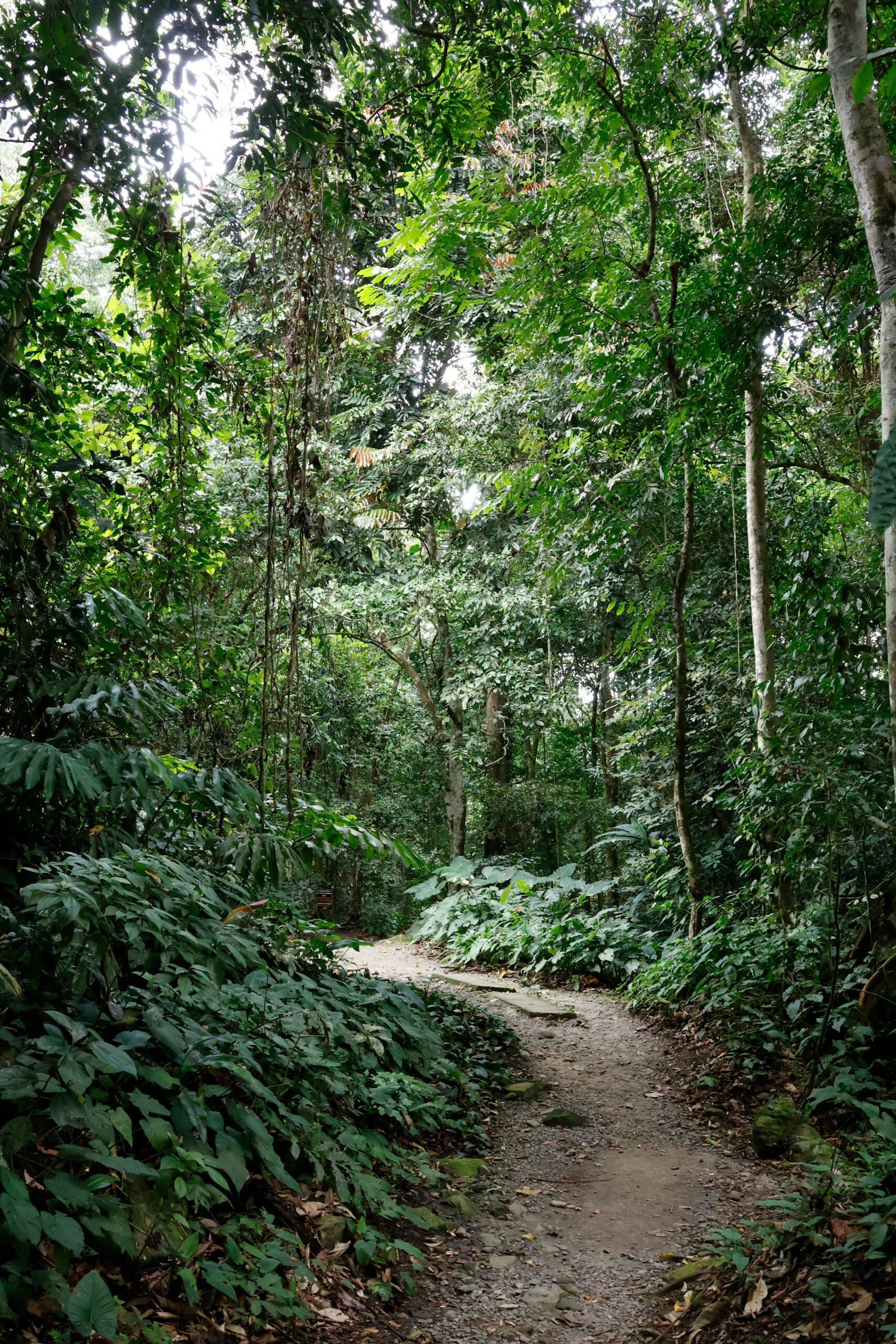
Observe your surroundings and assess your resources
The third step is to carefully observe your environment.
This means checking whether the area is safe and taking stock of any available resources, including food, water, medication, emergency equipment, and communication devices.
"When we know what resources we still have, we can make better and more realistic plans based on the current situation," Hairulnizam explained.
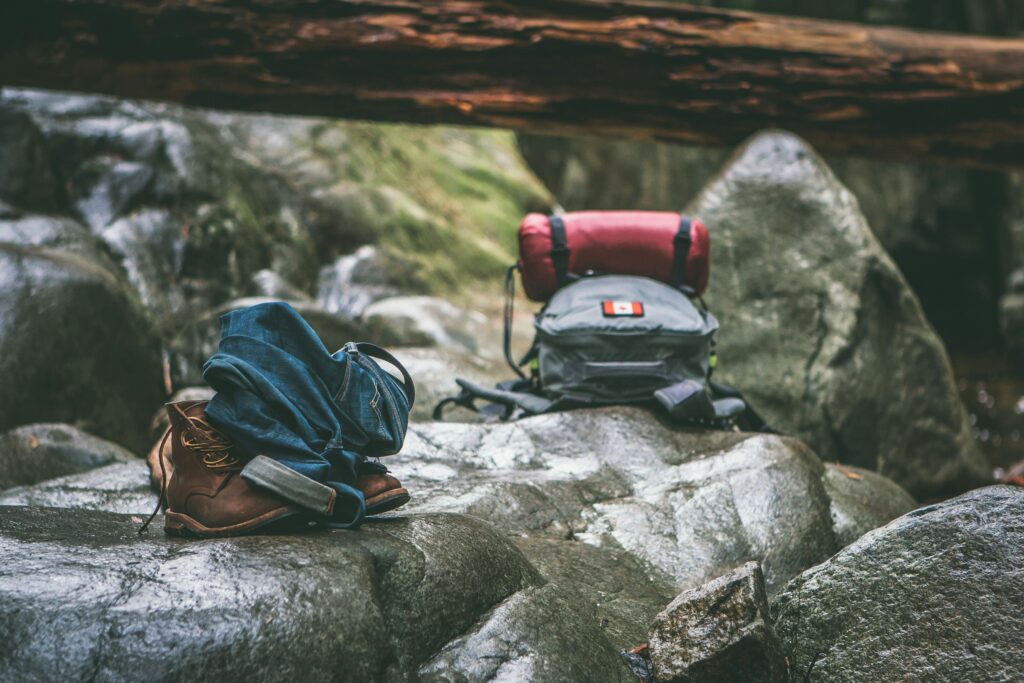
Plan your next move carefully
Once you've assessed the situation, it's time to make a plan.
Hairulnizam advised lost hikers to remain in a safe, open location where they are more likely to be spotted by search-and-rescue (SAR) teams.
He also recommended using brightly coloured items such as tent canvases or clothing to attract attention. Hikers can create SOS signs using rocks, branches, or other materials available nearby.
Other useful signalling methods include generating smoke or using reflective objects such as mirrors to catch sunlight.
For rescuers searching on foot, hikers can also leave clues such as arrow markers, snapped twigs, or markings on trees to help indicate their direction of travel.
Preparation is still your best defence
Beyond knowing what to do when things go wrong, proper preparation remains the best way to stay safe on the trail.
Before setting off, research your route, including its distance, elevation, terrain, difficulty level, and expected weather conditions. Make sure to pack sufficient food, water, and other essentials, and always let someone know where you're going and when you expect to return.
Hairulnizam said hikers should also carry basic emergency supplies, including a whistle, pocketknife, first-aid kit, lighter, as well as sufficient food and water.
"The jungle is never cruel to those who are prepared, but it can punish those who are complacent and take safety aspects lightly," he said.
