
Budget 2027: Who Is Asking For What, And Everything Malaysians Can Expect
From more cash aid and caregiver support to roads, flood mitigation, and AI incentives, here's what different groups want to see in Malaysia's next federal budget, and what the government has already signalled.


 Cover image via Chris Mouyiaris/Robert Harding Heritage/AFP (Image composite by Sadho Ram/SAYS)
Follow us on Instagram, TikTok, and WhatsApp for the latest stories and breaking news.
Budget season has begun, and the wish lists are already piling up
With Budget 2027 set to be tabled in Parliament on 9 October, ministries, state governments, members of parliament (MPs), industry groups, and welfare advocates are making their case for what they believe Malaysia needs next.
Some are asking for more money. Others want tax breaks, targeted subsidies, or entirely new policies.
At the same time, the government has begun signalling where it intends to put its money and attention, with living costs, higher-paying jobs, strategic industries, healthcare, ageing, and the care economy among the major issues likely to shape the budget.
So, who is asking for what, and what can Malaysians realistically expect from Budget 2027?
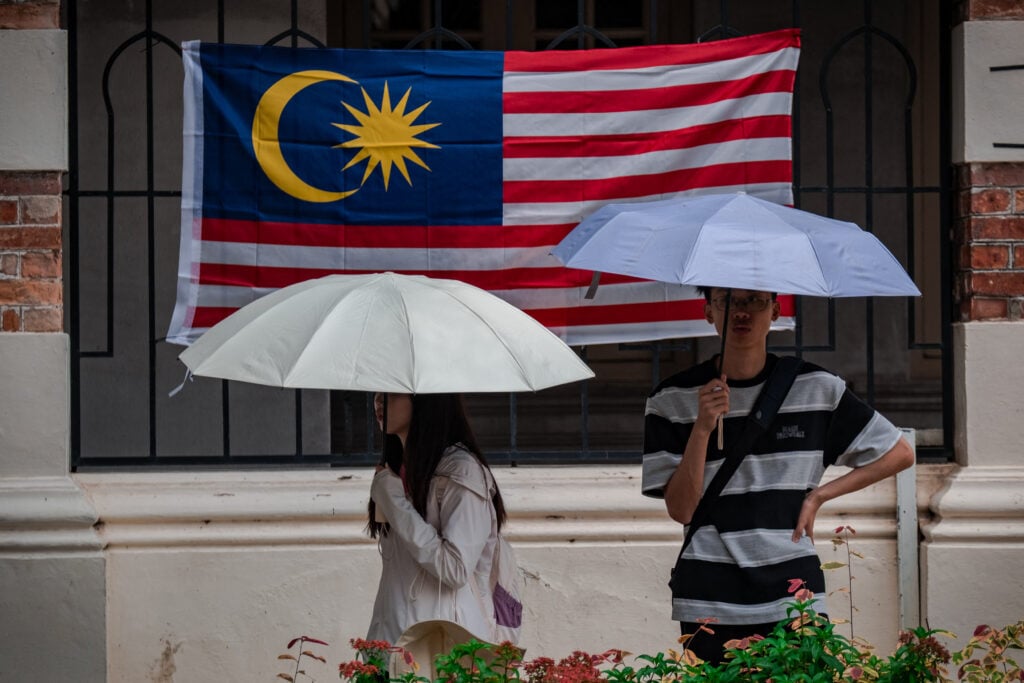
Who is asking for more welfare and caregiver support?
One of the clearest themes emerging ahead of Budget 2027 is the growing pressure around caregiving.
Women, Family, and Community Development Minister Datuk Seri Nancy Shukri has said her ministry is seeking an additional RM168 million, which would push its overall allocation towards RM4 billion.
The additional funding is intended for welfare programmes, including assistance under the Social Welfare Department (JKM), support for caregivers and efforts to expand the professional caregiving workforce.
JKM itself has also submitted a request to increase financial assistance for caregivers looking after bedridden patients.
The current assistance is capped at RM500 a month, with JKM Director-General Datuk Che Murad Sayang Ramjan saying a proposal has been submitted to the Ministry of Finance to review the rate.
The issue is becoming increasingly difficult to ignore as Malaysia moves towards becoming an aged society. The government has projected that 15% of the population could be aged 60 and above by 2030, putting greater pressure on families and the country's existing care infrastructure.
Budget 2027 is therefore expected to place greater emphasis on professionalising care work, supporting family caregivers, and expanding protection for informal workers.
Who is asking for better roads and infrastructure?
The Ministry of Works (KKR) is seeking a larger allocation than the RM9.6 billion it previously received, which accounted for around 10% of total Development Expenditure.
The ministry wants additional funding to accelerate road repairs, bridge maintenance and retrofitting, as well as green construction initiatives linked to the National Energy Transition Roadmap.
Meanwhile, Selangor and the Federal Territories are jointly seeking federal funding for a separate problem that has repeatedly affected the Klang Valley: flooding.
The proposed measures include work involving Batu Dam and Klang Gates Dam, additional flood retention ponds and more coordinated river dredging.
There are also calls for Budget 2027 to look beyond simply building large transport assets.
Public transport advocates have argued that funding should place greater emphasis on whether people can actually complete their journeys efficiently, including reliable feeder buses, better last-mile connectivity, and more consistent operating schedules.
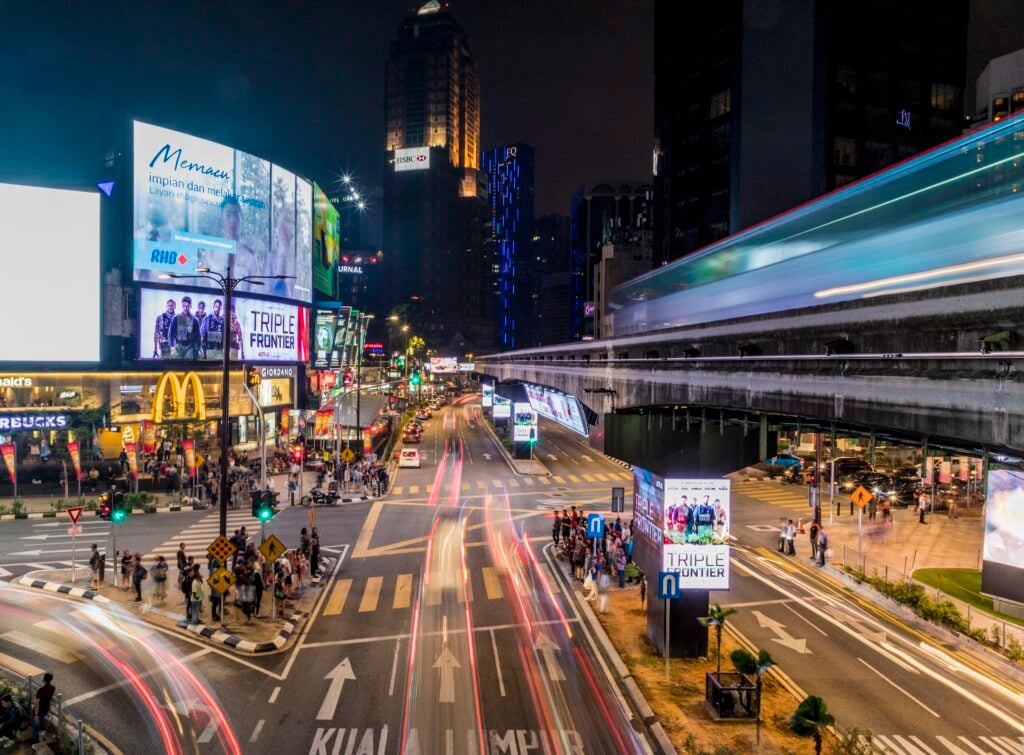
Who is asking for more money for Penang?
Bagan MP Lim Guan Eng is seeking RM1 billion in development projects for Penang.
He has also proposed establishing a Special Financial Zone in Ampang Jajar, Seberang Perai, as a potential new economic growth engine.
The proposal comes alongside his call for foreign contractors to be required to source at least 50% of their goods and services locally, which he argues would help protect Malaysian SMEs and reduce the risk of domestic businesses being sidelined.
What do Sabah industry players want?
Industry groups in Sabah are pushing for Budget 2027 to provide more targeted support for the state's Blue Economy.
Among their proposals are:
- A 10-year tax exemption for sustainable aquaculture investments
- Diesel fuel quotas of up to 500 litres a month for boat operators
- A specialised TVET academy focused on the maritime and Blue Economy sectors
The proposals reflect a broader push for Budget 2027 to recognise regional economic needs rather than applying the same policy approach across every state.
What do SMEs want from Budget 2027?
For SMEs, the argument is increasingly less about how large the government's grant pool is and more about whether the money actually produces results.
The SME Association of Malaysia has called for business support to be measured against concrete outcomes, including:
- AI and automation adoption
- TVET integration and apprenticeship uptake
- Export expansion
- Stronger supply-chain resilience
The idea is that Budget 2027 incentives should not simply be judged by how much money is announced, but by whether businesses become more productive and competitive.
That direction broadly aligns with the government's wider focus on moving Malaysia towards higher-value industries.
The Ministry of Finance's pre-budget consultations have identified areas including semiconductors, AI, digital services, and the energy transition as priorities for future growth.
Employer-led TVET apprenticeships are also expected to play a bigger role, particularly as the government tries to connect skills training more directly with higher-paying jobs.
What are Malaysians likely to get for help with living costs?
Living costs are expected to remain one of the biggest Budget 2027 issues.
The government has indicated that targeted assistance could be expanded, including through programmes such as Sumbangan Asas Rahmah (SARA), while Jualan Rahmah initiatives may also receive further support.
The pressure has become more acute amid concerns over global crude oil prices and supply-chain disruptions.
The Treasury has warned that Malaysia's fuel subsidy bill could reach RM40 billion this year, creating further pressure to ensure subsidies are targeted more effectively.
The government's direction is to redirect savings from targeted subsidies, including BUDI95, BUDI Diesel, and targeted electricity subsidies, towards programmes that provide more direct support to households.
That could mean more emphasis on cash assistance and affordable essential goods rather than blanket subsidies.
The Ministry of Finance is also asking the public where household pressure is being felt most heavily, including across food, housing, transport, healthcare, education, and childcare.
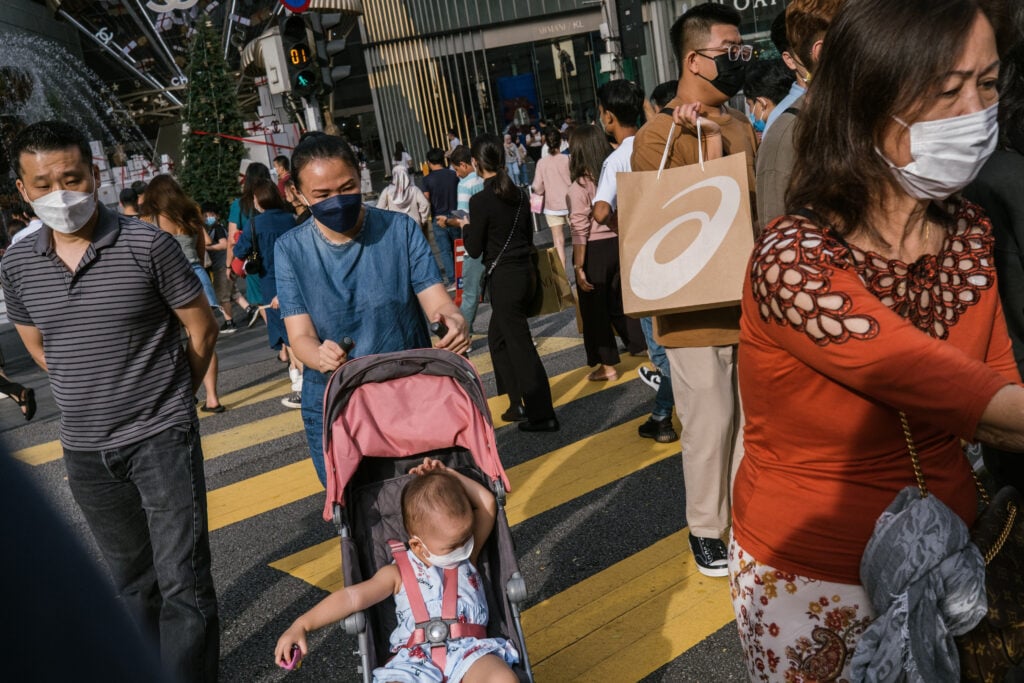
What else is the government asking Malaysians about?
The pre-budget consultation is not only about collecting complaints.
The government is also seeking views on how Budget 2027 should help families move into better-paying jobs, how caregivers should be supported, and how public money can be used to strengthen local businesses.
Among the questions being explored are how government procurement and Government-Linked Investment Companies can support local innovators, as well as what incentives would help SMEs adopt AI and digital technology.
The government is also looking at how Malaysia can prepare for demographic changes, particularly the growing number of elderly Malaysians and the increasing demand for long-term care.
Can we expect more support for women and childcare?
The government is targeting a 60% female labour force participation rate, and childcare is expected to be part of that strategy.
Potential measures include subsidised childcare infrastructure and incentives for more flexible working arrangements.
The broader aim is to make it easier for women to remain in or return to the workforce, while reducing the care burden that often falls disproportionately on families.
Automation is also expected to feature in the government's labour strategy as Malaysia looks to reduce its reliance on low-skilled foreign workers and encourage businesses to move towards higher-productivity jobs.
What about healthcare costs?
Healthcare is another area likely to feature prominently.
The Health Ministry has identified three broad priorities for Budget 2027: strengthening public healthcare delivery, improving national health resilience, and ensuring greater health equity.
At the same time, the government is looking at ways to address rising private healthcare costs through the Ministerial Joint Committee on Private Healthcare Costs.
The wider objective is not only to make private treatment more affordable, but also to reduce congestion and pressure on public hospitals.
Will digital investment come with more conditions?
Probably.
Malaysia is continuing to attract investment into data centres and other digital infrastructure, but the government has signalled that future incentives may come with stricter conditions.
In particular, data centre investments could be tied to requirements around energy and water efficiency, as concerns grow over whether rapid digital expansion could place additional pressure on public utilities.
Budget 2027 is also expected to continue supporting strategic sectors such as semiconductors, AI, digital services, pharmaceuticals, logistics, aerospace and the energy transition.
Communications Minister Datuk Seri Fahmi Fadzil has also highlighted rural connectivity, media sustainability and incentives aimed at attracting international film productions and major events.
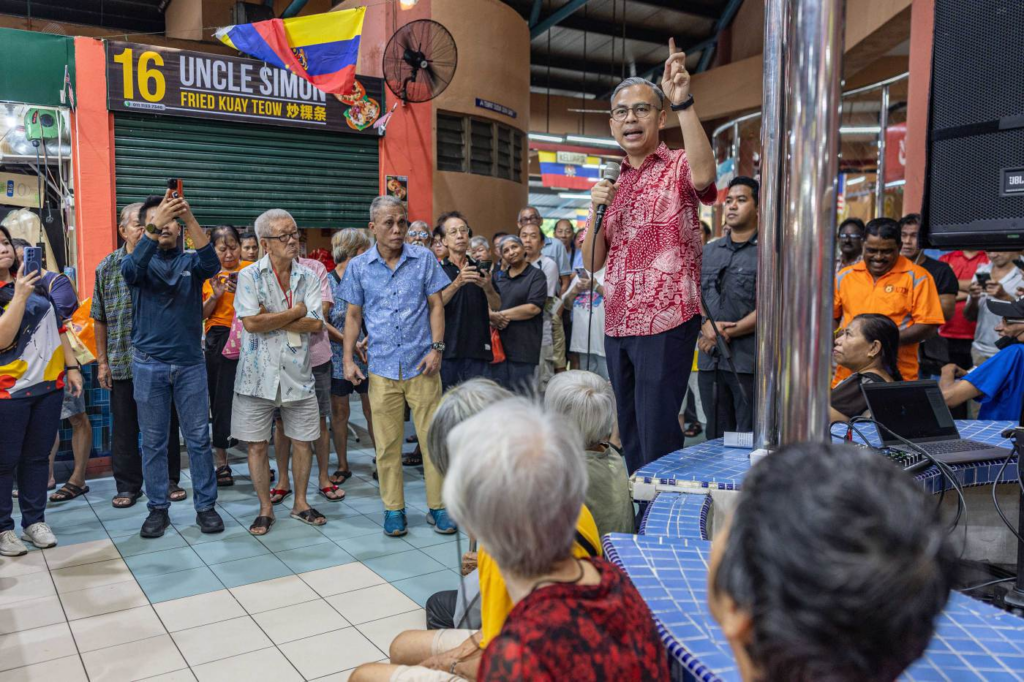
Government spokesman Datuk Seri Fahmi Fadzil.
Image via Azlim Mansor/New Straits TimesWhat about fishermen and food security?
The Fisheries Development Authority (LKIM) is seeking continued targeted diesel support for coastal fishermen.
It is also pushing for more funding to modernise fish landing jetties and cold storage facilities.
The argument is that improving the infrastructure behind the fishing industry could help stabilise domestic food supply chains while reducing costs and wastage.
Could Budget 2027 include major governance reforms?
Beyond spending, Budget 2027 could also signal further institutional reforms.
The government has identified several major pieces of legislation expected to move forward, including the Government-Owned Entities Bill, the Ombudsman Bill, and the Freedom of Information Bill.
There is also a broader push for ministries to report their performance against clearer public KPIs.
If implemented as planned, the reforms could shift some of the focus away from simply announcing large allocations and towards whether government spending is actually producing measurable results.
So, what should Malaysians watch for?
The biggest question around Budget 2027 may not simply be how much money the government spends.
It may be where the government decides to draw the line.
There are competing demands for more welfare, better infrastructure, flood mitigation, business incentives, regional development, and living-cost relief, all while Malaysia is trying to invest in higher-value industries and prepare for an ageing population.
For households, the key issues will likely remain straightforward: whether they receive enough help to manage rising costs, whether healthcare and childcare become more affordable and whether the government's economic plans eventually translate into better-paying jobs.
For businesses, the focus will be on whether incentives become more targeted and whether Malaysia can successfully move from broad subsidies and grants towards policies that produce measurable outcomes.
And for the government, Budget 2027 will be another test of whether it can balance immediate relief with the much harder task of changing how Malaysia grows in the years ahead.
Budget 2027 will be tabled in Parliament on 9 October 2026 under the theme "Malaysia MADANI: Reaching for the Skies, While Anchored on Our Values".