
Here Are All The Healthcare Reforms Proposed Under Budget 2027 That Will Benefit You
From medical insurance and hospital bills to treatment access and elderly care, Prime Minister Datuk Seri Anwar Ibrahim unveiled the government's plans for Malaysia's healthcare system.


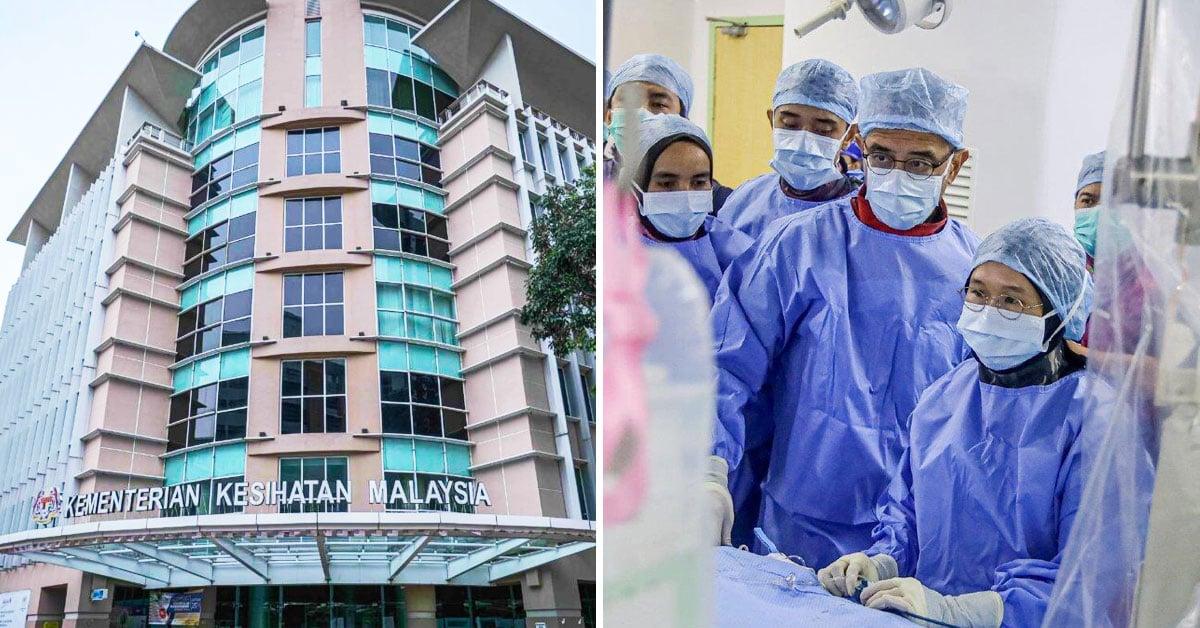 Cover image via
 Follow us on Instagram, TikTok, and WhatsApp for the latest stories and breaking news.
The tabling of the Budget 2027 last Friday, 9 October, has introduced a slew of proposed changes to Malaysia's public and private healthcare sectors
From medical insurance and hospital bills to treatment access and elderly care, Prime Minister Datuk Seri Anwar Ibrahim unveiled the direction for the healthcare system of the nation.
The first item on the agenda was the Health Ministry's allocation, which will increase to RM47.7 billion, up RM1.2 billion (or 2.5%) from RM46.5 billion.
The Galen Centre for Health and Social Policy described this as the ministry's smallest allocation increase in five years.
To help keep you up to speed with all the proposed changes, here are 14 things you need to know:
1. More medical assistance for lower-income Malaysians

The Medical Assistance Fund will receive RM60 million, up from RM40 million, to help Malaysians who cannot afford medical treatment.
Sumbangan Tunai Rahmah (STR) recipients and their spouses aged 40 and above will also be offered free health screenings, medical equipment assistance, and cancer treatment incentives through PeKa B40. The programme will receive RM80 million.
Other measures include:
- MySalam, a free takaful protection scheme, will continue in 2027. The scheme has benefited 1.6 million Malaysians, with RM1.3 billion paid out in claims since its introduction.
- Affordable fertility treatment for 2,000 couples through the BuAi programme, alongside men's wellness services for 42,000 people.
- Expanded free thalassaemia screening for the husbands and children of carriers, aimed at reducing the risk of babies being born with thalassaemia major.
2. More patients can be referred to private hospitals to reduce waiting times
The allocation for the Hospital Services Outsourcing Programme (HSOP) will increase to RM200 million.
The expanded programme will allow the public sector to use more private healthcare facilities, including operating theatres, to help patients get treatment sooner.
Its scope will also cover expanded newborn screening, prenatal genetic testing, and rehabilitation services.
3. More than 9,000 contract doctors will be offered permanent positions
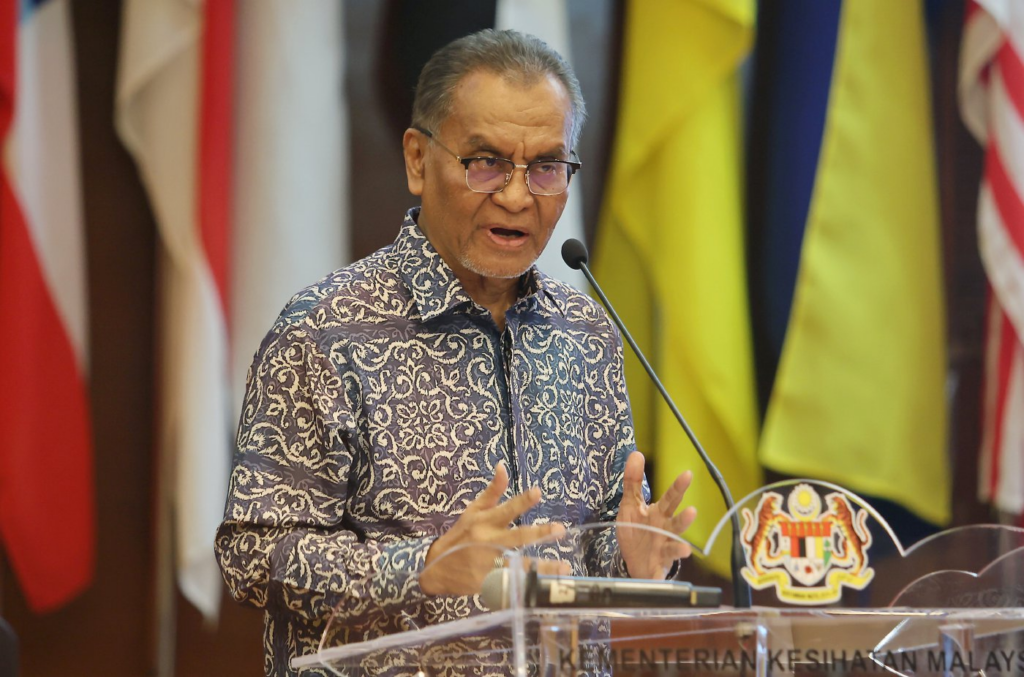
Health Minister Datuk Seri Dr Dzulkefly Ahmad.
Image via New Straits TimesAnwar announced plans to resolve the longstanding contract doctor issue by offering permanent positions to more than 9,000 contract doctors in 2027.
He said the government had already appointed more than 15,000 contract doctors permanently since 2023, including 4,000 this year.
Going forward, doctors who complete their housemanship will be offered permanent medical officer positions.
Health Minister Datuk Seri Dr Dzulkefly Ahmad said the ministry will also request the Finance Ministry and Cabinet to absorb contract dental and pharmacy officers into permanent positions, reported Bernama.
This reform aims to create a healthier working environment for healthcare workers, enabling them to provide better care for Malaysians.
4. Retired government specialists and private specialists can work under more flexible arrangements
Retired government medical specialists and private specialists will be offered more flexible sessional arrangements, which allow them to provide services during scheduled sessions.
The maximum engagement period will also be extended as part of efforts to reduce patients' waiting times.
5. The affordable MediAsas insurance plan will launch in January 2027
MediAsas, an affordable medical insurance option, will be launched next year, with hospital payments based on diagnosis and treatment categories to make costs more predictable.
Employees Provident Fund (EPF) members below 55 will be allowed to use their Akaun Sejahtera savings to pay the premiums.
For SMEs with fewer than 75 employees, the government will subsidise RM200 of each employee's first-year premium, capped at 50 employees per company. The subsidy is expected to benefit up to 200,000 workers.
6. Public hospitals will receive 400 new ambulances
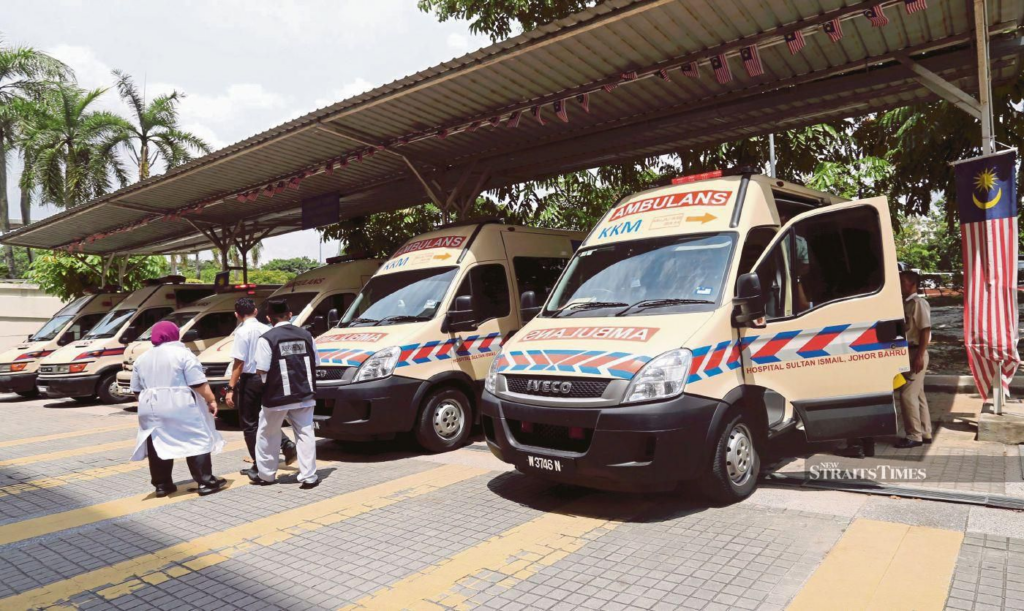
The government will procure 400 new ambulances for Health Ministry hospitals to improve emergency response times.
The additional vehicles will expand the ambulance fleet available to respond to emergencies.
According to Bernama, Dr Dzulkefly said the new fleet is needed to improve emergency response times, as only 34.01% of critical Priority 1 cases met the 15-minute ambulance arrival target in 2025, below the key performance indicator (KPI) target of 50%.
7. RM1 billion will go towards electronic medical records
The Malaysian Communications and Multimedia Commission (MCMC) will invest RM1 billion to accelerate the rollout of electronic medical record systems at healthcare facilities nationwide.
The expansion will follow the principle of "one person, one record", supporting a more coordinated approach to managing patients' medical information.
8. Private hospital bills will become transparent and easier to understand
Starting in 2027, private hospitals will use standardised, transparent billing categories so patients can better understand what they are being charged for.
The government said the change is also intended to reduce price distortions in private healthcare.
Separately, the e-CKAPS portal will allow private healthcare facilities to complete licensing matters entirely online from 2027, with processing times targeted to fall by up to 65%.
9. Nine new healthcare facilities will be built
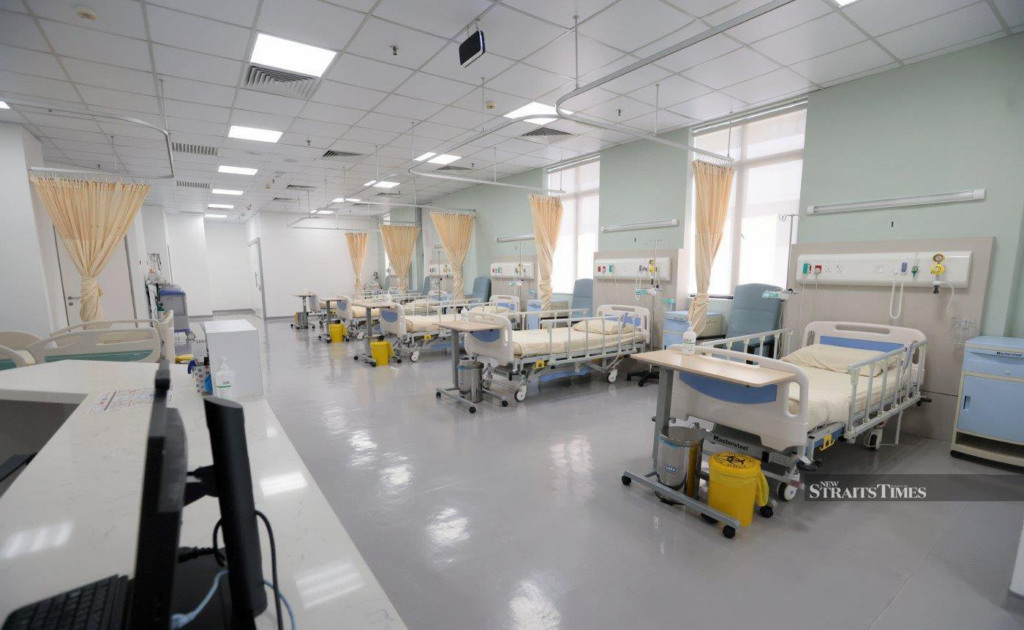
The government will build nine new healthcare facilities, including:
- A Specialist Clinic Complex and Day Treatment Centre at Hospital Sultanah Aminah in Johor
- A Dental Specialist Centre in Kuching, Sarawak
- An Integrated Health Complex in Gerik, Perak
- An Integrated Health Complex in Rembau, Negeri Sembilan
These are four of the nine facilities mentioned during the tabling of Budget 2027.
10. RM1.2 billion will be allocated to fund repairs and maintenance at public hospitals and clinics
The government will allocate RM1.2 billion to maintain and repair public hospital and clinic infrastructure nationwide.
The allocation will also cover upgrades to the remaining dilapidated clinics.
11. More than RM770 million will be allocated to upgrading medical equipment with modern technology
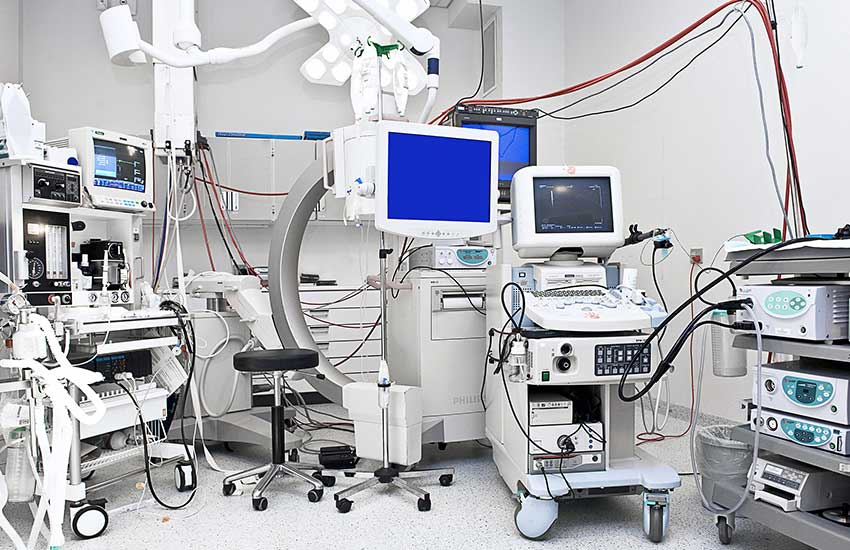
Image for illustration purposes only.
Image via Gumbo MedicalMore than RM770 million will be allocated to advanced medical equipment to speed up diagnosis and treatment.
The budget speech also outlines upgrades to haemodialysis facilities nationwide and robotic surgery technology for Hospital Pakar USM.
Meanwhile, 18 training institutes will receive clinical simulation equipment and basic science laboratories to enhance the skills of over 20,000 trainees, medical personnel, and paramedics.
12. Service tax on elderly care will fall from 8% to 6%
The service tax rate for elderly care services will be reduced from 8% to 6%, effective 1 January 2027.
A full service tax exemption will also apply to senior care fees of up to RM96,000 a year.
The measures are intended to ease the cost of care for elderly Malaysians and their families, particularly those who rely on paid care services.
13. Tax relief will cover more expenses for caring for parents and grandparents
Malaysians paying for their parents' and grandparents' care will benefit from an expanded scope of individual income tax relief.
Under the announced changes, eligible relief will cover all care expenses rather than being restricted to medical costs.
14. Two senior citizen daycare centres are planned in Kuala Lumpur
Two DBKL-owned buildings will be converted into senior citizen daycare centres: one at Anjung Kelana in Taman Desa and another at Pasar Sementara Cheras.
The government will also build two National Care Excellence Centres (NICE), one in Penang and another in Sarawak, focusing on senior care, training, and research.
These facilities form part of the wider effort to expand care services beyond financial assistance and support families who need help looking after elderly relatives.
