
Malaysia Records Nearly 40,000 Dengue Cases This Year. Here’s Why It’s Spreading Faster
The increase in infections has also led to more deaths, with at least 23 dengue-related fatalities recorded so far this year.


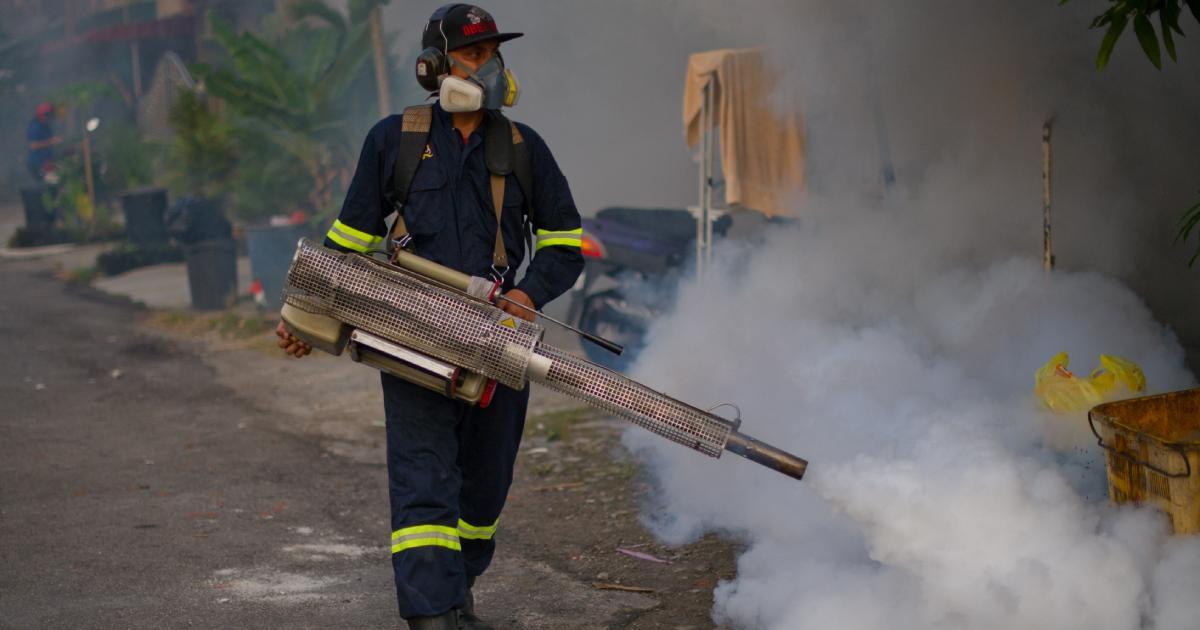 Cover image via Mohd Rasfan/AFP
Follow us on Instagram, TikTok, and WhatsApp for the latest stories and breaking news.
Malaysia is approaching the 40,000 mark for dengue infections this year, with health experts saying a shift in the virus itself is one of the key drivers behind the sharp rise in cases
According to the Ministry of Health's iDengue monitoring system, Malaysia has recorded 39,878 dengue cases as of 3 July, continuing a steady upward trend that saw more than a thousand new infections added in roughly a week.
Earlier data from the first half of the year showed 38,842 cases between 4 January and 27 June, around 27% higher than during the same period in 2025, with the country averaging about 310 new cases every day.
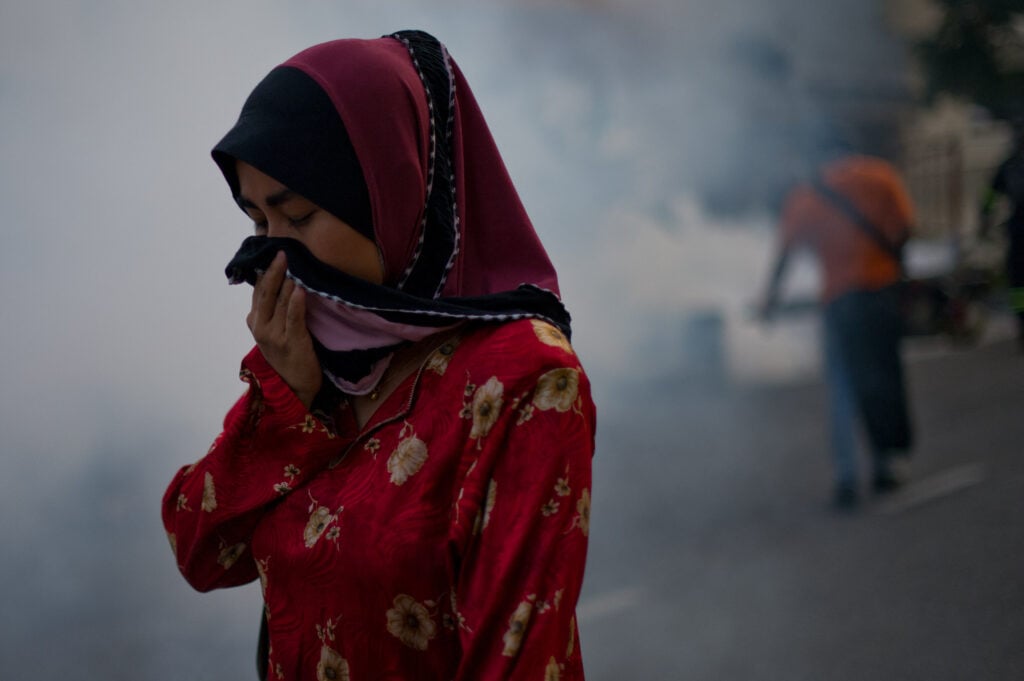
A Malaysian woman shields her face as she is engulfed in a cloud of pesticide during a dengue prevention spraying in Ampang, Kuala Lumpur.
Image via Mohd Rasfan/AFPSelangor remains the country's biggest dengue hotspot
As of the latest available breakdown, Selangor has recorded 17,701 cases, making it the worst-affected state by a significant margin.
It is followed by Johor with 4,591 cases, while Kuala Lumpur and Putrajaya recorded a combined 7,191 cases.
Meanwhile, Sabah has recorded one of the sharpest year-on-year increases, with cases rising by roughly 50% compared to the same period last year.
The increase in infections has also led to more deaths, with at least 23 dengue-related fatalities recorded so far this year, compared to 17 during the corresponding period in 2025.

Why are dengue cases rising so quickly this year?
One of the biggest reasons is a shift in the dominant dengue virus circulating in Malaysia.
Health Minister Datuk Seri Dr Dzulkefly Ahmad said that DENV-3 has now become the country's dominant dengue serotype.
There are four dengue virus serotypes: DENV-1, DENV-2, DENV-3 and DENV-4.
While DENV-3 is not considered more infectious or inherently more dangerous than the other strains, many Malaysians have developed immunity from previous outbreaks involving DENV-1 or DENV-2.
Because DENV-3 has not been the dominant strain in recent years, much of the population has limited existing immunity against it.
This creates what's known as an "immunity gap", allowing the virus to spread more easily through communities and contributing to larger outbreaks.
A second dengue infection can be more dangerous
Having dengue once does not mean a person is protected from future infections.
In fact, someone who has previously recovered from one dengue serotype can still be infected by a different serotype later.
Doctors warn that a second infection may carry a higher risk of developing severe dengue, also known as dengue haemorrhagic fever, due to a phenomenon called Antibody-Dependent Enhancement (ADE).
Instead of helping the body fight the virus, antibodies from the earlier infection may unintentionally allow the new serotype to infect cells more efficiently, increasing the risk of serious complications.
One of the most dangerous stages is when the fever starts going away
One of the biggest misconceptions about dengue is that a falling fever means the patient is recovering.
Doctors warn this can actually mark the beginning of the critical phase, which usually occurs between day 3 and day 7 of illness and lasts around 24 to 48 hours.
During this period, fluid can leak from blood vessels, potentially leading to severe bleeding, organ failure or shock.
Seek immediate medical attention if the fever subsides but is followed by:
- Severe abdominal pain
- Persistent vomiting
- Bleeding from the nose or gums
- Blood in vomit or stools
- Difficulty breathing
- Extreme drowsiness, confusion or restlessness
Don't take ibuprofen or aspirin if you suspect dengue
Health experts also warn against taking ibuprofen, aspirin or mefenamic acid (Ponstan) when dengue is suspected.
These medications belong to a group known as NSAIDs, which can increase the risk of bleeding at a time when dengue patients may already have dangerously low platelet counts.
Instead, paracetamol is generally the recommended medication for reducing fever and relieving pain, provided it is taken according to the recommended dosage.
Mosquitoes don't need much water to breed
The Health Ministry has been stepping up its Komuniti Bebas Denggi (KomBeD) programme through community clean-up campaigns and targeted fogging operations in hotspot areas.
However, dengue prevention still depends heavily on eliminating mosquito breeding sites around homes.
Aedes mosquitoes require only a very small amount of stagnant water to lay eggs.
Some commonly overlooked breeding spots include:
- Refrigerator drip trays
- Water dispenser collection trays
- Toilet cisterns in rarely used bathrooms
- Dish drying rack trays
- Flower pot saucers
- Hollow laundry pole holders in apartments
- Water trapped in folded tarpaulins or canvas covers
Health authorities recommend spending around 10 minutes each week inspecting and removing stagnant water around the home.
For areas where water cannot be drained, larvicides such as Abate (temephos) may be used.
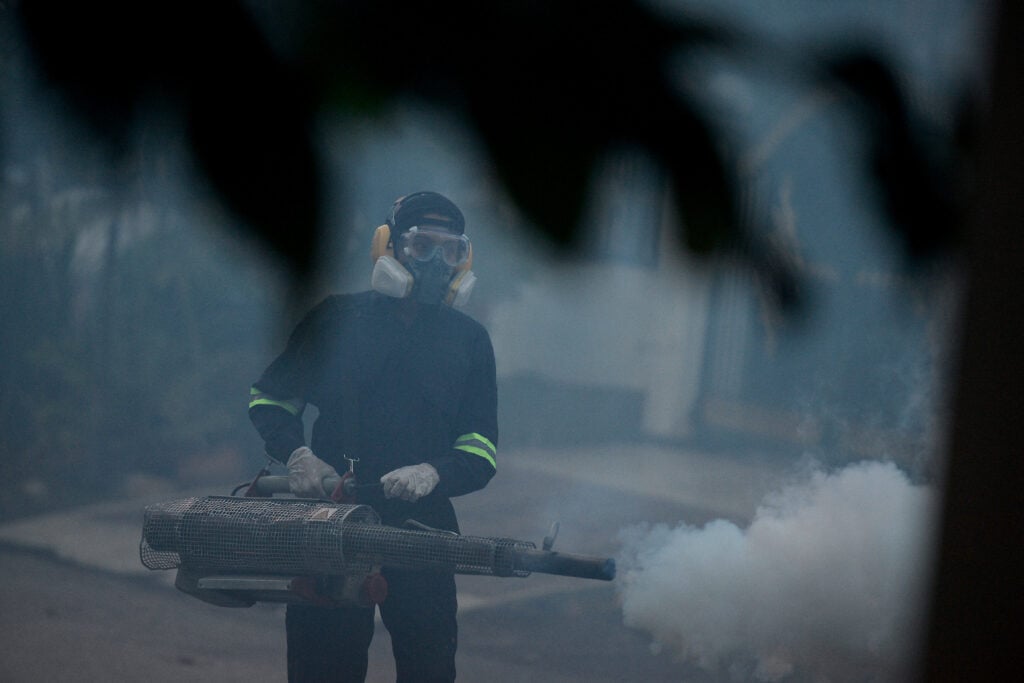
A Health Ministry worker sprays anti-mosquito fog as a preventive measure against dengue fever in Puchong, Selangor.
Image via Joshua Paul/NurPhoto/AFPProtect yourself during peak mosquito hours
Unlike many other mosquitoes, Aedes mosquitoes bite during the day, with activity peaking around 5.30am to 8am, and again between 5.30pm and 8pm.
The Ministry of Health also advises using insect repellents containing proven active ingredients such as DEET, picaridin, or IR3535, especially when spending time outdoors during these periods.
The ministry has also continued releasing Wolbachia-infected mosquitoes in selected hotspot areas. These mosquitoes are part of a population-control strategy designed to reduce dengue transmission and do not replace the need to eliminate mosquito breeding sites around homes.
