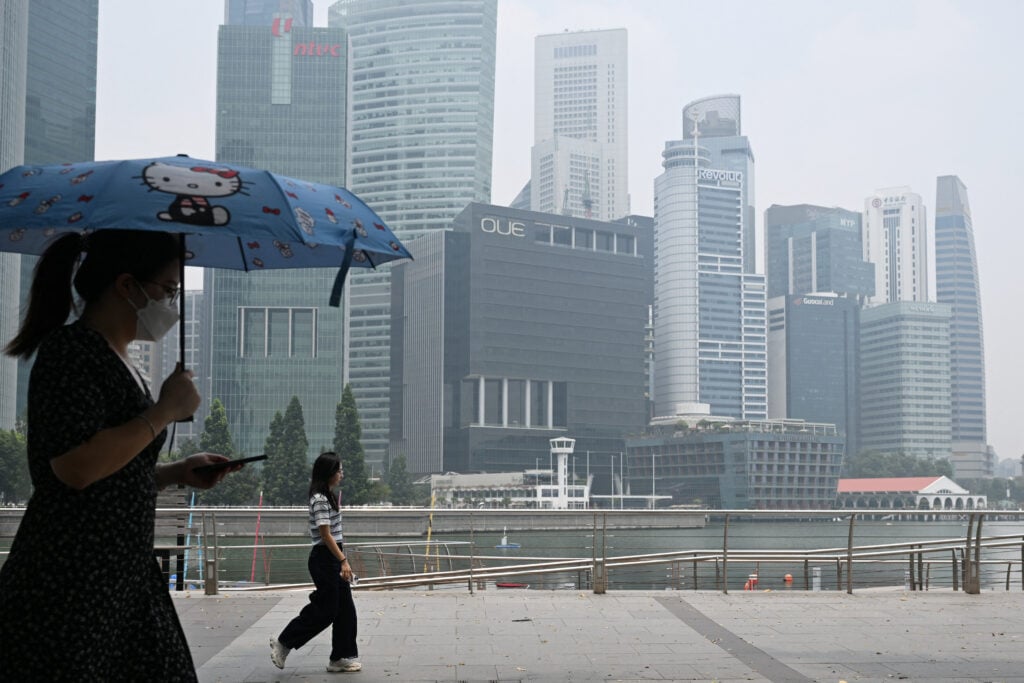
Singapore Overtakes KL To Become The World’s Most Polluted City As Haze Chokes Southeast Asia
The Malaysian capital city is now ranked second in the World Air Quality Ranking.


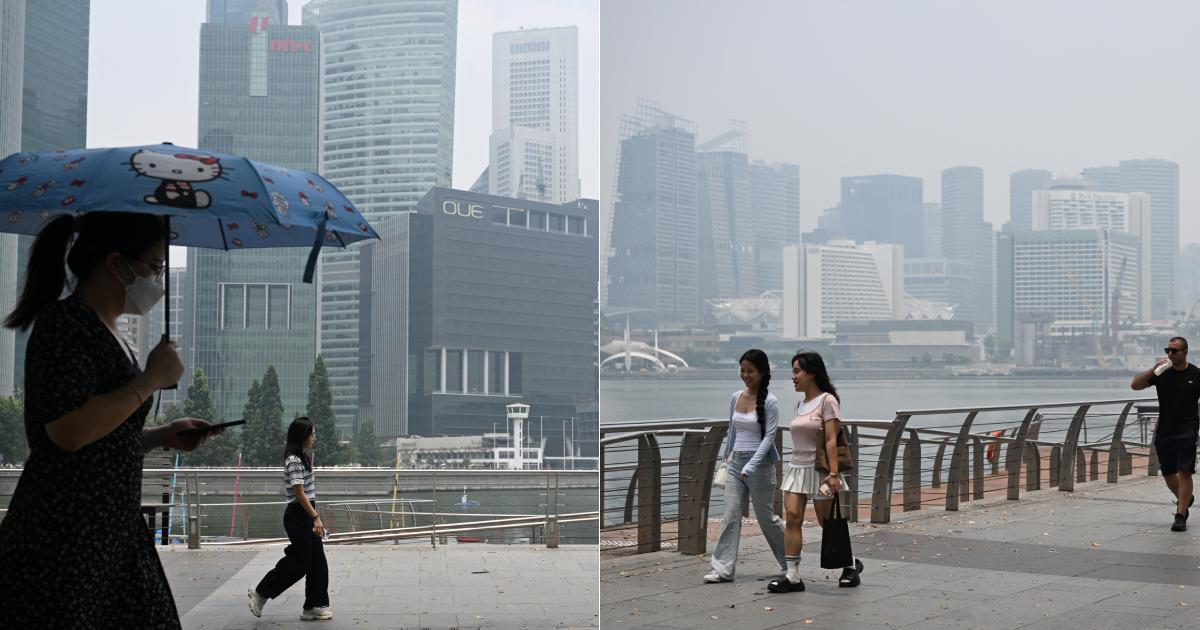 Cover image via Roslan Rahman/AFP
Follow us on Instagram, TikTok, and WhatsApp for the latest stories and breaking news.
Singapore has overtaken Kuala Lumpur to become the most polluted major city in the world, as air quality across parts of Southeast Asia continues to deteriorate
Singapore is now ranked No. 1 on IQAir's live World Air Quality Ranking, recording an AQI of 211, firmly within the "Very Unhealthy" category. That marks a sharp deterioration from earlier in the day, when Singapore was ranked fifth with an AQI of 166.
An AQI above 200 indicates a very high level of air pollution, with prolonged outdoor activity posing health risks to the general population.
Kuala Lumpur has slipped from the top spot to No. 2, but the change in ranking does not mean the situation has improved significantly.
The Malaysian capital city's AQI has fallen from 211 to 194, placing it in the "Unhealthy" category and leaving it just six points below the 200 mark.
The change could reflect shifting wind patterns and the movement or concentration of particulate pollution, rather than a major improvement in overall conditions.
Meanwhile, Southeast Asian cities continue to dominate the ranking
The latest IQAir ranking shows just how widespread the deterioration in air quality has become amid the ongoing transboundary haze.
Other cities in the region are also appearing high on the list, with Kuching ranked eighth at 151. The rest of the top 10 comprises Dhaka, Lahore, Delhi, Kolkata, Dubai, Rotterdam, and Mumbai.
The concentration of Singapore, Kuala Lumpur, and Kuching in the top 10 is consistent with a wider regional haze episode, with transboundary haze from fires and agricultural burning among the possible contributors, alongside local pollution, weather conditions, and the movement of particulate matter.
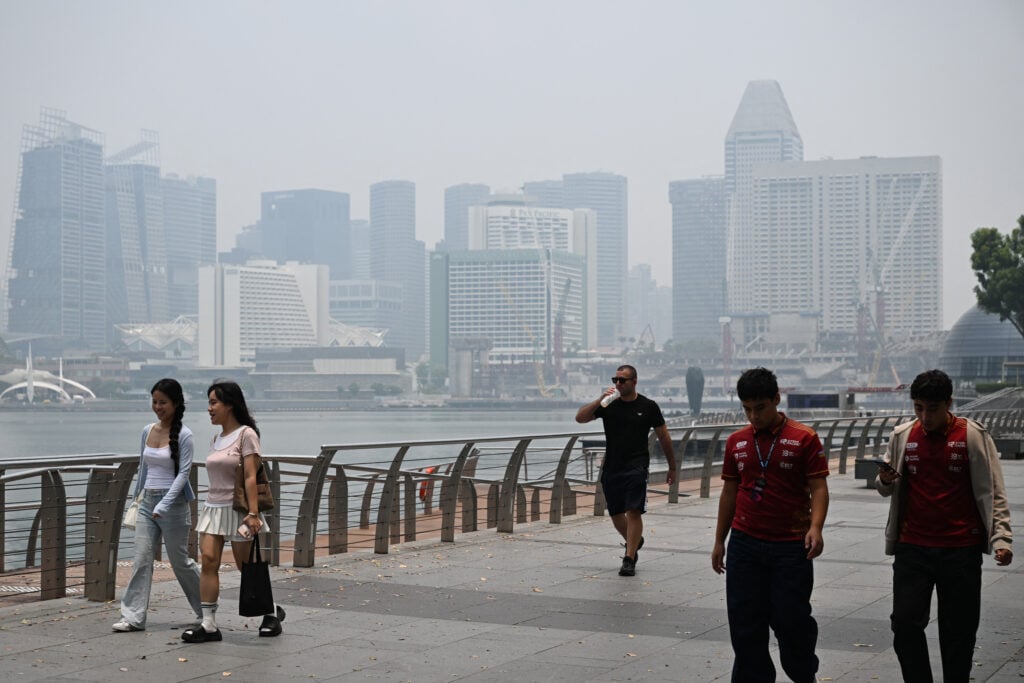
People walk along the boulevard at Marina Bay as buildings are seen shrouded with haze in Singapore on 6 October, 2026. Indonesia has been battling fires for weeks in parts of Borneo and Sumatra, sending suffocating haze across the islands and neighbouring Malaysia and Singapore.
Image via Roslan Rahman/AFPSingapore's sudden jump to the top of the ranking suggests that pollution levels are shifting across the region rather than simply disappearing
Smoke and fine particulate matter can be carried across borders by prevailing winds, while weather conditions can also trap pollutants over urban areas.
For people in both Singapore and Kuala Lumpur, the advice remains broadly the same: limit prolonged or strenuous outdoor activity when pollution levels are high, keep windows and doors closed where possible, and use air purifiers indoors.
Those who need to spend extended periods outdoors should consider a well-fitting N95 or equivalent respirator, which provides better protection against fine particulate matter than ordinary surgical masks.