
The Minimal Phone 2 Is Here, And It Looks Straight Out Of The 2000s
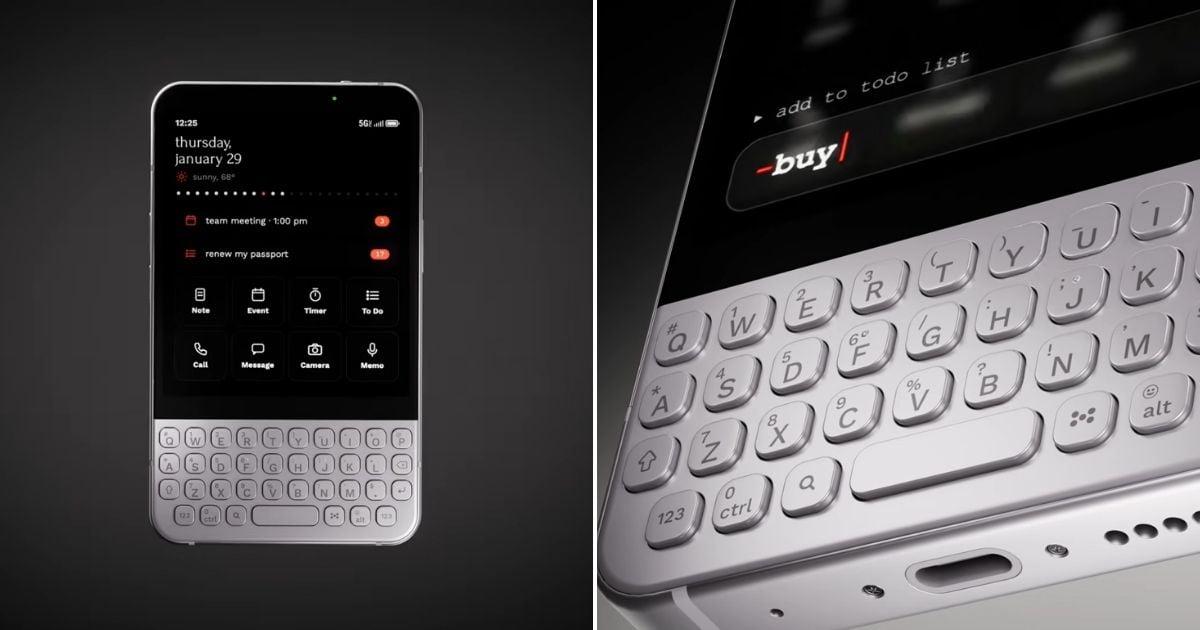
The physical keyboard is back!


 Cover image via The Minimal Company (YouTube)
Follow us on Instagram, TikTok, and WhatsApp for the latest stories and breaking news.
The Minimal Company has launched a Kickstarter campaign for its second-generation smartphone, the Minimal Phone 2
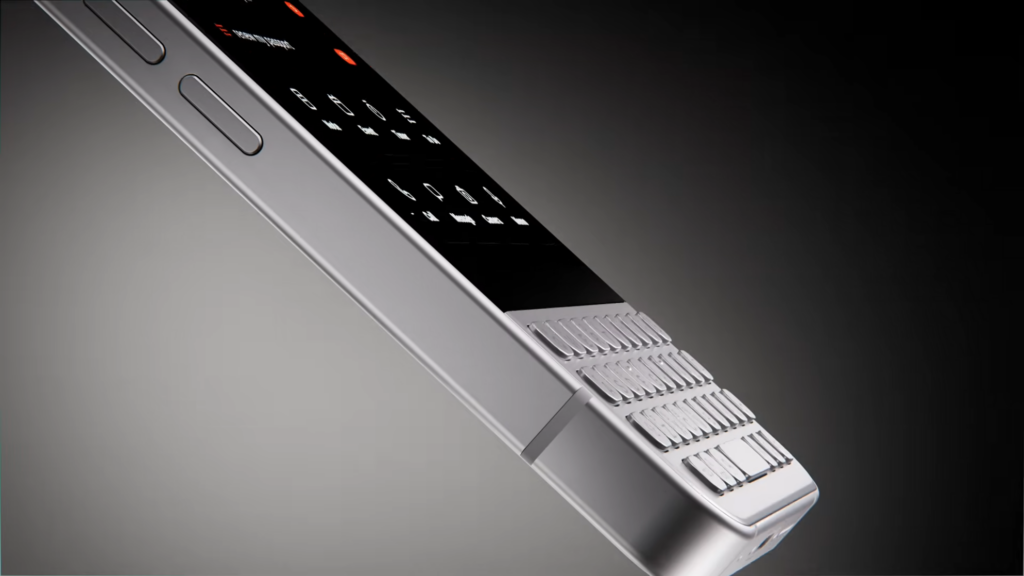
The device combines a classic BlackBerry-style physical keyboard with modern smartphone hardware.
Unlike the first model, which used an e-paper screen, the Phone 2 features a 3.92-inch AMOLED display with a 90Hz refresh rate. Inside, the handset runs on a MediaTek Dimensity 8300 chip with 8GB of RAM. Storage options include 256GB and 512GB.
The phone runs Minimal OS, which is based on Android and designed to reduce screen time while keeping key apps accessible.
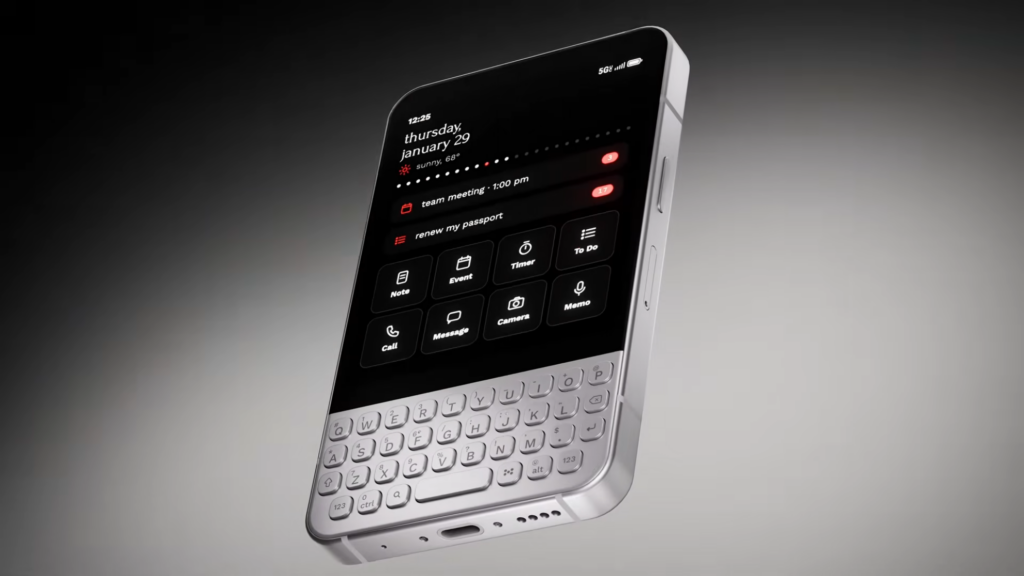
Classic hardware features set the Phone 2 apart from standard smartphones
It retains a 3.5mm headphone jack and includes a multi-colour LED light for notifications. Users can assign custom colours to specific contacts or apps. A programmable side switch also lets users turn off data and location tracking with one press. Fingerprint unlocking is built into the side power button.
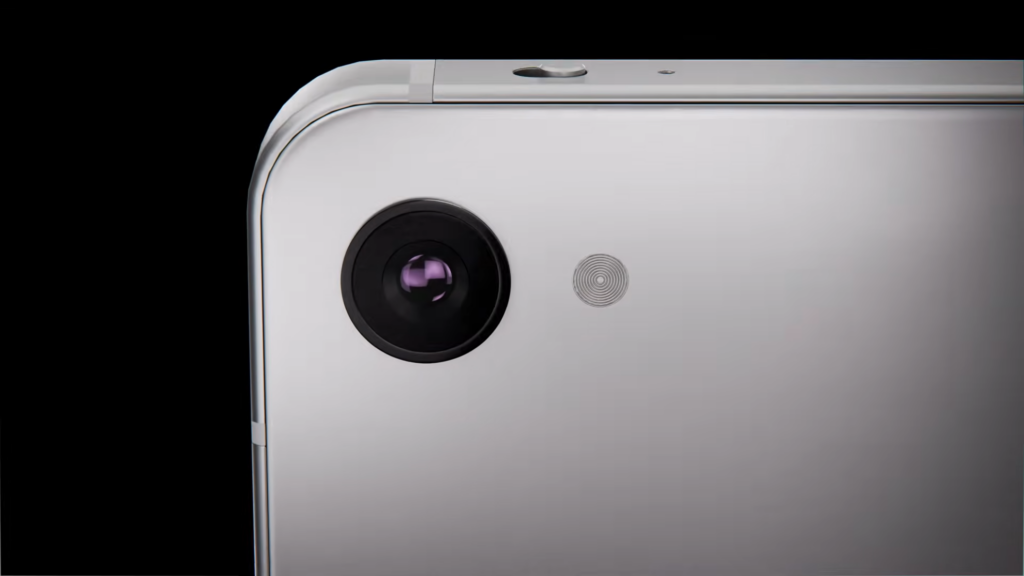
The phone also includes updated cameras. A single 50MP primary camera sits on the back, alongside a 20MP front camera for video calls. A 3,000mAh battery powers the device, supported by 27W wired fast charging and 15W Qi wireless charging.
Interested? Here's how much it costs:
On Kickstarter, the 256GB model costs USD599 (RM2,452), while the 512GB model is priced at an early bird rate of USD675 (RM2,763), down from its USD699 (RM2,861) retail price. The Minimal Phone 2 comes in Pearl and Onyx colours.
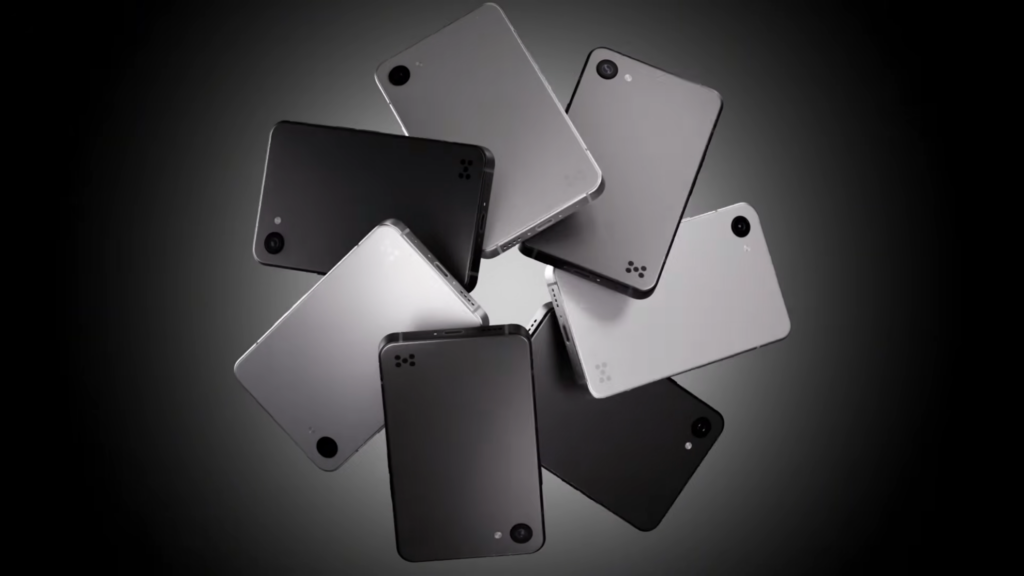
A Founders Edition model in Ember orange features 12GB of RAM and 512GB of storage for USD899 (RM3,680). All orders ship globally and include USD100 (RM409) worth of free accessories, such as screen protectors, a fast charger, and a protective case.
Minimal plans to ship the Phone 2 to backers starting in December 2026. However, the firm noted that production delays could still happen.
