
From Classrooms To Hostels, MCMC Is Strengthening Wi-Fi Across 538 Locations Nationwide
So far, 294 locations have been completed and are operational.


 Cover image via
 Follow us on Instagram, TikTok, and WhatsApp for the latest stories and breaking news.
This Spotlight is sponsored by MCMC.
Your class might end for the day, but that does not necessarily mean your work is done
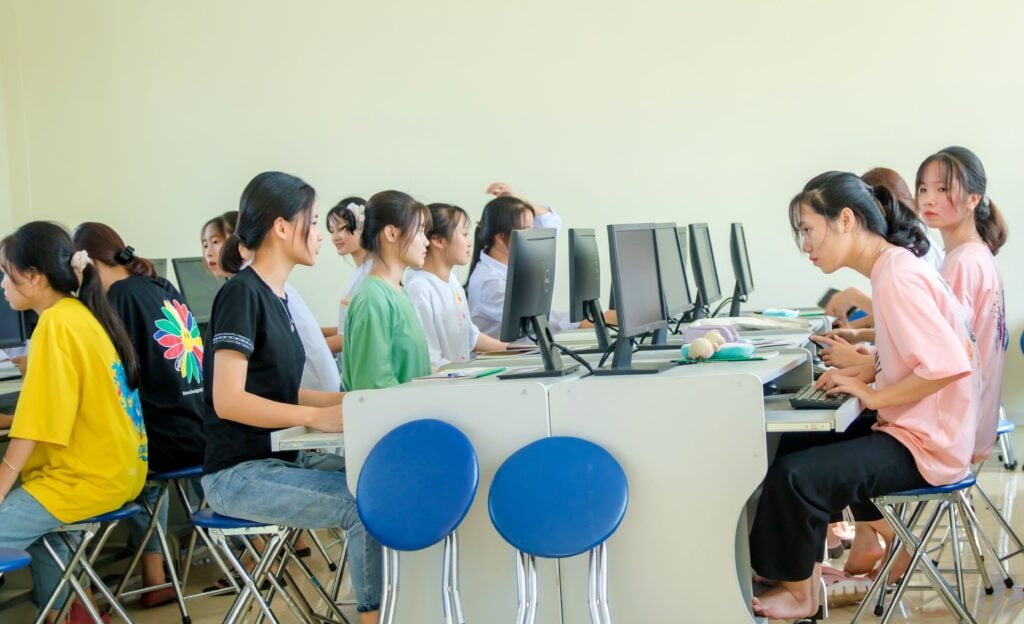
There could still be an assignment to finish, an online discussion to join, research to look up or lecture materials to go through. And depending on the day, that work could happen anywhere from the library, and classrooms to your hostel room.
For students today, having reliable Internet access is more than just a convenience. It is an integral part of how you study, communicate, and get through everyday campus life.
With more learning materials, research resources, and group work moving online, students need to be able to get connected beyond the classroom
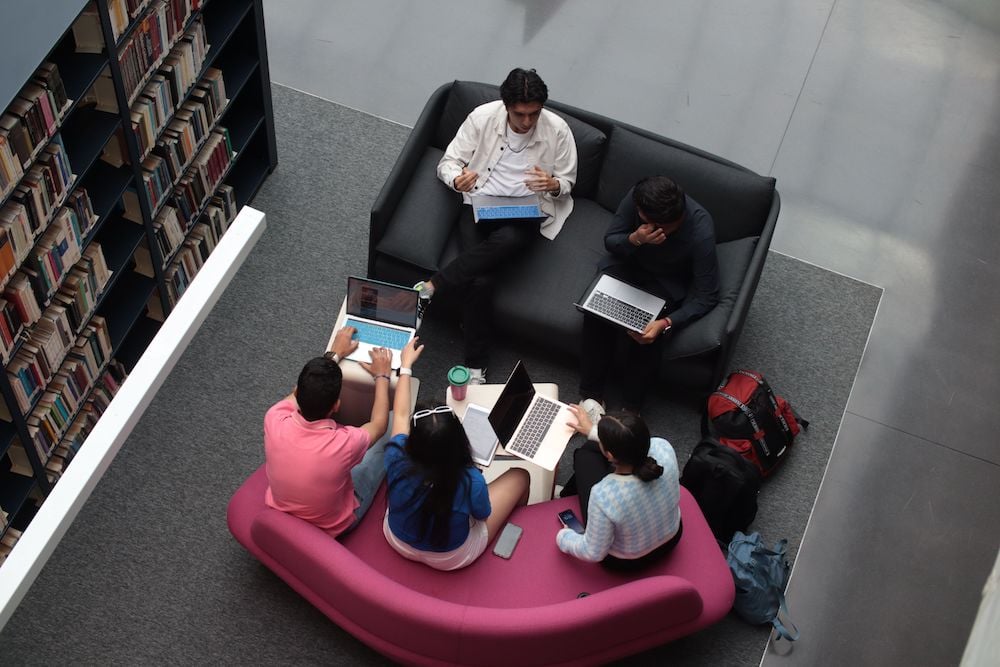
This is why having Wi-Fi across the places where students actually spend their time matters. To support this, the Malaysian Communications and Multimedia Commission (MCMC) is strengthening Wi-Fi connectivity across higher education and skills training institutions nationwide.
The project covers 538 locations across public higher education institutions (IPTA), as well as skills training institutions under the Majlis Amanah Rakyat (MARA) and the Ministry of Human Resources (KESUMA)
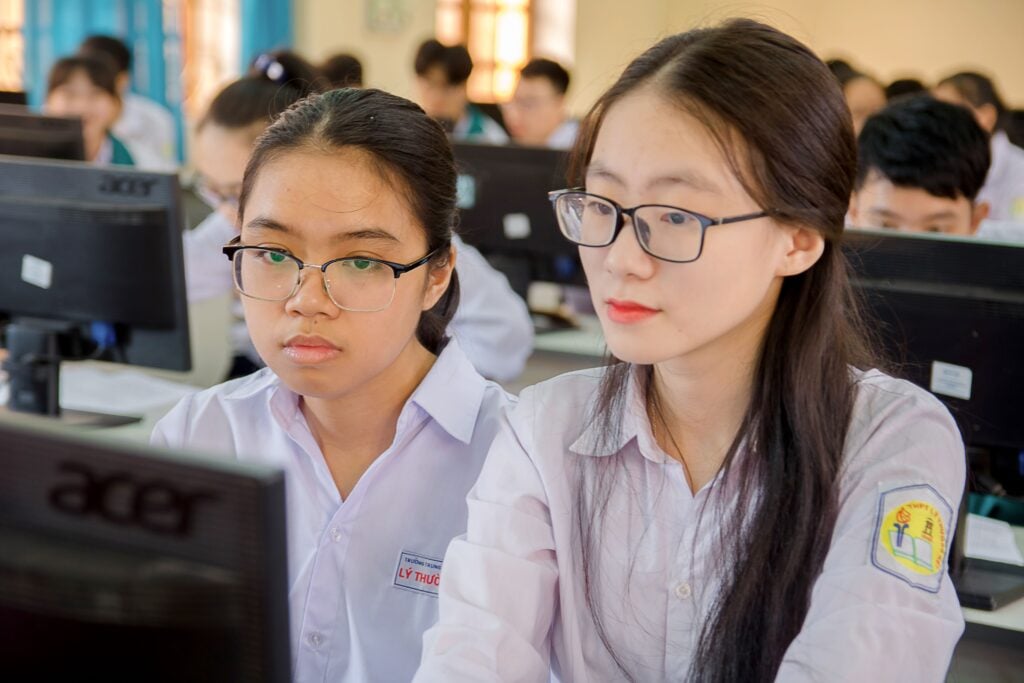
With an estimated overall cost of RM663.9 million, the project is being implemented in phases to expand and improve connectivity across these locations. So far, 294 locations, or 55%, have been completed and are operational.
IPTA Phase 1 and Phase 2 have also reached 100% completion, covering 191 locations, while the expansion involving IPTA Phase 3, MARA and KESUMA is continuing.
But beyond the numbers, the bigger question is what better connectivity actually means for students.
Having Wi-Fi available is one thing. Being able to actually use it in the places where you study, work, and live is another.
With better Wi-Fi coverage, students can continue accessing learning resources, and working on their assignments from different parts of campus, including libraries, student areas, and residential colleges.
It can also make it easier to have group discussions, access online learning platforms, and carry out research without having to rely entirely on a personal mobile data plan.
For students living on campus, having Wi-Fi available in residential areas can be particularly useful when they need to revise, complete an assignment or catch up on learning materials from their hostel room.
