
What’s An eSIM And Should You Switch To It? Here’s Everything You Need To Know
Here's a quick and simple breakdown of what an eSIM is.


 Cover image via
 Follow us on Instagram, TikTok, and WhatsApp for the latest stories and breaking news.
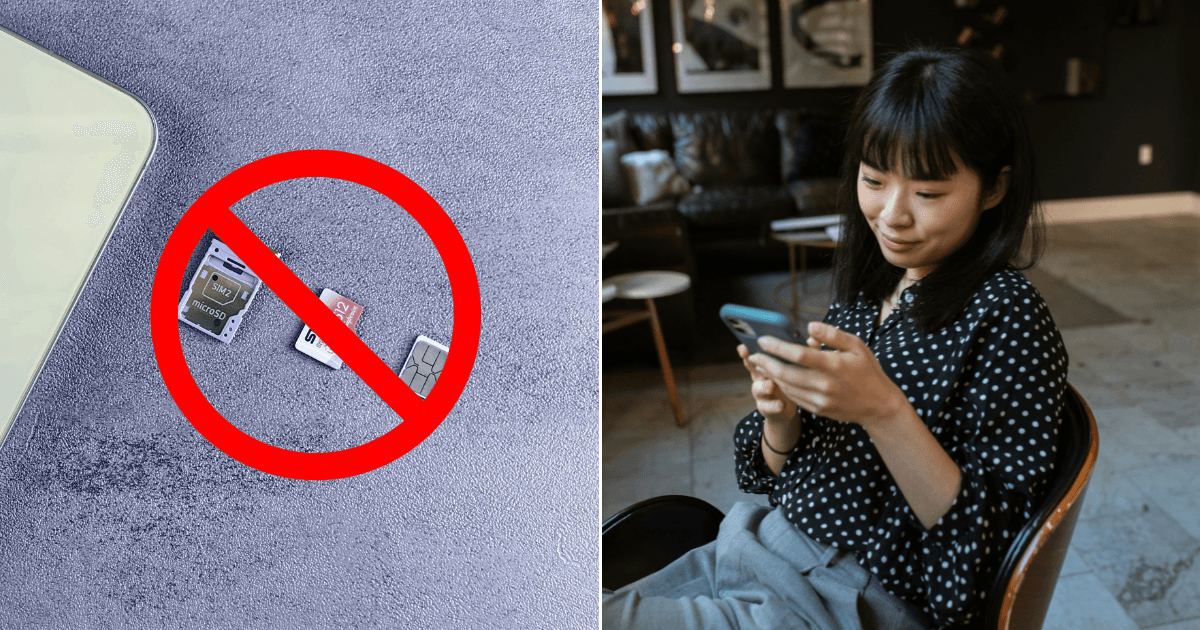
Remember when setting up a new phone meant poking that tiny SIM tray and praying you didn't drop the card? Those days are slowly coming to an end.
The new way forward is something called an eSIM (short for embedded SIM) and it's already supported by most major telcos in Malaysia.
If you're hearing about it for the first time or wondering what makes it different from the usual SIM card, here's a quick and simple breakdown.
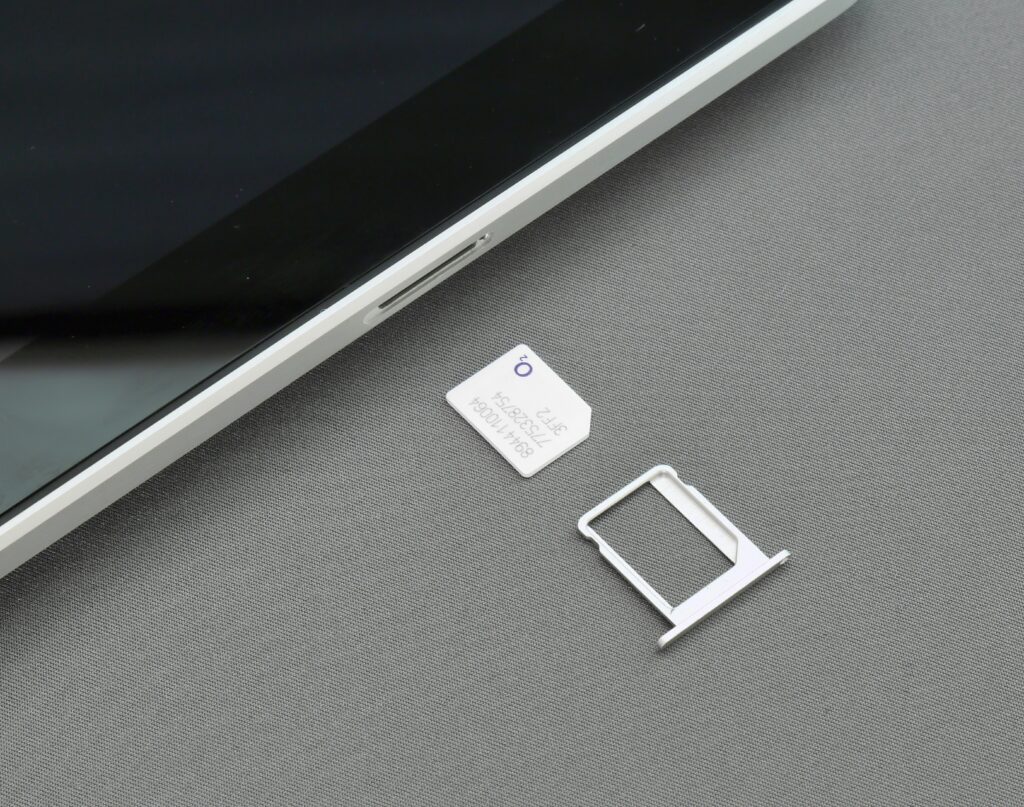
An e-sim is a digital version of a traditional sim card.
Image via Brett Jordan / UnsplashAn eSIM is basically a digital version of the physical SIM card that's built directly into your phone
You don't need to insert or remove anything. Instead, your telco sends you a QR code or a link, and once you scan it, your mobile plan is activated. Setup is done within minutes.
It works exactly like a regular SIM card: you can call, text, and use mobile data. The main difference is that everything's handled through software instead of plastic.
The latest smartphones come with options to use e-sim.
Image via Artem Podrez / PexelsHere are the biggest perks that come with an eSIM:
1. No more swapping cards
If you've ever switched phones or lost your SIM card, you'll know what a hassle it can be.
With eSIMs, that problem disappears because everything's stored digitally in your device.
2. Multiple numbers, one phone
Many newer phones let you store several eSIM profiles at once.
You could have one number for work, one for personal use, or even add a temporary data plan when travelling.
Switching between them is as simple as tapping a button.
3. Perfect for frequent travellers
Heading overseas? You can easily buy and activate a local data plan online before you even land. No more hunting for SIM cards at the airport or worrying about roaming charges.
4. Better for the planet
No plastic, no packaging, and no waste. It's a small but meaningful step towards a more sustainable tech ecosystem.
5. Ready for the future
Apple, Samsung, and Google have all embraced eSIM technology and some new devices are already eSIM-only.
Making the switch now keeps your setup future-proof.
There are several things to keep in mind before making the switch to e-sim.
Image via Kindel Media / PexelsBut before you switch, there are a few things to keep in mind
1. Not all telcos are equally ready
While most major Malaysian telcos now offer eSIM support, some only allow it for postpaid users.
Prepaid support is expanding but still limited in certain cases.
2. You might need to visit a store
Despite being a digital service, most telcos still require you to activate or replace your eSIM in person.
You'll usually need to show your IC and get a QR code from the counter.
3. Switching phones takes a few extra steps
If you upgrade your phone or lose it, you'll need to reactivate your eSIM. This is usually done by getting a new QR code from your telco.
Unlike a physical SIM, you can't just pop it into another device.
4. Double-check compatibility
eSIMs only work on supported devices, so it's best to check that your phone model is compatible first.
iPhones from the XS onwards, Samsung Galaxy S20 and newer, and most flagship Huawei or Pixel phones already support it.

Using e-sim has many advantages.
Image via Ivan Samkov / PexelsHere's how to check if your phone supports eSIM
Not sure if your device is ready for an eSIM? Here's how to check:
For iPhone users:
- Go to 'Settings'
- Tap on Mobile Data
- Tap on 'Add eSIM' (or Settings → General → About)
- If you see a section labelled Digital SIM or Add eSIM, your phone supports it.
For Android users (Samsung, Pixel, etc.):
- Go to 'Settings'
- Tap on 'Connections'
- Tap on 'SIM manager' (or similar).
- Look for an option that says Add mobile plan or Add eSIM.
If you're still unsure, check your device manual or visit your telco's website. Most have a list of compatible phones.
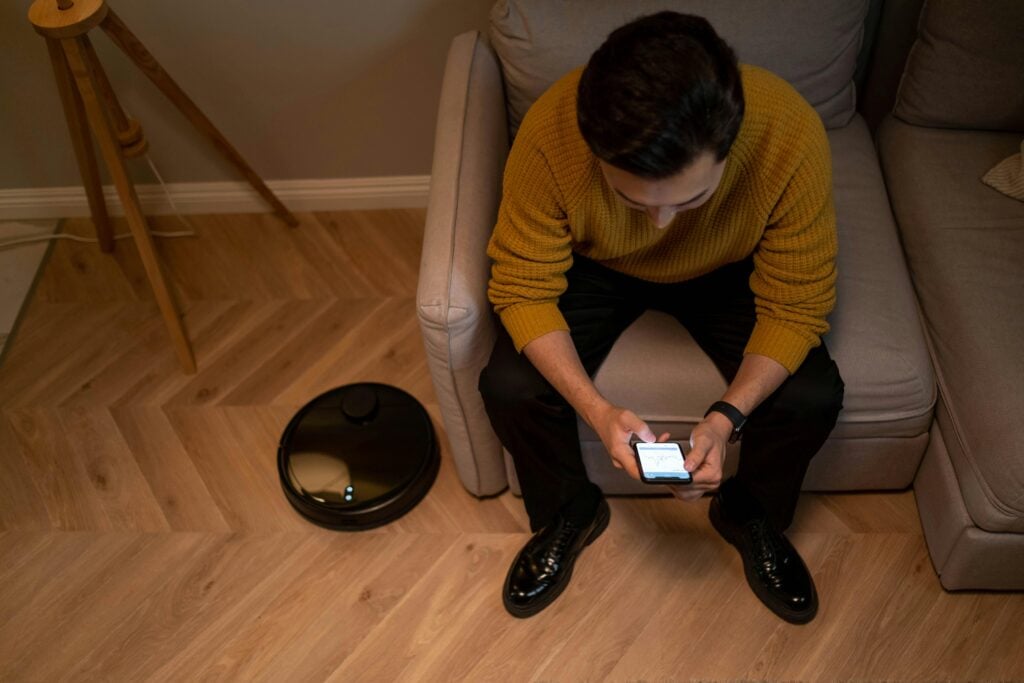
Many telcos already offer e-sim services.
Image via cottonbro studio / PexelsIf you're using a newer smartphone and want a cleaner, more flexible setup, an eSIM is worth trying
It's especially handy if you travel often, juggle multiple numbers, or simply want to future-proof your phone.
But if you're the type who changes devices often or prefers having full physical control over your SIM, you might want to wait until Malaysian telcos make it easier to transfer eSIMs between devices.
Either way, the direction is clear: the future of mobile connectivity is digital. Whether you switch now or later, it's good to know what's coming so you won't be caught off guard the next time you upgrade your phone.
