
This Is What ‘Inverter Tech’ Does And Why It’s Essential In Malaysia
Ever wondered what 'inverter' means and how it works? Here's the ultimate explainer.


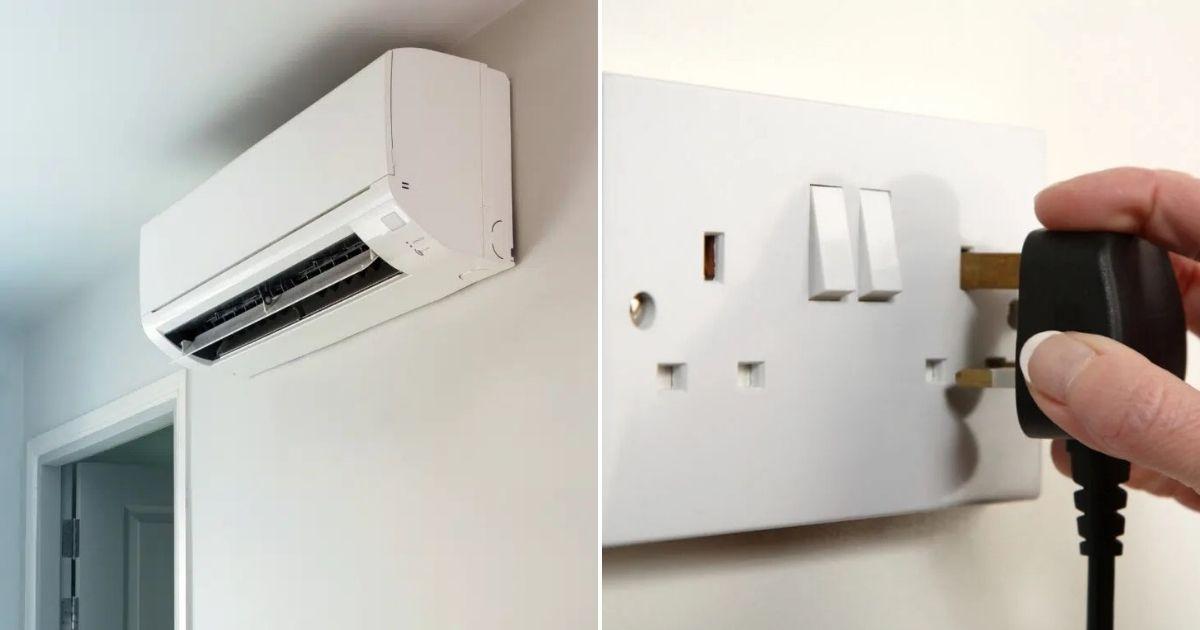 Cover image via
Follow us on Instagram, TikTok, and WhatsApp for the latest stories and breaking news.
Have you ever looked at your electricity bill after a particularly hot month and felt a physical pang in your chest?
We've all been there. Living in Malaysia means our air-conds and fridges are basically working overtime, practically 24/7, just to keep us from melting.
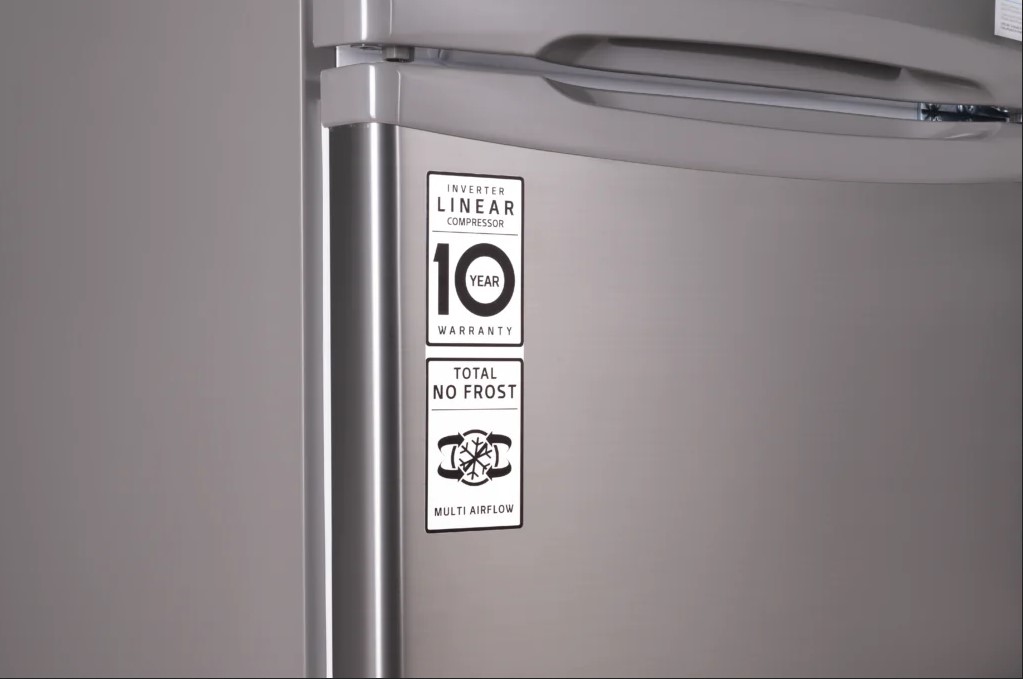
That's usually when we start noticing those shiny "Inverter" labels at the electrical store.
But what does it actually do? Is it just some marketing fluff to make us spend more, or does it actually work?
Understanding inverter tech starts with looking at how old-school "non-inverter" machines operate
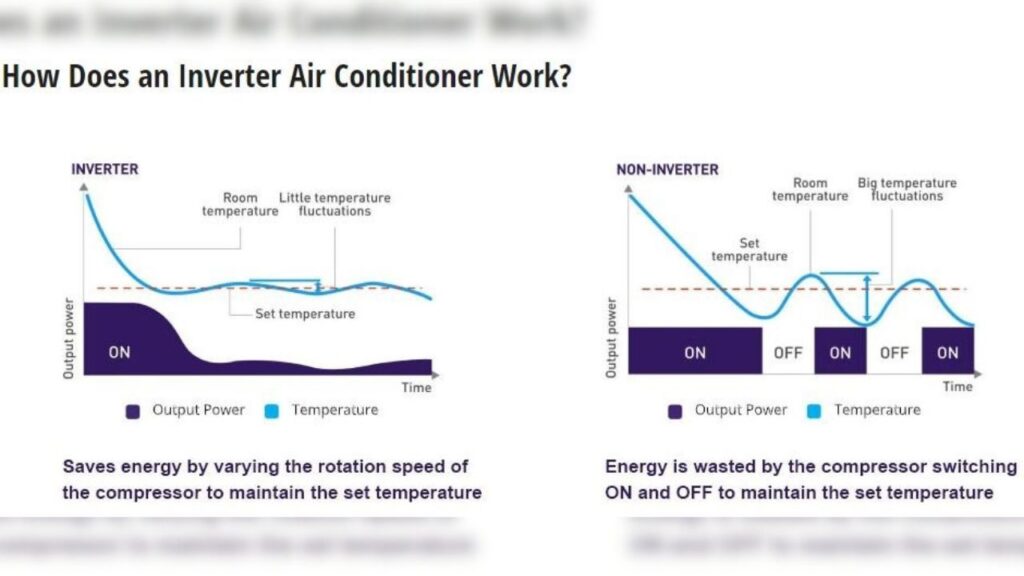
Imagine you're driving in heavy traffic on the Federal Highway. A non-inverter motor is like a driver who only knows two settings: flooring the accelerator or slamming on the brakes.
When your room warms up, the compressor for non-inverter machines kicks in at 100% power with a loud thump. Once it reaches the desired temperature, it shuts off completely.
Then, 10 minutes later, it roars back to life. This constant "start-stop" cycle is what guzzles your electricity, and why you're shivering one minute and sweating the next.
Here's the thing: an inverter motor is much smarter
Instead of turning off, it just slows down. It's like a seasoned marathon runner pacing themselves. Once your room hits that sweet 24°C, the inverter compressor ticks along at a low speed to maintain it.
Because it doesn't have to "jump-start" itself every few minutes, it uses significantly less energy. We're talking 30% to 50% savings on your bill.
Honestly, in a country where the sun is relentless, that adds up to a lot of nasi lemak money by the end of the year.
Let's be real: inverter appliances usually cost more upfront
You might pay a few hundred ringgit more than a basic model. But it's worth thinking about the long game.
Beyond the monthly savings, inverter machines generally last longer. Why? Because they aren't constantly being "shocked" by sudden power surges and mechanical stops.
They're also much quieter. If you're a light sleeper, not having your air-conditioner sound like a small aeroplane taking off every 20 minutes is priceless.
So, if you're planning to use that appliance daily — which, let's face it, we all do with our fridges and air-conds — the "extra" cost usually pays for itself within a year or two.
Follow SAYS Tech on Facebook, Instagram, & TikTok for the latest in tech in Malaysia and the world!

Read more trending stories on SAYS
26-Year-Old Influencer Builds A Real-Life Flying Hoverboard
The influencer from China has gone viral for building and flying his own manned hoverboard over the Yangtze River.