
Doctor Writes Open Letter Urging Not To Politicise Chinese Medical Appointment Booklets
Dr Eric Tuang said healthcare workers are trained to treat patients regardless of race.


 Cover image via
 Follow us on Instagram, TikTok, and WhatsApp for the latest stories and breaking news.
A doctor has urged the public not to politicise Chinese-language medical appointment booklets issued by government clinics or hospitals, noting that some elderly patients have difficulty understanding languages other than their mother tongue
In an open letter published on Facebook yesterday, 20 May, Dr Eric Tuang, an ear, nose, and throat (ENT) specialist, expressed his disappointment over the online backlash surrounding a recent incident at a public clinic.
The controversy began after a TikTok video went viral showing a patient's guardian questioning why Klinik Kesihatan Setapak was issuing patient monitoring logs written in Chinese.
The Kuala Lumpur and Putrajaya Health Department subsequently issued an apology, clarifying that the Chinese-language card was issued by mistake to a pediatric patient's caregiver, reported FMT.
While the department reiterated that Bahasa Melayu remains the official language of government healthcare services, they explained that clinics prepare support materials in various languages to assist with communication in high-density areas.
In this specific case, the treating medical officer gave verbal explanations and wrote the clinical notes on the card in Bahasa Melayu.
Following the incident, Malay rights group Perkasa has opposed the use of Chinese-language appointment booklets at the government clinic, saying official documents must be written in the national language.
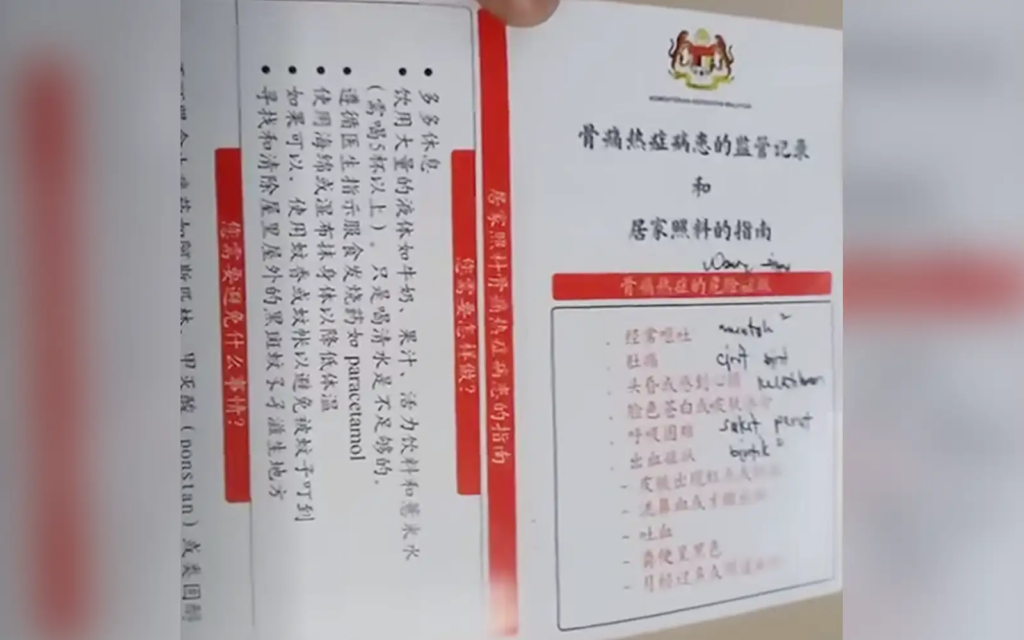
In response to the controversy and after reflecting on his 10 years in the public healthcare sector, Dr Tuang said the realities of the medical frontline are starkly different from the divisive nature of social media
"Over those years, while in the hospital, I never truly cared about the race of my colleagues. When we were saving patients together at midnight, all everyone saw was a patient, not a race.
"Because of this, I always thought Malaysia was much warmer than it appeared in the online world — until I saw those comments. Suddenly, I realised I might have been living in a bubble of my own imagination," he began in the open letter.
He stressed that a medical professional's core responsibility is to ensure that patients concerned about their lives or health fully comprehend their medical situations.
"I have seen far too many non-Malay elderly folks nodding continuously in the consultation room when, in reality, they didn't understand a single word," he wrote, adding that he frequently acted as an unofficial translator during his service to bridge language barriers between doctors, patients, and their families.
He argued that when medical staff make the extra effort to offer bilingual appointment cards or translations, it is not a defiance of the national language, but a simple act of "kindness and professionalism" and a genuine desire to serve patients.
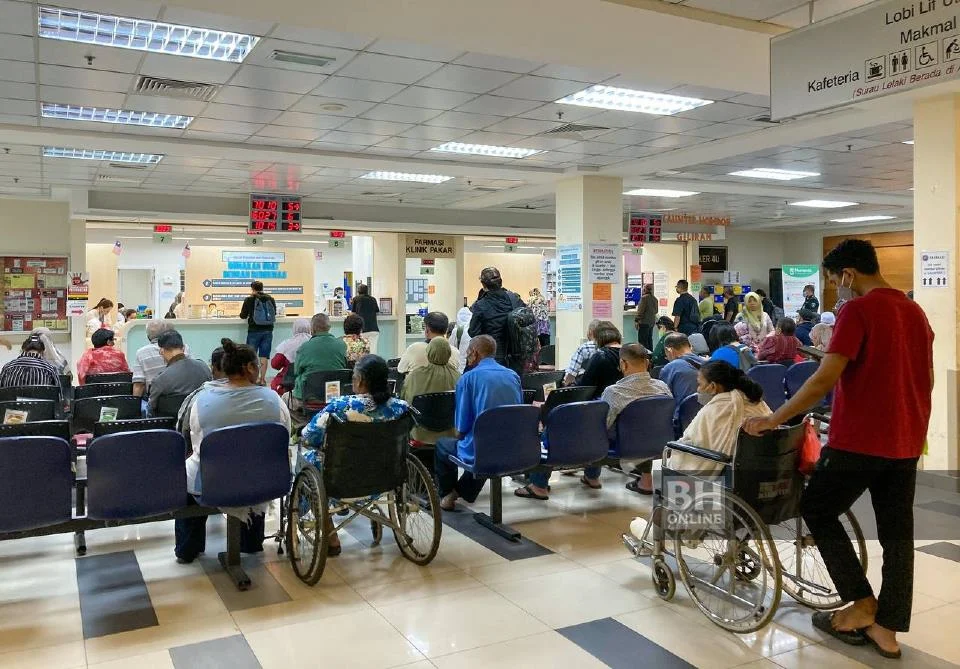
Image for illustration purposes only.
Image via Aswadi Alias/Berita HarianThe otorhinolaryngologist also highlighted the socio-economic factors that contributed to limited language literacy among the older generation
Addressing critics who demand total mastery of the national language from older generations, Dr Tuang shared a personal story about his own parents, who grew up in extreme poverty and were forced to leave school early to survive.
"In that environment, language and education were never choices; they were things squeezed out by the sheer struggle of survival," he wrote.
He argued that rather than blaming the vulnerable, society should recognise that historical gaps in poverty eradication and education left many grassroots families without equal opportunities.
Dr Tuang said that while bilingual medical instructions do not pose a threat to the national language, he recognises the importance of Bahasa Melayu and agrees that Malaysians should learn it well.
However, he said the issue should also be viewed with empathy.
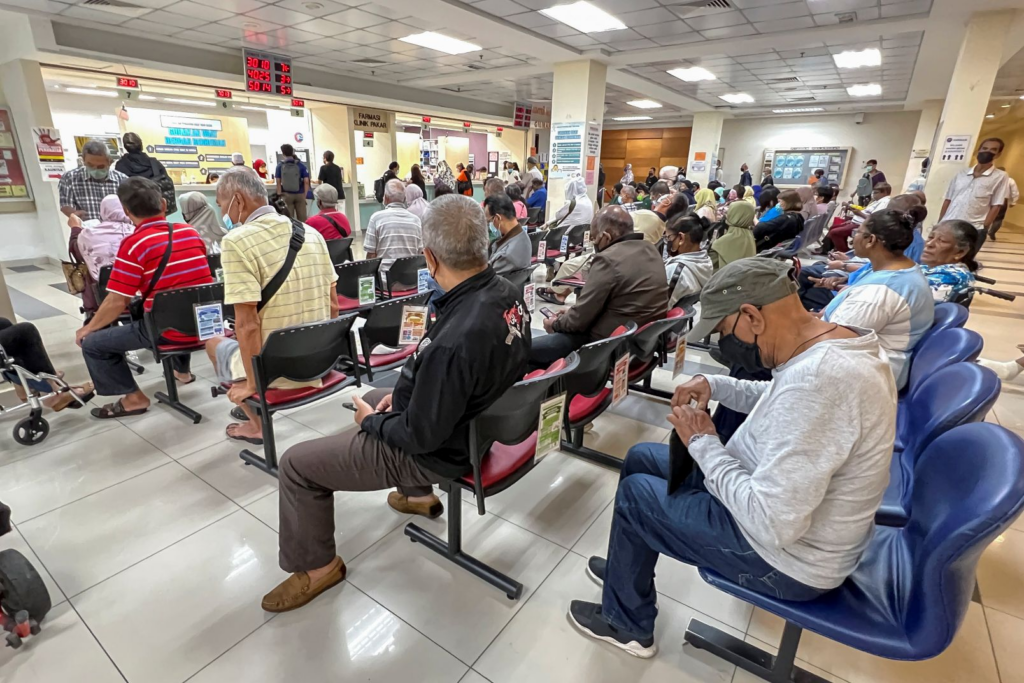
Image for illustration purposes only.
Image via Utusan MalaysiaA health policy contributor also defended multilingual clinic cards, saying they help ensure continuity of care
Speaking to CodeBlue, Jeremy Ang, who was directly involved in drafting the National Health Literacy Policy with the Health Ministry and the World Health Organization (WHO), said multilingual appointment booklets are meant to support the continuity of patient care.
He said healthcare communication must be accurate, clear, and effective, regardless of a patient's background.
According to Ang, appointment booklets are especially important for patients who need follow-up care, such as dengue patients who must monitor warning signs, haematocrit levels, and platelet counts.
He also said countries such as Singapore, Australia, and the US have adopted multilingual health communication policies or language access services to reduce information gaps and prevent treatment errors.
Singapore, specifically, uses all four official languages in its public health campaigns and hospital health materials to ensure information is accessible across different ethnic groups.
"Diseases, viruses, and medical emergencies do not recognise race, religion, or political ideology.
"Failure of patients to attend appointments due to language confusion can have serious implications, including increased burden on the national health care system," Ang told CodeBlue.
You can read Dr Tuang's open letter here:
