
Indian Brothers Wed Same Woman Under Rare Tribal Marriage Tradition
The wedding lasted three days and was witnessed by hundreds of villagers.


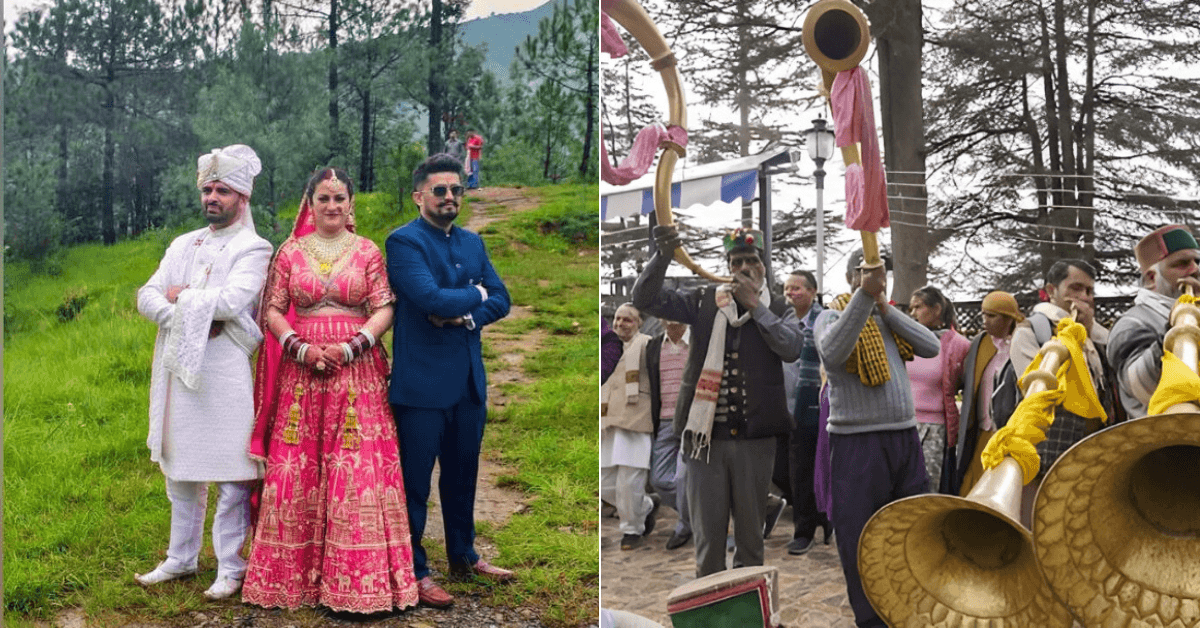 Cover image via
Follow us on Instagram, TikTok, and WhatsApp for the latest stories and breaking news.
In the northern state of Himachal Pradesh, two men have recently gone viral for marrying the same woman, as part of an ancient custom
According to The Star, the newlyweds — brothers Pradeep and Kapil Negi, and their mutual wife Sunita Chauhan — hail from the Hatti tribe, a close-knit community named after their tradition of selling produce in small-town markets known as haats.
The practice is reportedly an age-old custom among the Haati, yet one that is observed by few people today.
Polyandry — the practice of a woman having more than one husband — is technically banned in India, but exceptions exist under tribal customs in certain regions, such as in the Himalayan state of Himachal Pradesh.
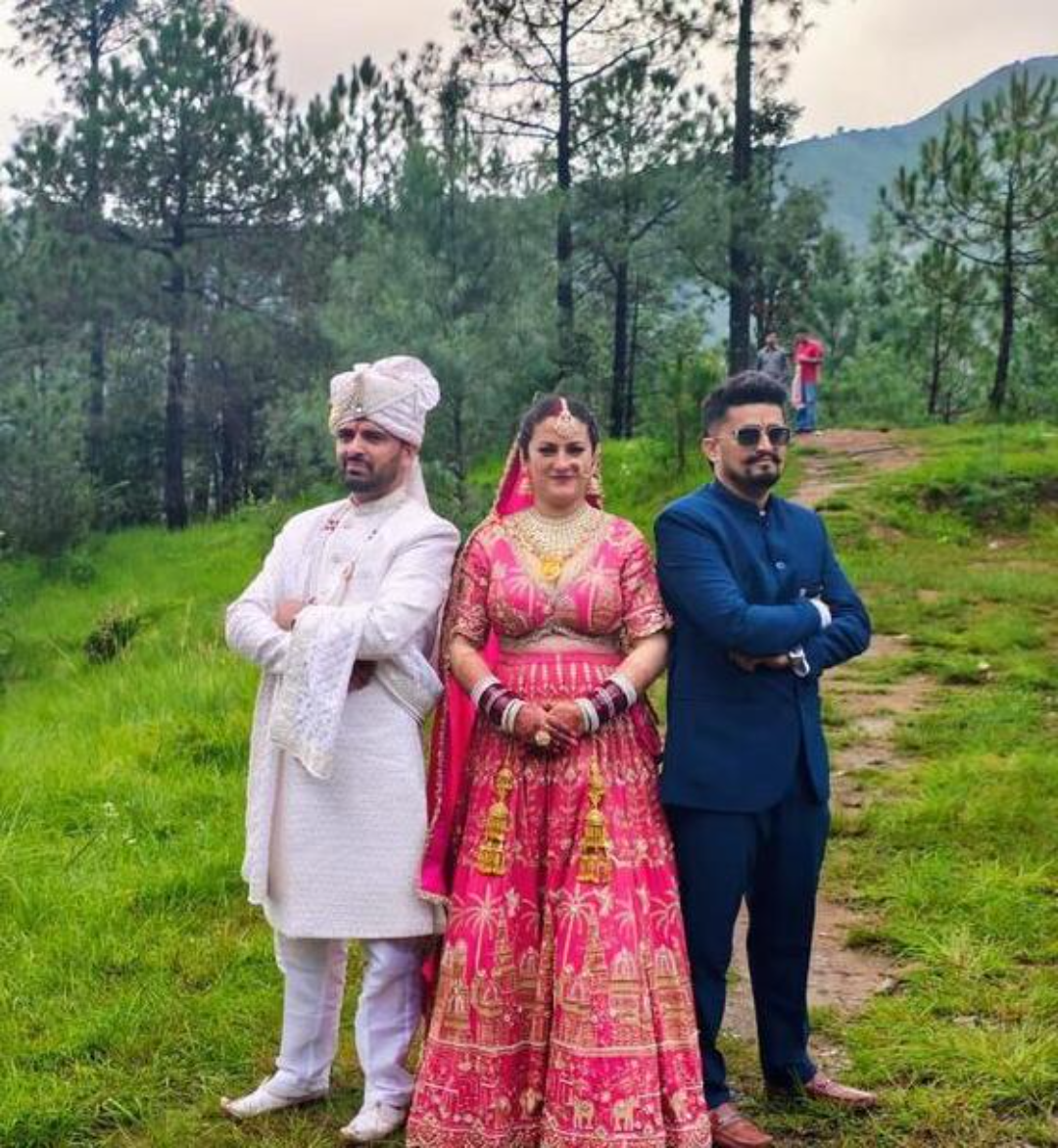
The wife, Sunita, said that it was her own decision to marry the brothers, and that no one pressured her into it
"We followed the tradition publicly as we are proud of it and it was a joint decision," she said.
Local folk songs and dances were performed in the ensuing three-day wedding ceremony, which was observed by hundreds of villagers and relatives from their hometown of Shillai village.
Called "Jodidara", the tradition is meant to ensure stronger security and unity among men working scattered jobs across the mountain terrain
The idea is that a large family, especially with more men, offers greater safety and security, while also encouraging a sense of brotherhood and preventing ancestral land from being divided.
The wife rotates between the brothers according to an agreed-upon schedule, and all family members help raise the children, though the elder brother is listed as the legal father.
Image used for illustration purposes only.
Image via FreepikWhile Jodidara is permitted under Himachal Pradesh's high court, it is rare today. Families who practise it usually do so discreetly, rather than in public.
The marriage has sparked condemnation from the All India Democratic Women's Association (AIDWA) as well — with AIDWA general secretary Mariam Dhawale saying that the act was considered exploitative of women, and went against a woman's fundamental rights.
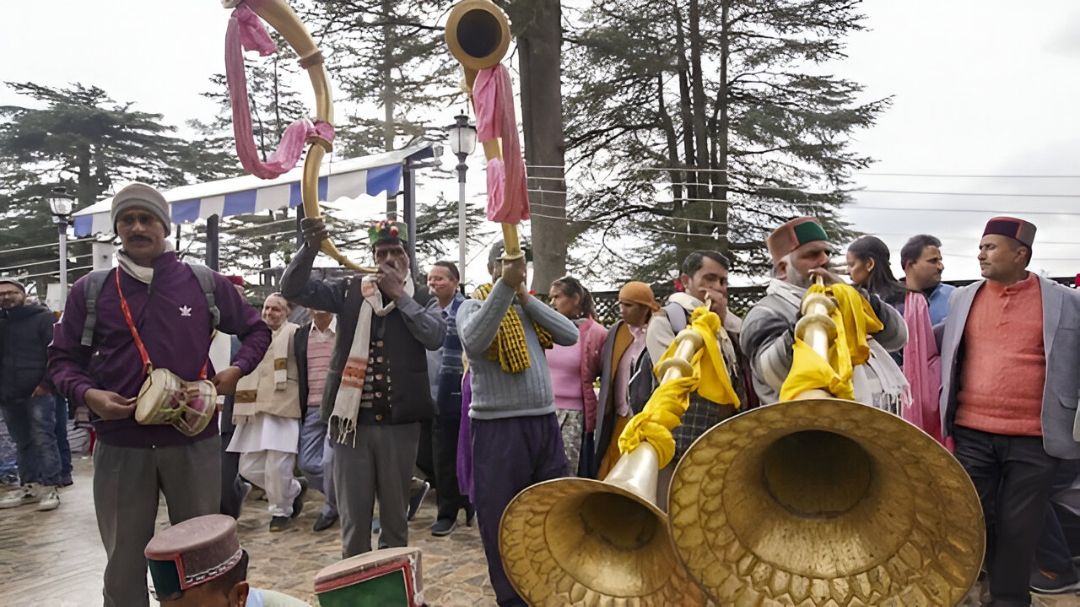
Members of the Haati tribe.
Image via IasgyanWho are the Haati tribe of India?
Numbering at around 300,000 individuals, the Haati are a close-knit community located at the Himachal Pradesh-Uttarakhand border, at the basin of the Giri and Tons rivers. Men traditionally wear white headgear on special occasions.
There are two main clans, with one in the Trans-Giri area of Sirmaur district, Himachal Pradesh, while the other is located in Jaunsar Bawar, Uttarakhand. However, their traditions are similar, and intermarriage is common.
In 2023, they were granted "Scheduled Tribe" status by the Indian government, which means that they are deemed to have faced historical social, economic, and educational disadvantages, and thus entitled to special protections and affirmative action.
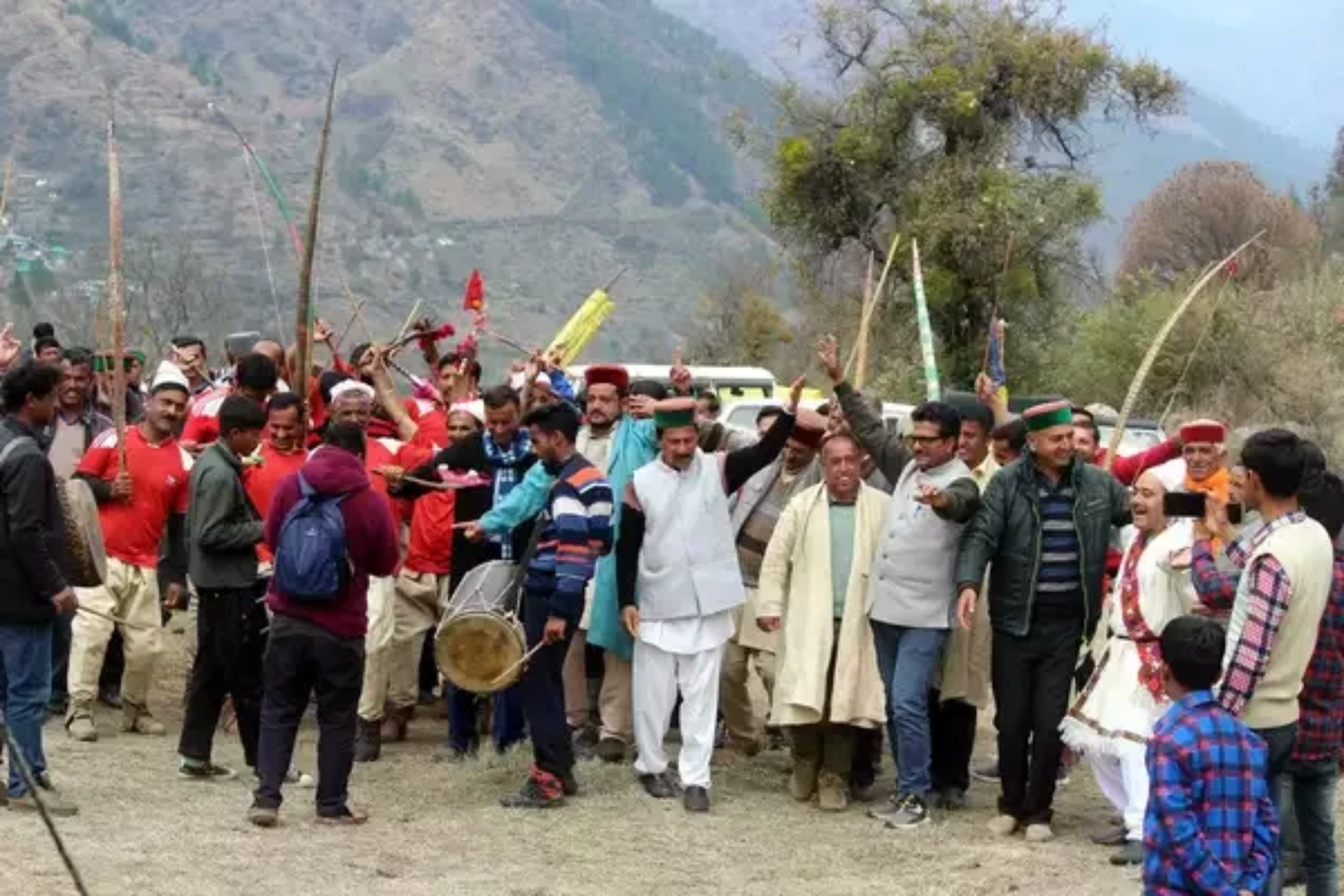
Members of the Haati tribe celebrating after attaining tribal status.
Image via India Narrative