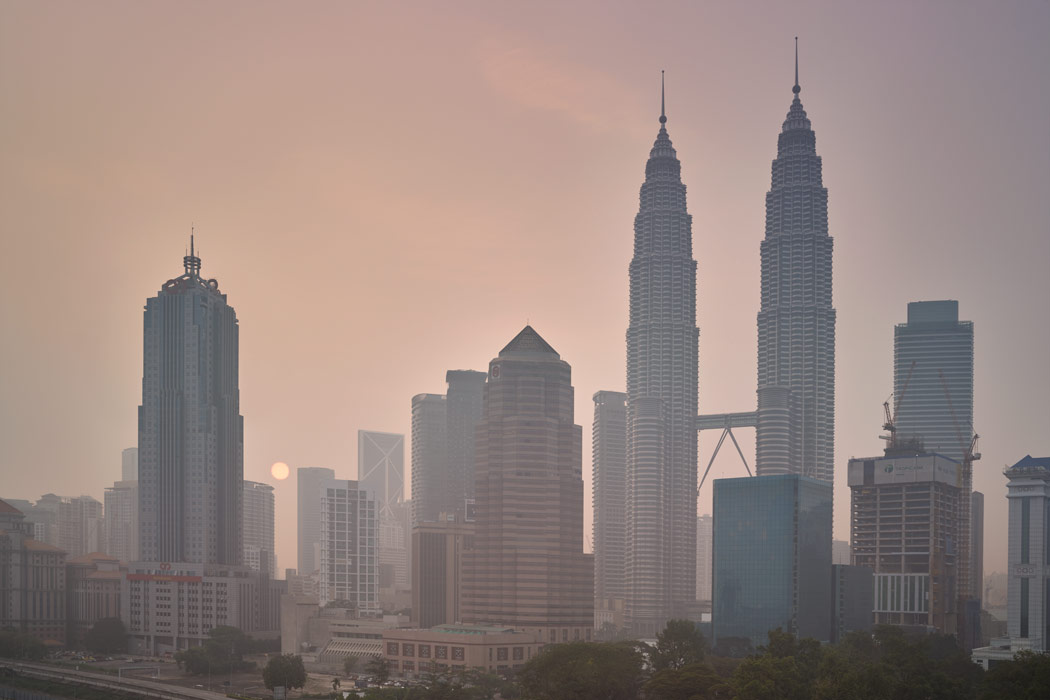
Haze Season Is Back. Here’s How To Protect Yourself And Your Family
Respiratory problems are something you should never take lightly.


 Cover image via
 Follow us on Instagram, TikTok, and WhatsApp for the latest stories and breaking news.
Haze season in Malaysia is officially back, and whether it is caused by local open burning or transboundary hotspots across the region, breathing in those microscopic PM2.5 particles is no joke
These tiny particles are so small that they can bypass your nose hairs, travel deep into your lungs, and potentially enter your bloodstream.
The result? Itchy eyes, a scratchy throat, lingering headaches, and more. To keep yourself and your family safe, here is your practical survival guide for staying safe both indoors and outdoors.
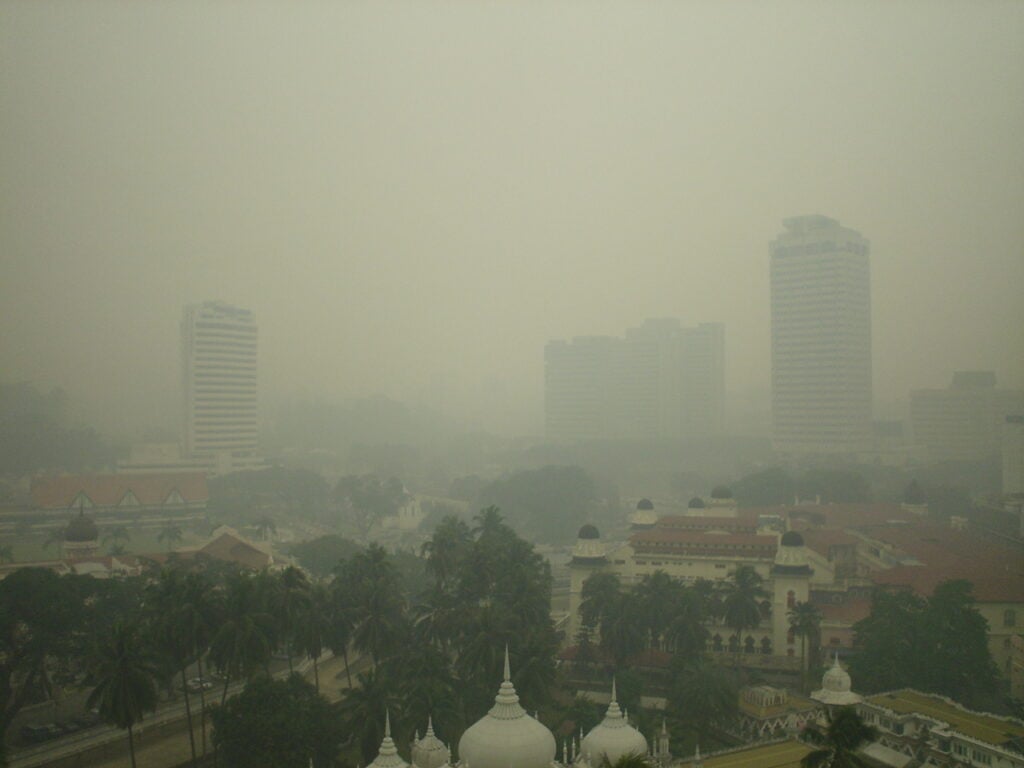
The 2005 Malaysian haze was one of the worst on record, with the Air Pollution Index reaching above 500.
Image via Servus (Wikipedia)Staying indoors is your first line of defence
However, it's not as simple as just staying indoors. There are a few things you need to consider before calling it safe.
For example, sitting inside a house with leaky windows won't protect you much if outside air is getting in.
Keep all doors and windows tightly shut during peak haze hours. If you notice visible gaps under your main door, block them with a damp towel or door seal tape.
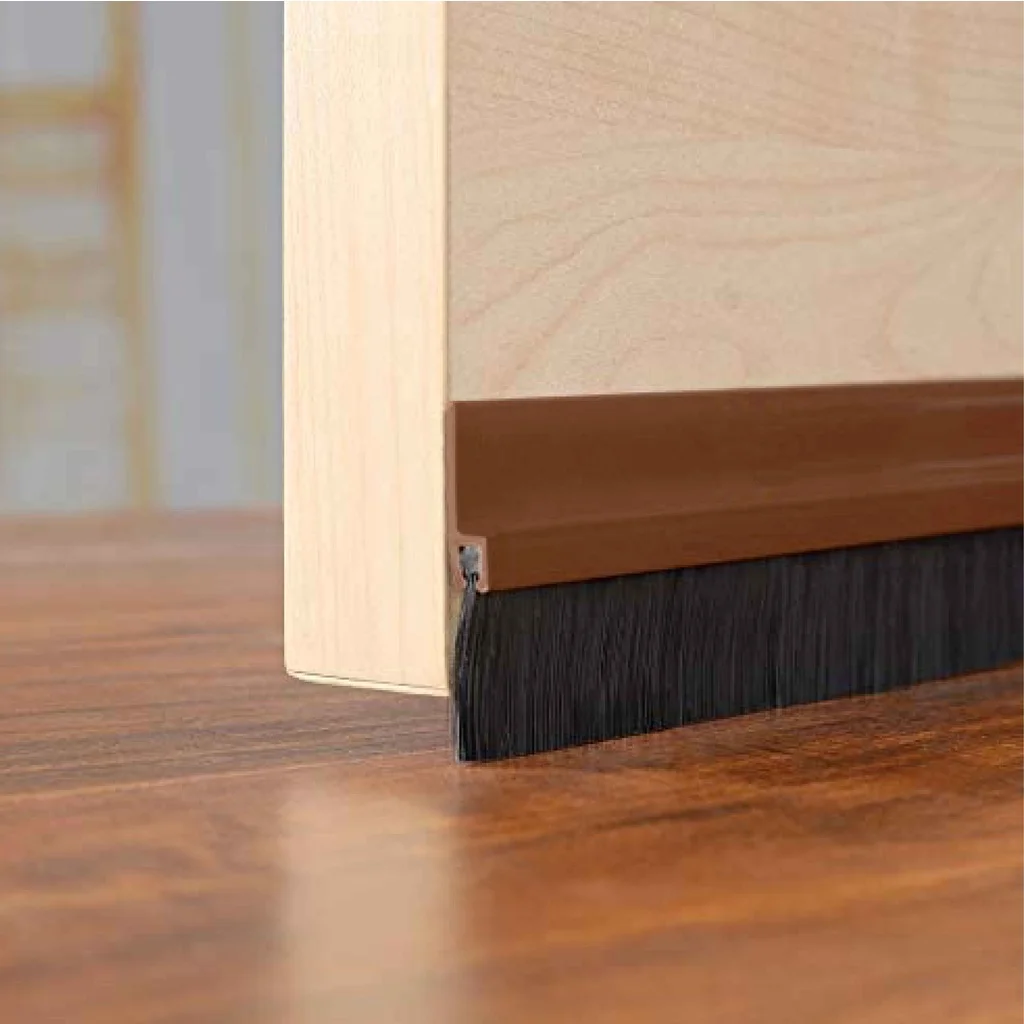
A brush door seal.
Image via Aik Huat HardwarePosition a portable air purifier equipped with a HEPA filter in the room where you spend the most time, usually the bedroom or living room
A HEPA filter can trap at least 99.97% of tiny airborne particles as small as 0.3 microns.
It cleans the air by forcing it through a dense mat of fibres that captures microscopic debris like dust, pollen, pet dander, mould spores, and some bacteria.
Make sure the filter is clean, as a clogged filter can reduce the purifier's airflow and effectiveness.
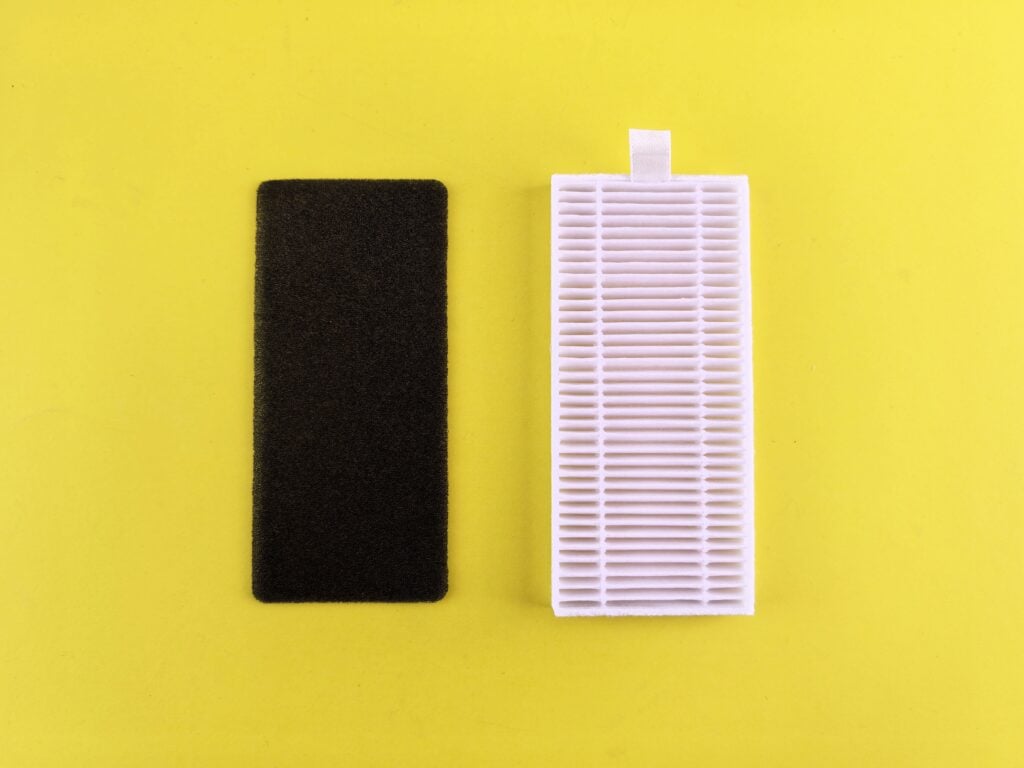
A rectangular HEPA filter.
Image via Andrey Matveev/PexelsWhen cleaning the house, ditch the broom.
Sweeping can kick settled PM2.5 dust back up into the air. Instead, use a wet mop or damp microfibre cloth to trap dust without stirring it up.
PM2.5 refers to tiny fine particles measuring 2.5 micrometres or less in diameter, about 30 times smaller than a human hair.
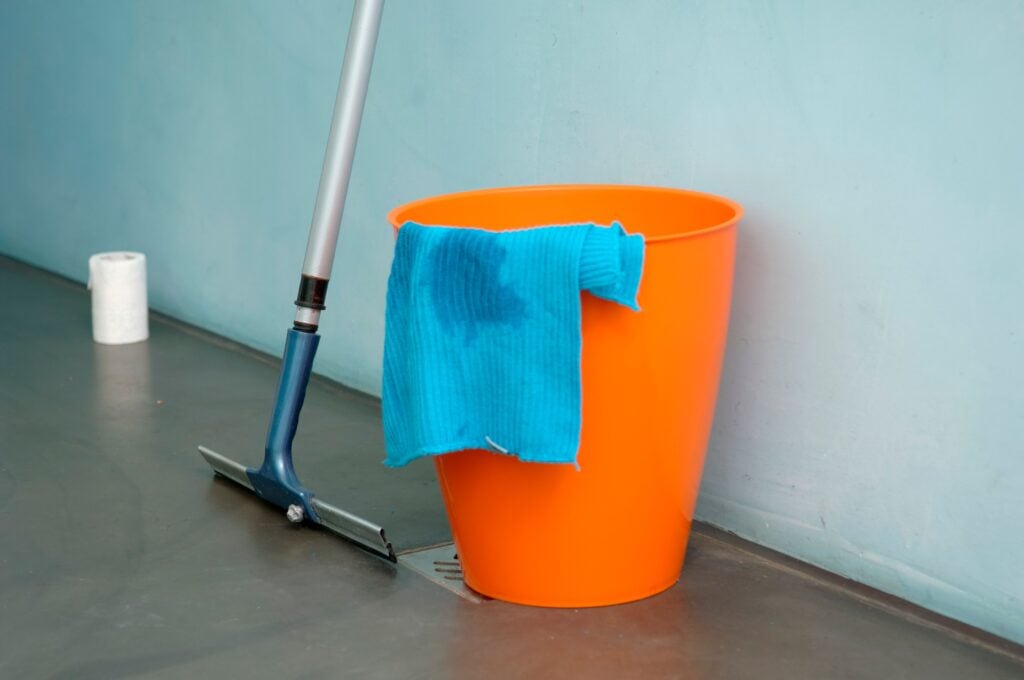
A wet mop or microfibre cloth can help trap more particulates than sweeping or vacuuming.
Image via BOOM Photography/PexelsAvoid contributing to indoor air pollution as well
Skip burning scented candles or incense, and avoid heavy oil frying in the kitchen for a few days.
Vaping indoors can also further worsen your indoor air quality.

Image used for illustration purposes only.
Image via Leonardo Desablo/PexelsSometimes you just have to go to work, head to class, or buy groceries
When stepping outside, there are a few things you can do to reduce your exposure to haze.
Upgrade your mask, as surgical masks won't cut it
Standard surgical masks or fabric masks are not designed to provide the same level of protection against fine PM2.5 haze particles as respirators.
Switch to a well-fitted N95, KN95, or KF94 respirator. It should form a snug seal around your nose and mouth to effectively filter fine particles.
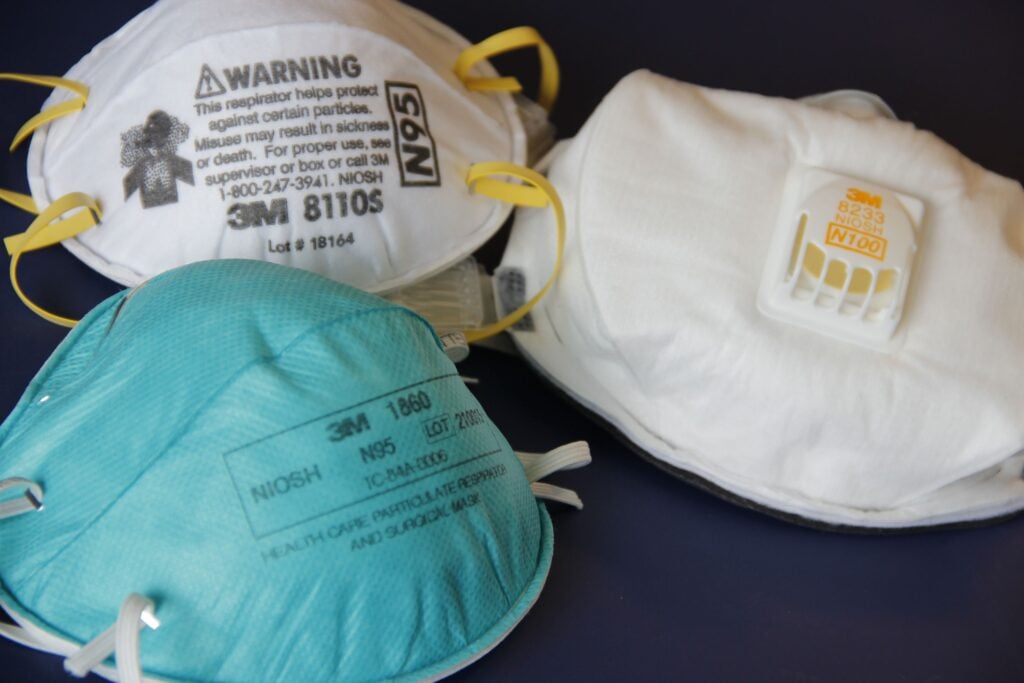
Some examples of N95 masks. These respirators can filter tiny particles, while surgical masks are primarily designed to block droplets.
Image via CDC/PexelsThe car isn't a safe spot either
Make sure your car's air conditioning system is set to internal recirculation mode as soon as you start the engine, so you aren't continuously drawing in exhaust and haze while stuck in traffic.
Pause the outdoor workouts
When the Air Pollution Index (API) crosses 100 into the "Unhealthy" zone, swap your outdoor evening jog or futsal match for an indoor workout.
Heavy breathing during exercise can cause you to inhale more polluted air, increasing your exposure to fine particles.
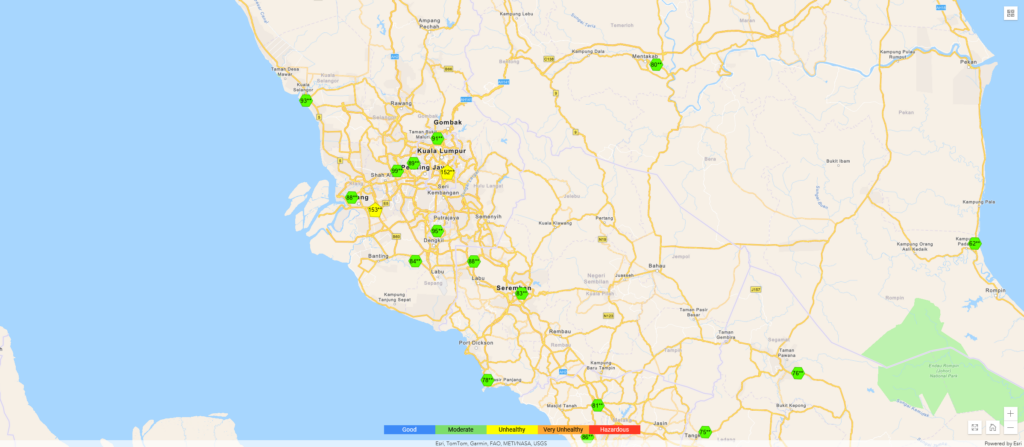
Wash up immediately when you get home
When you get home, change out of your outside clothes, toss them in the laundry, and take a quick shower.
Rinse your face and eyes with clean water to remove any lingering particles.
Keep an eye on the numbers
Stay updated by checking the Air Pollutant Index Management System (APIMS) website or downloading the official MyIPU app.
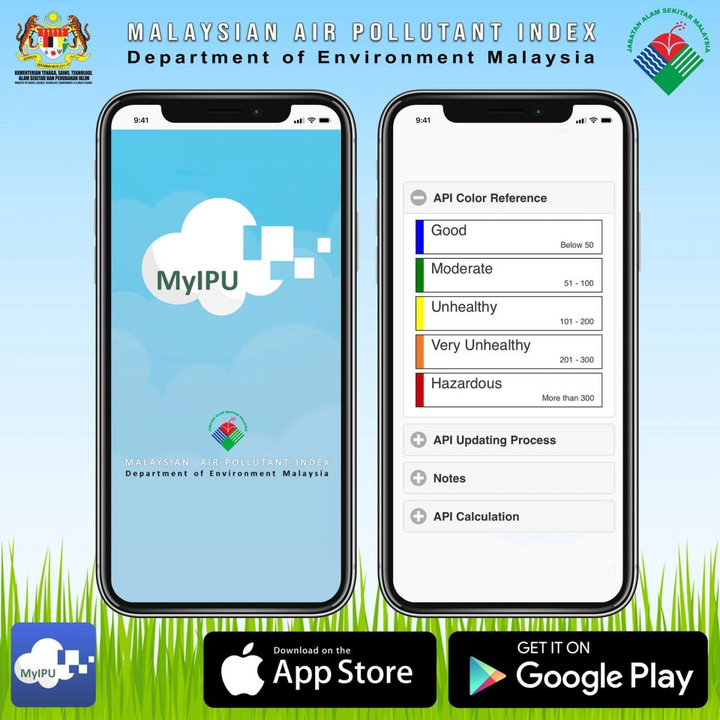
If the API reading in your area hits above 100, high-risk groups such as kids, senior citizens, pregnant women, and people with asthma should minimise the time they spend outdoors.
Last but not least, don't forget to stay hydrated
Drink plenty of water throughout the day to stay hydrated and keep your throat moist.
If you start experiencing chest tightness, difficulty breathing, or a persistent or severe cough, do not hesitate to seek medical attention at a nearby clinic.