
Works Minister: Malaysia To Build Fewer Highways In Shift Towards Integrated Transport
He said road networks must evolve to become smarter, more integrated, and better connected.


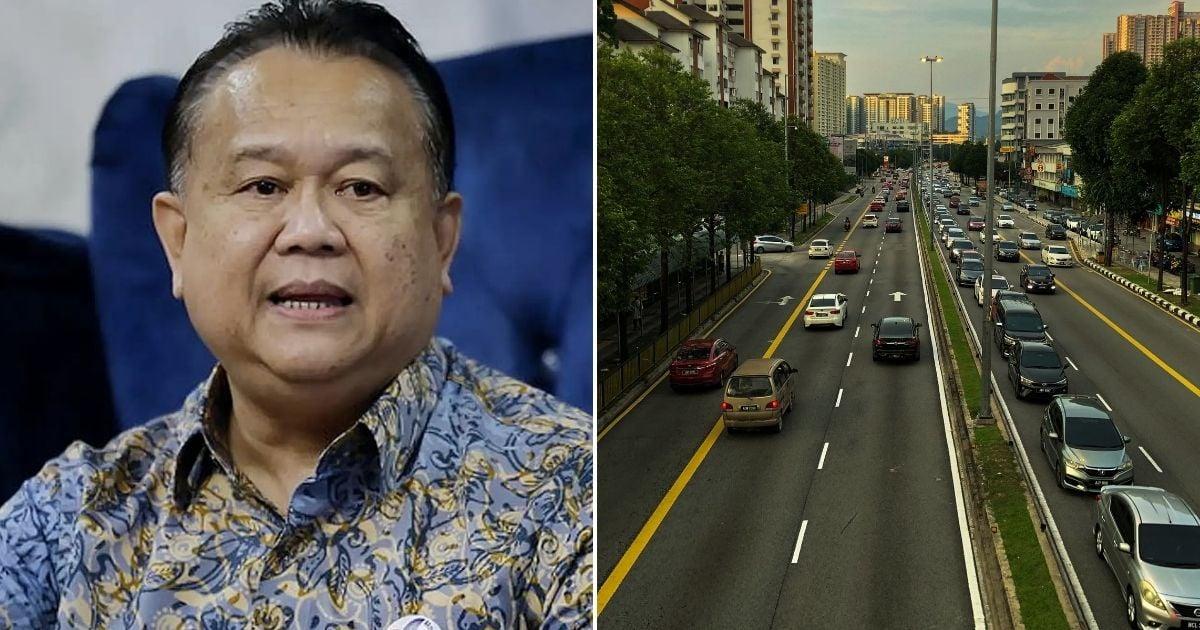 Cover image via
 Follow us on Instagram, TikTok, and WhatsApp for the latest stories and breaking news.
Malaysia's national highway network will remain a key part of the country's infrastructure and economy, but the days of building new roads as the default solution to traffic congestion are numbered
Works Minister Datuk Seri Alexander Nanta Linggi said while highways will remain, the pace of new construction must slow as alternative transit options mature.
Instead, he said existing road networks must evolve to become smarter, more integrated, and better connected to the wider public transport ecosystem to ease urban congestion, as reported by the New Straits Times.
Speaking on long-term infrastructure planning, Nanta noted that it is unrealistic to expect the country to completely outgrow its reliance on roads over the next 50 years
However, he said the long-term solution lies in establishing a comprehensive and efficient public transport system that offers Malaysians a genuine alternative to driving.
He added that this alternative must be affordable, convenient, and safe; otherwise, commuters will naturally continue to rely on private cars and motorcycles.
Addressing the long-running debate over tolls, the minister stressed that abolishing tolls entirely is financially unfeasible for the government. He said removing tolls would shift a multi-billion-ringgit maintenance burden onto the federal government, diverting funds from essential services such as hospitals, schools, and rural infrastructure.
Going forward, he said the preferred financial model will involve concessionaires that no longer need to impose high rates to service debt, ensuring that the government is not directly burdened with road maintenance costs.
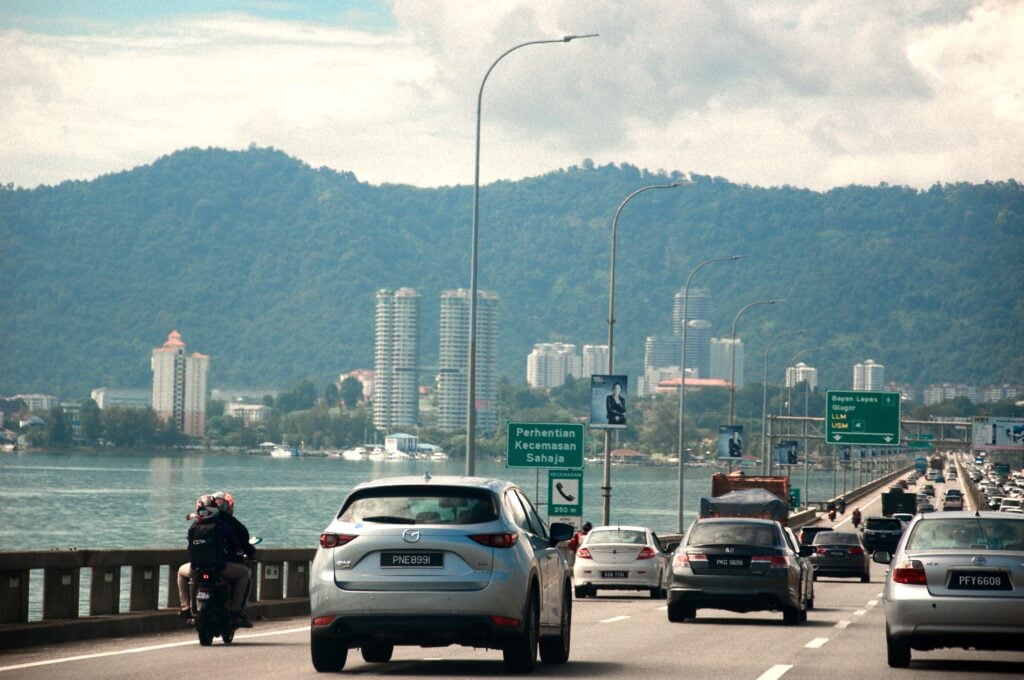
Image used for illustration purposes only.
Image via Mithesh Aryavaria Kumar/PexelsAs other modes of transit mature, they will naturally act as catalysts for localised economic activity along their respective corridors
Nanta pointed to the East Coast Rail Link (ECRL) and Sarawak's cross-interior rail development plans as examples of how Malaysia's mobility future will feature a balanced mix of transport modes rather than a single dominant system.
To achieve this blueprint, the minister acknowledged that long-range planning and coordination between the Ministry of Works and the Ministry of Transport could be enhanced, particularly since public transport planning remains heavily fragmented outside the Klang Valley.
He also expressed a strong desire for deeper inter-agency collaboration to craft a seamless, highly detailed national public transit master plan.
This transition towards a cohesive ecosystem is heavily supported by the national Intelligent Transport System (ITS) Blueprint 2030, which aims to dismantle isolated, siloed traffic management systems
Of the blueprint's four strategic pillars, Nanta identified data-driven mobility and transport planning as the most pressing challenges, emphasising that proper planning is impossible without a rigorous focus on real-time data.
The main challenge, he said, is not the availability of technology but ensuring that disparate systems across federal agencies, state governments, local authorities, concessionaires, and enforcement bodies can seamlessly communicate.
According to the TomTom Traffic Index 2025, Kuala Lumpur's baseline congestion level stands at 43%, placing the city 172nd on the list, underscoring the need for automated traffic management.
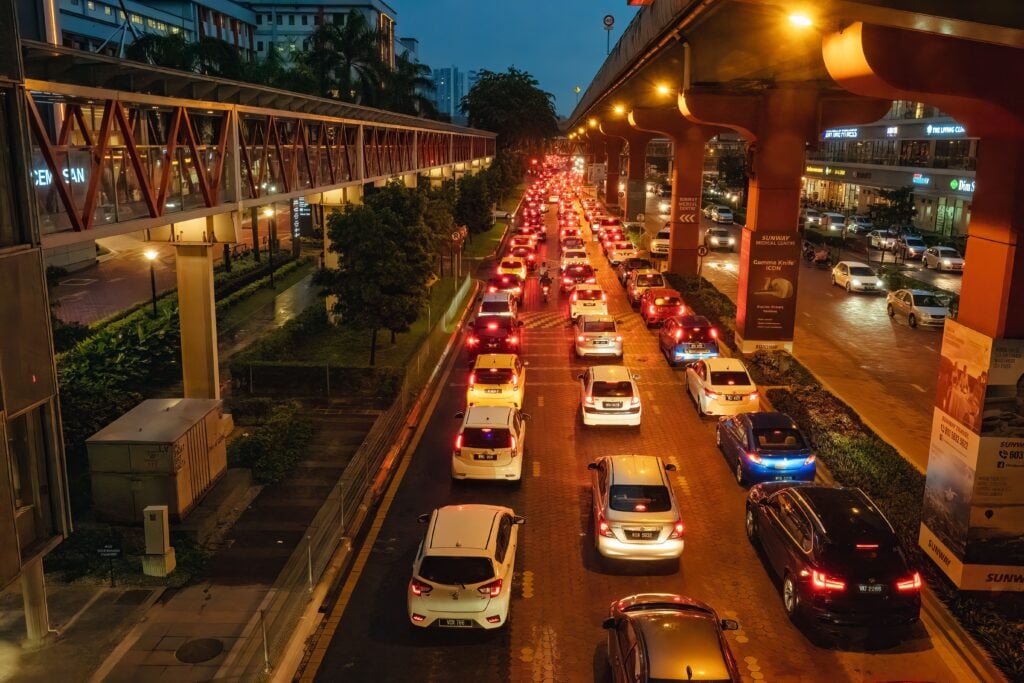
Image used for illustration purposes only.
Image via Tom Fisk/PexelsThe real-world benefits of data-driven safety are already visible through Malaysia's collaboration with Bloomberg Philanthropies under the Bloomberg Initiative for Global Road Safety
A successful pilot Safe School Zone project at SJK(T) Ladang Gadong in Banting successfully reduced vehicle speeds by up to 22% near the school gates, effectively eliminating dangerous accidents involving schoolchildren.
Ultimately, Nanta maintained that intelligent transport technology must always serve the people, focusing purely on delivering safer journeys, shorter travel times, and an elevated quality of life.
