
Singapore COVID-19 Cases Surge To 12,700. What It Means For Malaysians
Current vaccines remain effective against the circulating variants.


 Cover image via
 Follow us on Instagram, TikTok, and WhatsApp for the latest stories and breaking news.
Singapore has recorded a sharp increase in COVID-19 infections, with estimated number of cases rising to 12,700 for the week of 10 to 16 May.
This marks a significant jump from the 8,000 cases reported in the previous week. The Communicable Diseases Agency (CDA) confirmed in a statement on 21 May that it is closely monitoring this upward trend, according to The Straits Times.
The surge in infections has led to a modest increase in clinical severity markers
The average number of daily COVID-19 hospitalisations rose from 56 to 73 during the same period, along with one ICU admission.
Public acute hospitals are reported to currently have sufficient capacity to manage the increased patient load.
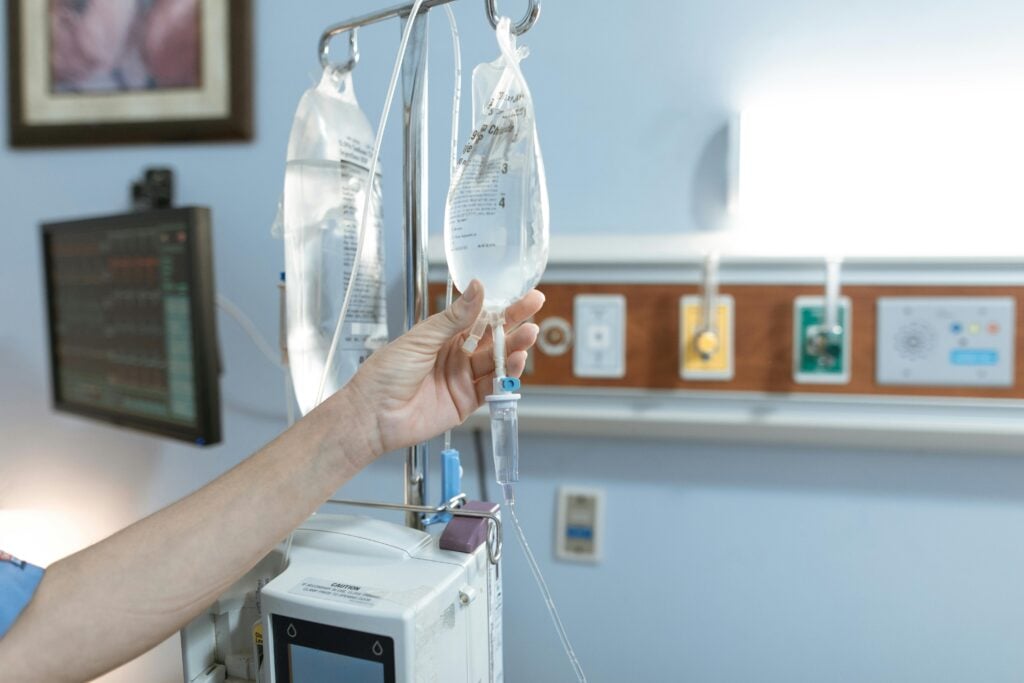
Image used for illustration purposes only.
Image via RDNE Stock Project/PexelsThe CDA identified the NB.1.8.1 variant — a descendant of the JN.1 strain — as the primary driver of the current wave, accounting for more than half of all locally sequenced cases
The agency noted that the increase in infections may be attributed to several factors, including waning population immunity.
Critically, the CDA stated there is currently no indication that locally circulating variants are more transmissible or cause more severe disease than previous strains.
Periodic waves are expected to continue as COVID-19 remains endemic alongside other respiratory diseases.
Current vaccines remain effective against the circulating variants
With thousands of people commuting daily between Johor and Singapore, the rise in cases underscores the importance of maintaining personal health protocols.
Malaysians travelling to the island republic should be aware that periodic waves are an expected part of the endemic landscape and not an indication of increased severity.
The dominance of the NB.1.8.1 variant in Singapore suggests that this strain may already be present or soon to be prevalent in the region
As it accounts for more than half of Singapore's sequenced cases, Malaysian health authorities are expected to monitor any similar trends in local data.
Fortunately, current vaccines remain effective against this dominant strain, providing a continued layer of protection for the population.
