
What You Cannot Post Online During An Election
If in doubt, just don't post it.


 Cover image via
 Follow us on Instagram, TikTok, and WhatsApp for the latest stories and breaking news.
It's common to see everyday Malaysians discussing politics online
But especially during election season, it's important to take note of what you can and cannot post. Even seemingly harmless social media posts can still create legal risks, if you aren't careful about it.
As a general rule, avoid posting anything that exposes your vote, spreads false election information, threatens voters, offers benefits for votes, defames candidates, or continues campaign activity where it is not allowed.
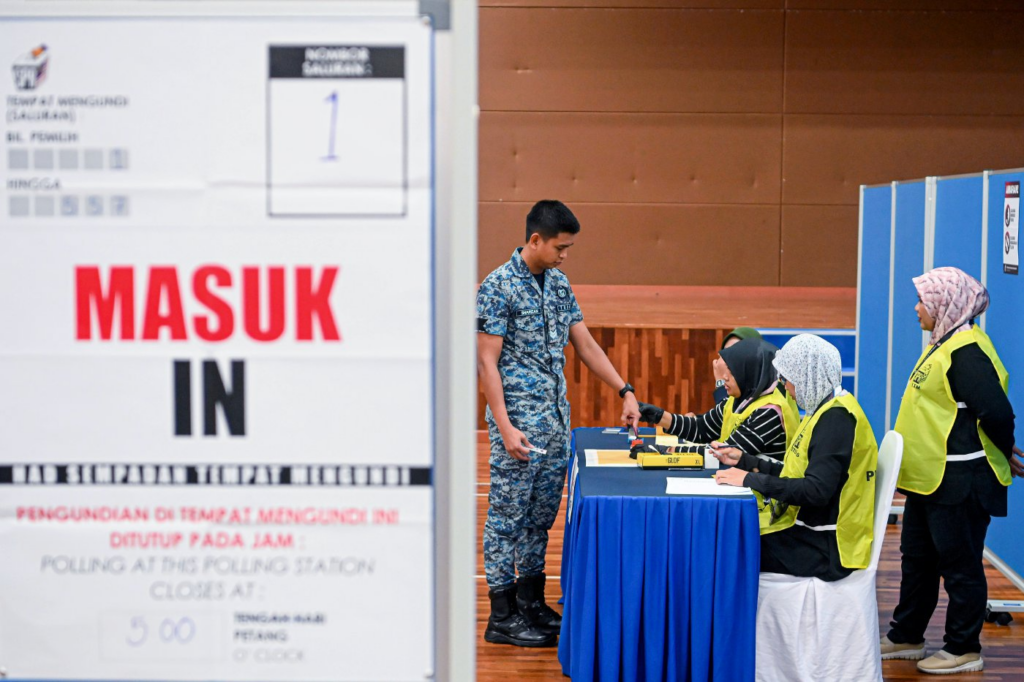
This matters because Malaysia's Election Offences Act 1954 covers offences such as maintaining voting secrecy, bribery, treating, undue influence, false statements about candidates, and polling day restrictions.
The Malaysian Communications and Multimedia Commission (MCMC) has also warned social media platforms to curb false election-related information, especially on polling day.
Here's a list of what you cannot post online during an election:
1. Do not post photos of your marked ballot paper

Your vote is supposed to be secret. Posting a ballot selfie or showing your marked ballot can interfere with ballot secrecy and may create legal risk. It can also encourage pressure politics, where people are asked to prove who they voted for.
2. Do not post fake election results
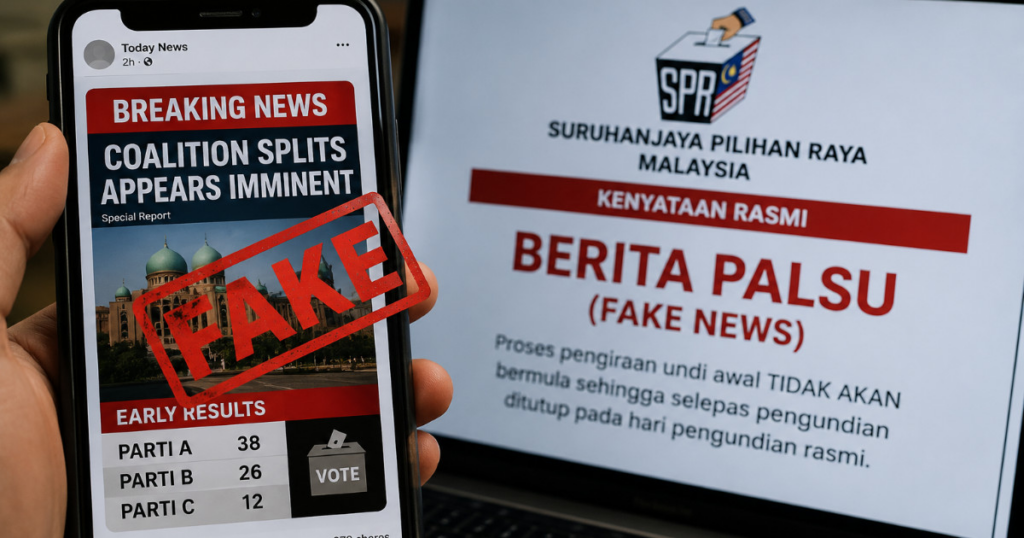
Do not share unofficial results as if they are confirmed. During an election, fake result graphics, edited screenshots, old results, and false claims can spread quickly. If a result has not been confirmed by the Election Commission (EC), or Suruhanjaya Pilihan Raya Malaysia, do not present it as official.
MCMC has specifically flagged the risk of false election information on polling day.
3. Do not post false claims about candidates
False statements about a candidate can carry legal risk. The Election Offences Act covers certain false statements about a candidate's personal character or conduct. It also covers false claims that a candidate has withdrawn from an election. Before reposting a claim about a candidate, check whether it comes from a credible source.
4. Do not post offers that link money, gifts, jobs, favours, food, transport, or benefits to voting support

Vote buying and bribery are election offences. Treating, which can involve food, drinks, entertainment, or hospitality used to influence voters, is also covered by election law. Even if a post is framed casually, offering rewards for people to vote, not vote, or support a candidate can create serious legal risk.
5. Do not threaten or pressure voters online
Do not post threats, intimidation, or pressure aimed at how someone votes. Voters should be able to choose freely. Online threats, harassment, workplace pressure, community pressure, or posts warning people of consequences for voting a certain way can fall into risky territory. This includes pressuring people to reveal who they voted for.
6. Do not post content that promotes hostility to influence voting

Election-related posts that stir hostility between groups can create legal risk. Section 4A of the Election Offences Act deals with statements or actions that promote ill-will, discontent, or hostility between groups of people in connection with an election.
7. Do not campaign where or when campaigning is restricted
Election law restricts campaign activity around nomination day, polling day, and polling centres. Online campaign posts can also become risky if they are used to continue campaign activity during restricted periods or to coordinate prohibited behaviour near polling stations.
8. Do not post misleading campaign material without proper details
The Election Offences Act covers certain campaign advertisements, handbills, placards, and posters that do not include required printer and publisher details. For online users, the practical takeaway is simple: Do not create or spread anonymous campaign material that looks official, misleading, or designed to deceive voters.
9. Do not share unverified voting information
Be careful with posts about polling centres, voting times, procedures, or voter eligibility. Wrong information can cause people to miss voting, go to the wrong place, or misunderstand the rules. Before sharing voting instructions, check official sources such as the EC, MySPR Semak, or credible news outlets.
Frequently asked questions
Can I post who I voted for?
You should not post a photo of your marked ballot paper. You may talk about politics generally, but avoid anything that exposes your ballot or proves your vote.
Can I post a ballot selfie?
You should not post a selfie showing your marked ballot paper because it can interfere with ballot secrecy.
Can I share election results from WhatsApp?
Only share results if they come from official or credible sources. Do not present forwarded screenshots as confirmed results.
Can I criticise a candidate online?
You can discuss politics and criticise candidates, but avoid false statements, defamatory claims, threats, or posts that promote hostility.
Related election guides
- How To Check Your Voter Status, Voting Place, And Constituency In Malaysia
- How To Check Your Polling Station, Saluran, And Voting Details Online
- Why Is My Voting Place Different From Where I Live?
- What To Do If Your Voter Details Are Wrong In MySPR
- How To Check Your Parliamentary Seat And DUN Seat Before Voting
- When Is The Next Election? Here Are The Deadlines For Every State And Federal Poll In Malaysia
- What Disqualifies Someone For Voting In Malaysia?
Last updated: 10 Aug 2026
