
From Better Trains To Digital Road Tax: 11 Things Anthony Loke Achieved As Transport Minister
From more reliable trains and cheaper commutes to fewer trips to JPJ, here is what changed during his time in office.


 Cover image via
Follow us on Instagram, TikTok, and WhatsApp for the latest stories and breaking news.
For many Malaysians, Anthony Loke's transport record is something they have experienced on their phones, at train stations, or while planning a trip home
Loke, who is also DAP secretary-general, resigned as transport minister on Tuesday, 10 November, following the court order allowing former prime minister Datuk Seri Najib Razak to serve the remainder of his SRC International sentence under house arrest.
He said his resignation was a matter of principle, adding, "This decision upholds the principles and stance that I have explained previously."
His departure brought his second stint at the ministry, which began in December 2022, to an end.
Here are some of the changes delivered during Loke's second term, plus a quick look at newer policies and his earlier tenure:
1. More reliable trains, shorter waits
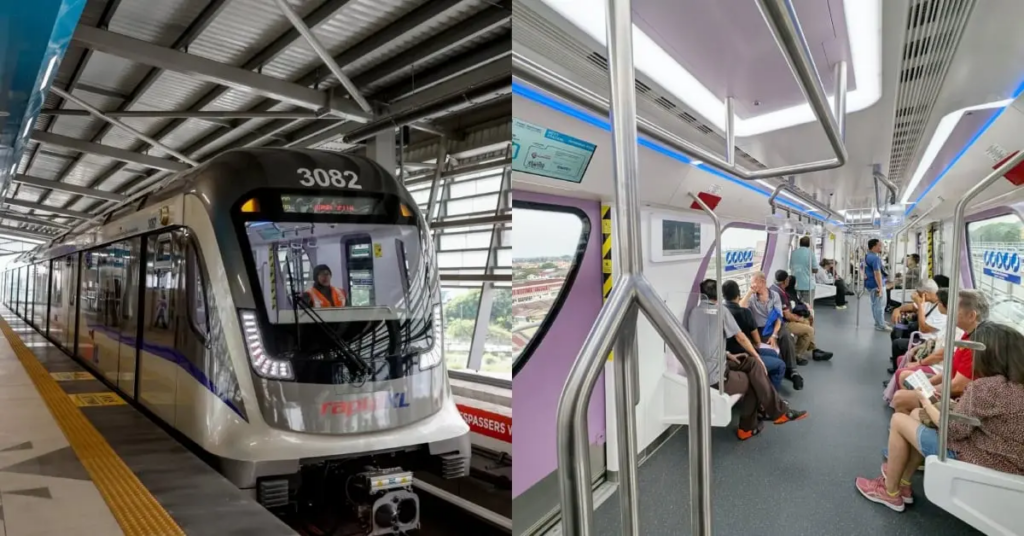
According to Prasarana's figures, annual service disruptions fell from 118 in 2023 to 71 in 2024, then 31 in 2025, reported The Star.
Last year achieved a 56% drop in rail disruptions, with one technical disruption for every 790,000km of travel across the Kelana Jaya Line, Ampang Line, Kajang Line, Putrajaya Line, and Monorail.
There were shorter waits too. By December 2023, Prasarana reported that the Kelana Jaya LRT Line was operating at an average three-minute frequency with 48 trains, said Prasarana in a statement.
That said, breakdowns have not disappeared, and commuters' frustration when they happen has not either.
"We have seen improvement, but of course not zero defects," said Datuk Ir Dr Ahmad Farhan Mohd Sadullah, Honorary Professor at the School of Civil Engineering at Universiti Sains Malaysia, in an interview with BFM.
2. Cheaper everyday journeys, and more convenience
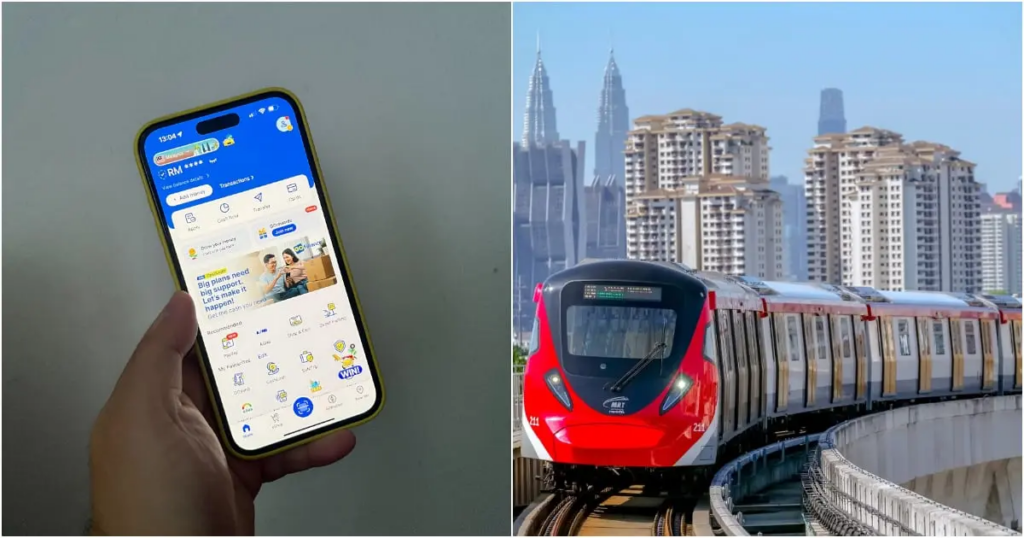
Introduced in 2019, the initial unlimited monthly public transportation pass was priced at RM100 before his successor, Datuk Seri Dr Wee Ka Siong, reduced the price to RM50 in 2021.
To continue the initiative, in June last year, Loke introduced an easier method to renew the My50 unlimited-travel pass, allowing commuters to renew it through Touch 'n Go eWallet.
Registered Malaysian persons with disabilities also gained free travel on Prasarana-operated trains and buses from 1 February 2024. Introduced as OKU Smile, the scheme is now called Rapid Mesra.
3. ETS finally reached JB, completing the electric rail link from Perlis to Johor
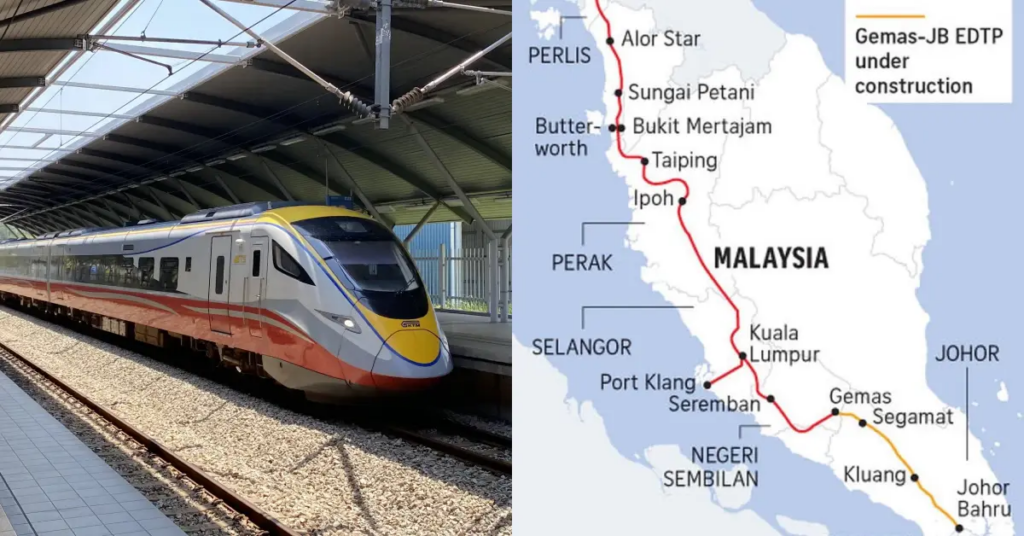
New Electric Train Service (ETS) 3 trains entered service during Loke's tenure, while the completion of the 192km Gemas–Johor Bahru electrified double-track project filled the final southern gap in the electric railway connecting Padang Besar, Perlis, to JB.
KL Sentral–JB Sentral services began on 12 December 2025, followed by direct Padang Besar–JB services on 1 January 2026.
The train service cuts travel time between cities, with a top speed of 160km/h. With the rollout, typical travel times are:
- KL Sentral to Padang Besar: about 5 hours 30 minutes
- KL Sentral to Ipoh: about 2 hours 30 minutes
- KL Sentral to Butterworth: around 4 hours
The new ETS3 trains expanded electric intercity travel into southern Johor, giving passengers another way to travel without highway traffic
4. More ways to pay at KTM
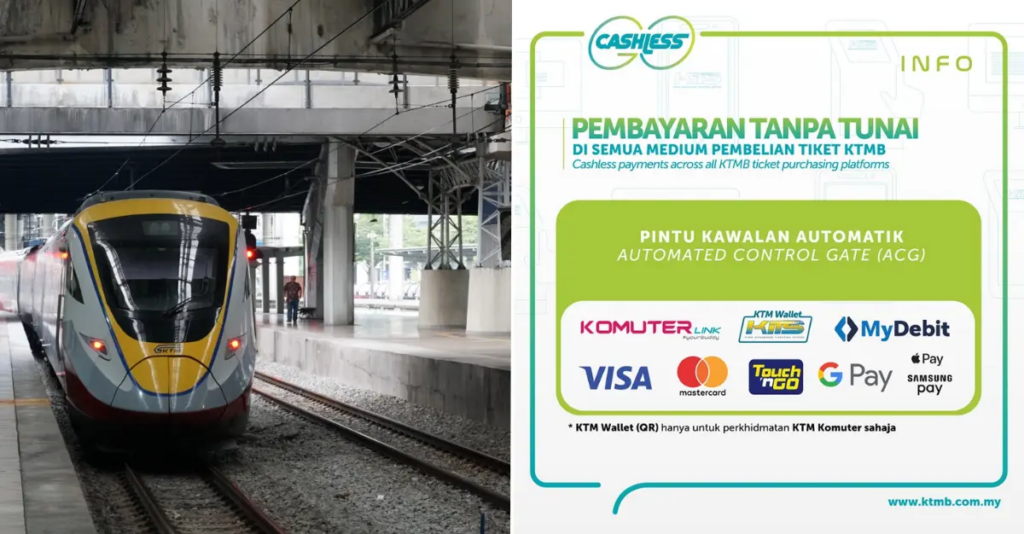
For KTM Komuter passengers, there was another welcome change. Since January 2025, they have been able to pay for their rides with debit or credit cards, Google Pay, Apple Pay, or Samsung Pay.
Loke initially launched the open-payment system in February 2024, covering 80 stations in the Klang Valley and northern region. KTMB funded the project internally.
This widened payment choices beyond Touch 'n Go.
Rapid KL introduced bank-card payments at station counters in 2024. However, direct bank-card tapping at LRT and MRT fare gates remained a separate, unfinished rollout.
5. Rapid KL On-Demand vans help solve the last mile connectivity
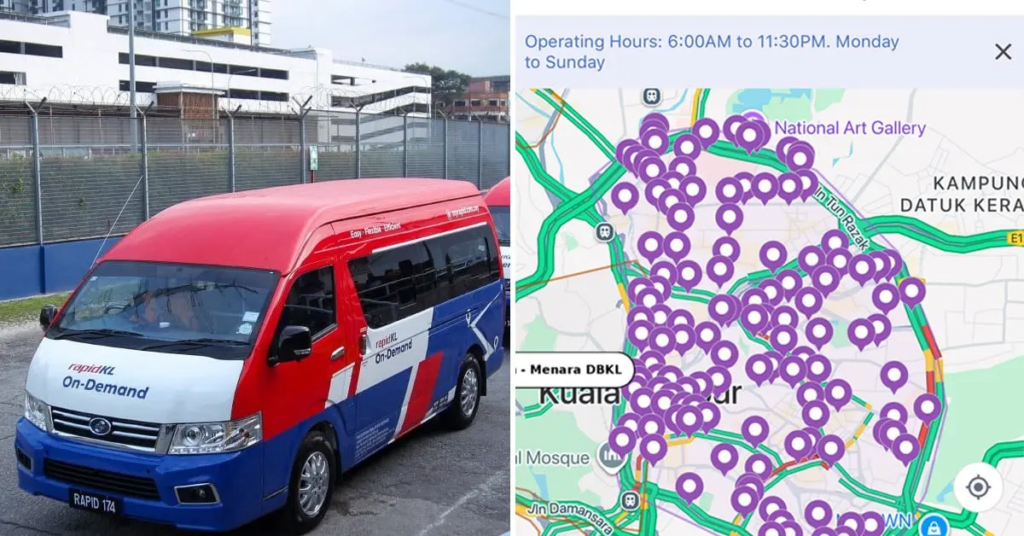
Getting to a station can be the hardest part of taking public transport.
Rapid KL On-Demand helps address that gap through bookable vans serving designated zones, connecting neighbourhoods with stations and other destinations.
Prasarana introduced the service as Demand Responsive Transit in May 2023, before rebranding it as Rapid KL On-Demand in February 2025. It developed from an alternative for lower-demand bus routes into a service supporting wider transport connections.
It does not reach every neighbourhood. But it is a practical response to the last mile connectivity issue.
Learn more about the service here.
6. JPJ goes digital: driving licences & road tax move online
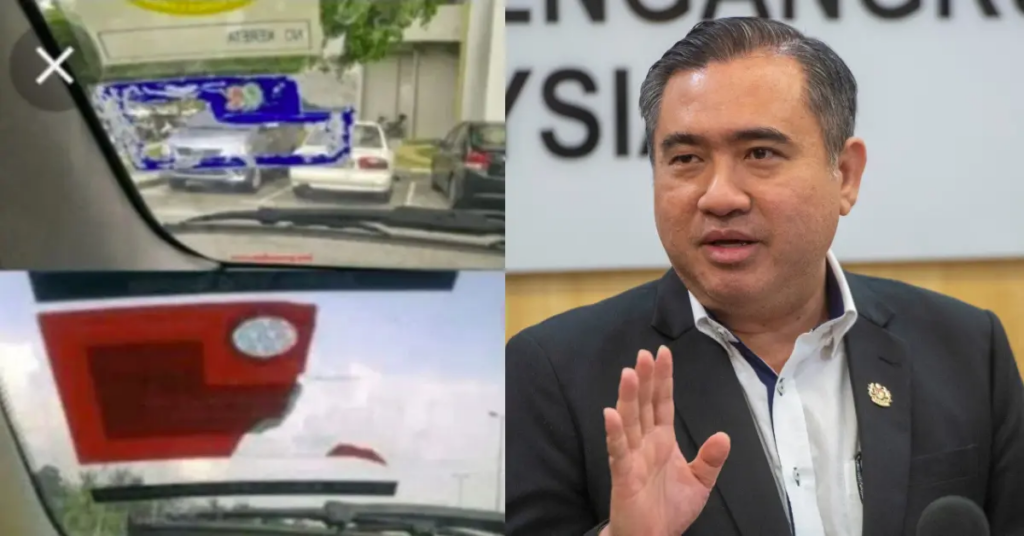
For Malaysian private-vehicle owners, 10 February 2023 marked the start of the shift towards digital road tax and driving licences.
Documents could be accessed through MyJPJ or JPJ's public portal, with renewal functions following in 2024.
There was also less frequent licence renewal to worry about. From May 2023, Malaysians could renew their driving licences for up to 10 years, compared with the previous five-year maximum.
Those choosing the full 10 years received a 10% renewal-fee discount.
These changes made routine paperwork easier to manage, with fewer physical documents and more services available online.
7. Cheaper flights home, and stronger refund rights
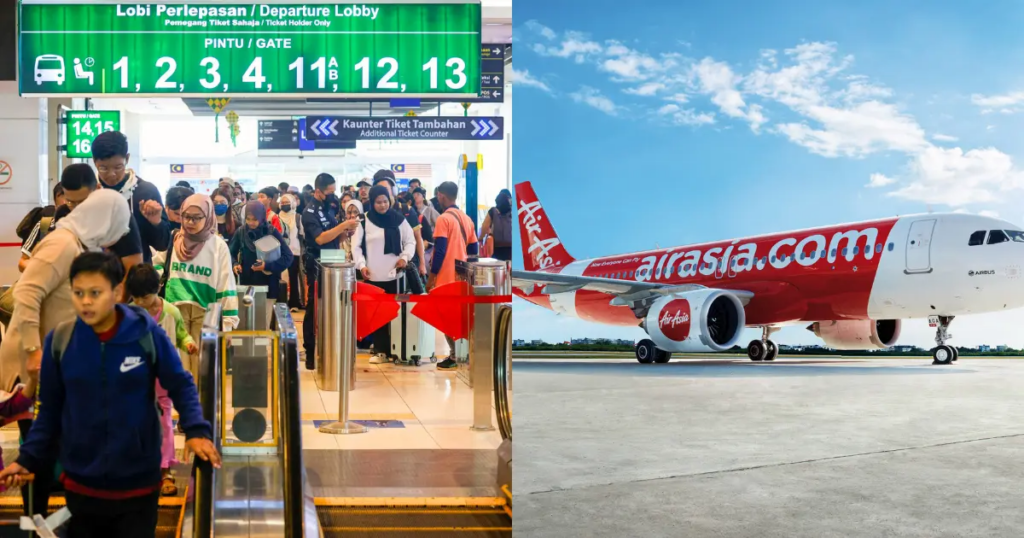
Under Loke's leadership, one aviation initiative with a direct benefit for families was FLYsiswa.
Introduced in 2023, it aims to help eligible students pay for qualifying flights between their places of study and home regions.
The programme expanded in 2026, offering eligible students RM400 digital vouchers. Budget 2027 proposed to increase the flight ticket subsidy to RM500 next year.
Air passengers also gained stronger refund rights through the 2024 reforms. When a flight is delayed by five hours or more, passengers can choose a full refund if they decide not to continue their journey.
The refund includes taxes and fees and must be returned through the original payment method within 30 days. Learn more about your rights as a flight passenger here.
8. Better pay and benefits for transport workers
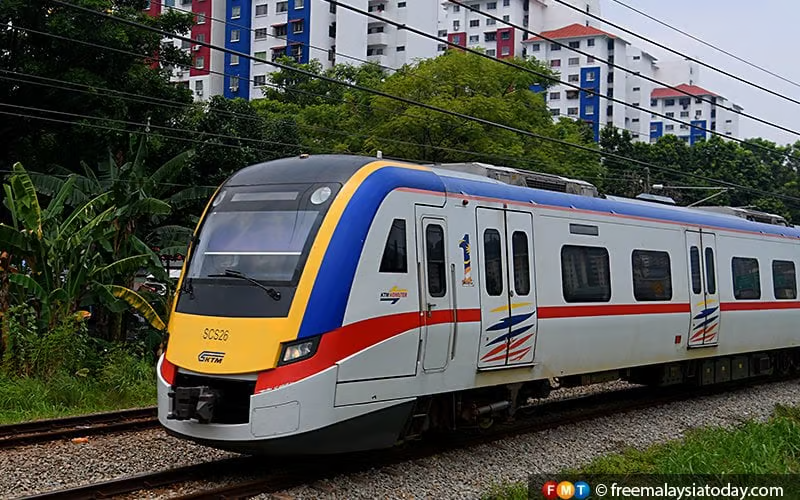
Improvements also reached those who kept public transport running.
A KTMB collective agreement reported by Bernama in March 2023 included Finance Ministry-approved salary adjustments of 12% for non-executive grades 9 and 10, and 15% for grades 11 and 12.
The following month, Loke announced a Prasarana board-approved package covering salary increases, higher shift and bus-driving allowances, better medical coverage, and increased employer EPF contributions for eligible staff, reported Malay Mail.
9. New Penang ferries, and a milestone for Port Klang
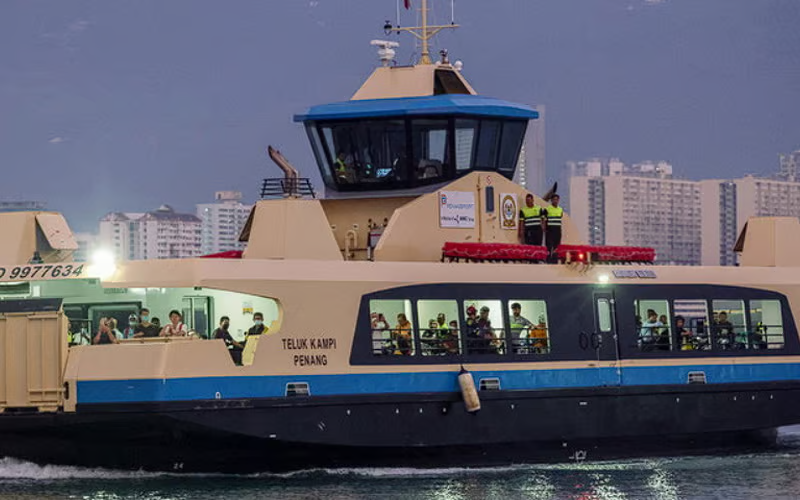
Penang's new ferry operations received an upgrade in August 2023, with passengers beginning to enjoy air-conditioned waiting areas, Wi-Fi, and cashless payments.
The maritime sector also recorded a major milestone: Port Klang entered the world's top 10 busiest container ports in Lloyd's List's 2025 ranking.
The ranking reflected its handling of 14.64 million twenty-foot equivalent units in 2024, according to a Transport Ministry statement.
The achievement reflects the combined work of port operators, workers and government, as well as trade activity, illustrating that transport also supports the wider economy.
10. Other policies introduced or advanced during Loke's tenure
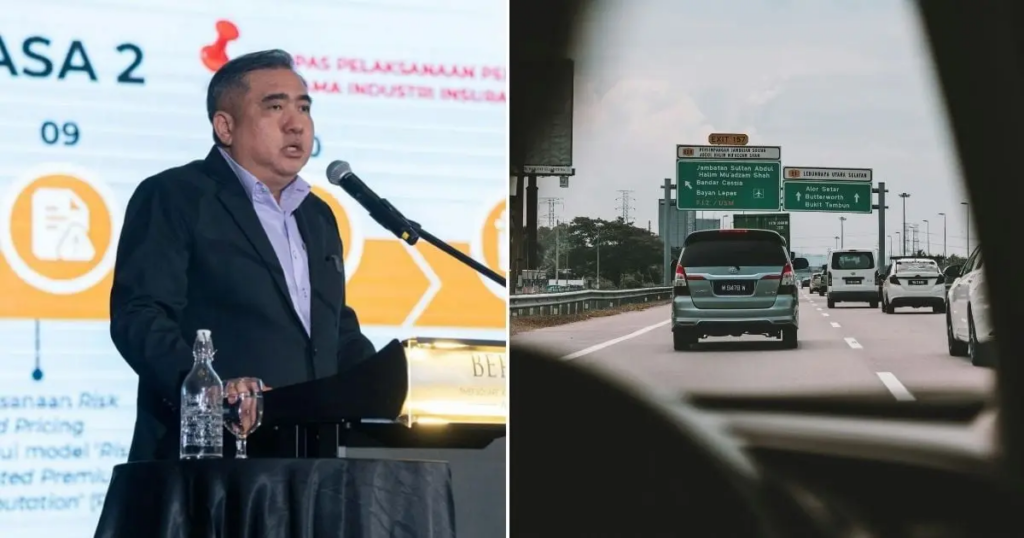
- Insurance rebates: Cermat MADANI offers eligible MyJPJ users an additional rebate of up to 10%, subject to insurers' assessments.
- Specific street-racing offences: Amendments to the Road Transport Act that took effect last month have officially made racing and speed trials on public roads illegal, allowing offenders to be penalised before an accident occurs.
- Speed limiters for buses and lorries: Phased enforcement began in October 2025, requiring eligible buses and lorries be fitted with devices that limit their speed to 90km/h. However, the deadline for fitting devices to older vehicles was postponed, so implementation remains incomplete.
11. Here are some of Loke's achievements during his first term as the transport minister
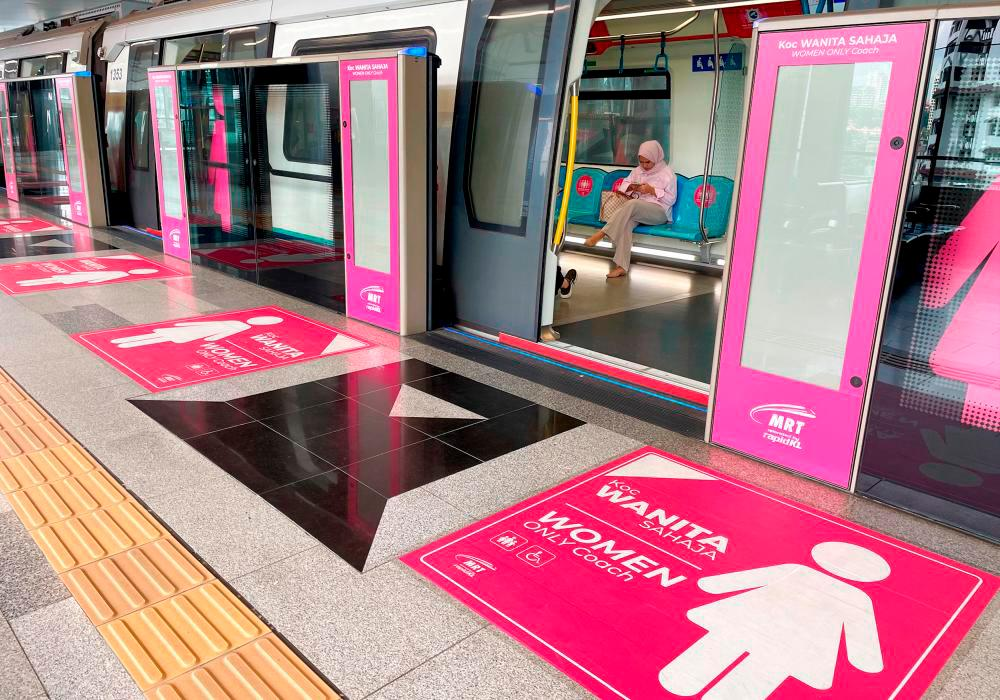
During 2018–2020, his ministry also introduced or developed:
- My100 and the original bus-only My50: Available for travel from January 2019.
- JPJeBid: Bringing vehicle-number bidding online in April 2019
- Implementation of women's coaches in MRT
- Age limit for e-hailing vehicles extended from 10 to 15 years
