
Starting This Month, These New Rules Affect Nearly Every Malaysian
Free ATM withdrawals, a 10-year passport, RM200 appliance rebates, higher traffic fines, and several new laws are among the key changes now taking effect nationwide.


 Cover image via Mohd Rasfan/AFP
Follow us on Instagram, TikTok, and WhatsApp for the latest stories and breaking news.
If you've withdrawn cash from another bank's ATM, renewed your passport, driven on Malaysian roads, or run a business, July brings several major changes that could affect you
From scrapping the long-standing RM1 ATM withdrawal fee to tougher traffic penalties and the rollout of Malaysia's new 10-year passport, multiple new policies and laws have either taken effect or begun rolling out this month.
Here's a breakdown of the biggest changes Malaysians should know.
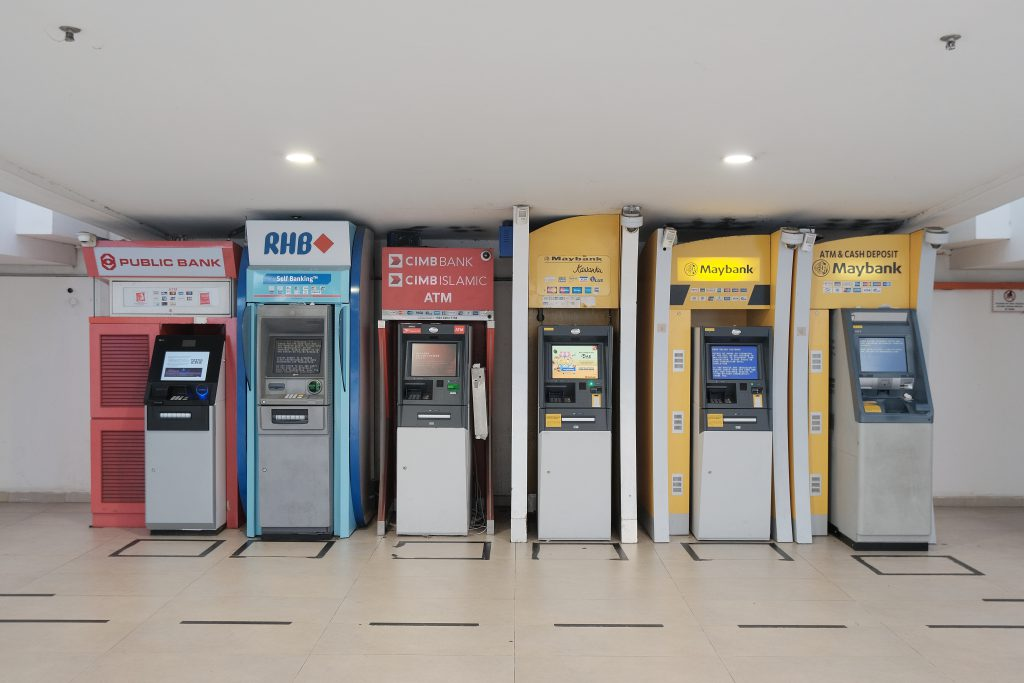
1. You can now withdraw cash from any bank's ATM without paying the RM1 fee
One of the most immediate changes for consumers is the abolition of the RM1 interbank ATM withdrawal fee.
Effective 1 July, debit cardholders can make unlimited cash withdrawals from any bank's ATM or Smart Recycler Machine (SRM) connected to the Malaysian Electronic Payment System (MEPS) without paying extra charges.
The initiative, introduced through a collaboration between the Association of Banks in Malaysia (ABM) and Payments Network Malaysia (PayNet), covers more than 14,000 ATMs and SRMs nationwide.
2. Malaysians can now apply for the new 10-year passport
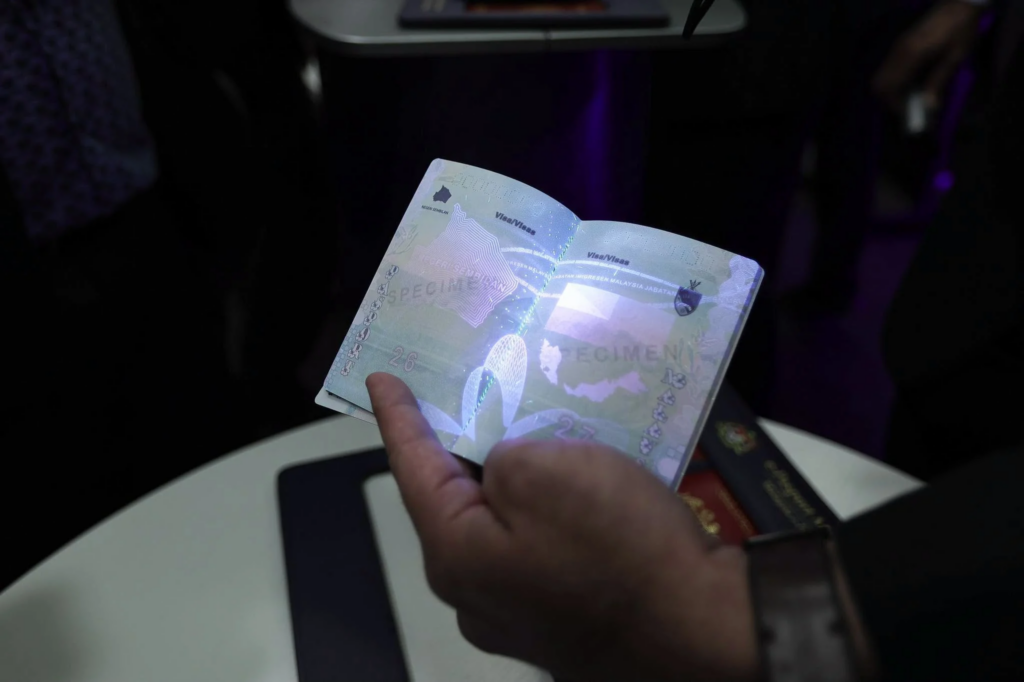
Malaysia has officially begun rolling out its new international passport with a validity of up to 10 years.
Available to citizens aged 18 and above, the passport costs RM350, while the existing five-year passport remains available for RM200.
The new booklet comes with 94 security features to better prevent forgery, tampering, and identity fraud. Immigration offices will introduce it in phases throughout July.
3. Eligible Malaysians can claim RM200 when buying selected refrigerators and air conditioners
The NUR@PETRA 2026 programme is now open.
Under the initiative, eligible domestic electricity account holders can receive an instant RM200 rebate when purchasing Energy Commission-certified four- to five-star refrigerators or air conditioners.
The government has allocated RM32 million for 160,000 rebate units, with claims available through participating physical retailers, as well as on Shopee and Lazada.
The programme operates on a first-come, first-served basis until 31 December 2026, or until the allocation runs out.
4. Students can now redeem their RM100 MADANI Book Voucher digitally
The Ministry of Education has officially launched its digital redemption platform for the 2026 MADANI Book Voucher Programme.
Eligible students and youths can now redeem their vouchers online to purchase academic books and reading materials.
The redemption period runs until 31 October 2026.
5. Traffic offences now come with heavier penalties
Several amendments to Malaysia's Road Transport Act have now taken effect after the Road Transport (Amendment) Bill 2026 was passed in Parliament.
Key changes include:
- The minimum compound for common traffic offences, including speeding, driving without a licence, and allowing an unlicensed person to drive your vehicle, increases from RM300 to RM500.
- Illegal street racing and speed testing are now standalone criminal offences under the new Section 42A, carrying fines between RM2,000 and RM10,000, imprisonment of up to two years, or both.
- Vehicle owners are now legally required to identify who was driving their vehicle when traffic camera offences are recorded, closing the loophole of anonymous drivers.
6. Malaysia has tightened rules for imported electric vehicles
The Ministry of Investment, Trade, and Industry (MITI) has introduced stricter requirements for fully imported completely built-up (CBU) electric vehicles entering Malaysia.
To qualify, imported EVs must meet the following requirements:
- A minimum Cost, Insurance and Freight (CIF) value of RM200,000.
- A minimum power output of 180kW.
The move effectively raises the entry threshold for imported EVs while supporting locally assembled or completely knocked down (CKD) electric vehicle production.
7. Singapore-registered vehicles without a VEP face immediate penalties
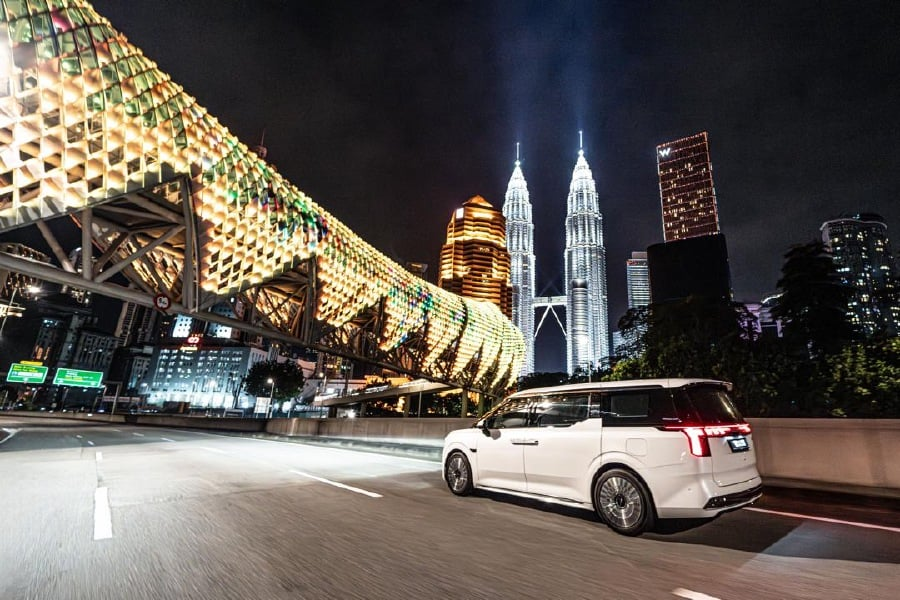
Enforcement of Malaysia's Vehicle Entry Permit (VEP) system has entered a stricter phase.
Foreign vehicles entering from Singapore without a valid VEP RFID tag linked to a Touch 'n Go eWallet can be issued an immediate RM300 compound.
Drivers will also not be allowed to leave Malaysia until the outstanding fine has been settled digitally.
8. Fuel subsidy programmes have been streamlined
The government has consolidated the BUDI Diesel and BUDI MADANI RON95 (BUDI95) subsidy systems into a single ecosystem.
Verification is now carried out directly through MyKad.
Eligible private diesel vehicle owners continue to enjoy subsidised diesel at RM2.10 per litre, while commercial transport operators under the Subsidised Diesel Control System (SKDS) 2.0 pay RM2.15 per litre.
Industrial users and foreigners will continue paying market prices.
9. Businesses face new e-Invoicing requirements
The Inland Revenue Board (LHDN) has expanded Malaysia's phased e-Invoicing rollout.
Taxpayers with annual income or sales of up to RM1 million are now included in the implementation schedule.
Meanwhile, businesses earning between RM1 million and RM5 million annually have been granted a transition period until 31 December 2027, giving them additional time to integrate their systems before penalties apply.
10. EPF no longer accepts contribution payments at physical counters
The Employees Provident Fund (EPF) has stopped accepting contribution payments over the counter nationwide.
Employers and contributors must now make monthly contributions digitally through:
- EPF i-Akaun.
- Internet banking.
- Authorised Self-Service Terminals (SST).
EPF service counters remain open for withdrawals and customer assistance.
11. Kuala Lumpur businesses can now renew licences for up to three years
Business owners under Kuala Lumpur City Hall (DBKL) no longer have to renew their licences every year.
Eligible businesses can now opt for licence renewals lasting up to three years.
To qualify, businesses must have no outstanding compounds or rental arrears with DBKL.
12. Malaysia has introduced tougher cybercrime laws and strengthened anti-bullying protections
Parliament has passed the Cybercrimes Bill 2026, replacing the Computer Crimes Act 1997 with broader powers to tackle modern cyber offences.
The new law allows Malaysia to prosecute certain cybercriminals even if they operate overseas, provided the affected systems are in Malaysia, or the victims are Malaysian citizens.
It also criminalises offences including:
- Non-consensual sharing of intimate images.
- Digital identity and password theft.
- AI-generated deepfake content used to intimidate, harass, or humiliate others.
Certain deepfake offences carry penalties of up to seven years' imprisonment, a fine of up to RM500,000, or both.
Meanwhile, the Anti-Bully Act 2026 is now fully in force across public, private, and government-aided educational institutions.
Among its key provisions is the establishment of a Tribunal for Anti-Bully, which can issue legally binding orders requiring rehabilitation, parental intervention programmes, and compensation of up to RM250,000 for victims.
Check out more related stories on SAYS:
India’s New Air Suvidha 2.0 Mandate Impacts 3 Million Monthly Travellers, Including Malaysians
More than 400,000 Malaysians travel to India annually for tourism, business, family visits, and medical treatment.
