
Your Tyres Could Be Wasting Fuel. Here Are 6 Ways To Stop It
Don't let your money roll away.


 Cover image via
 Follow us on Instagram, TikTok, and WhatsApp for the latest stories and breaking news.
With so much talk about rising oil prices and fuel subsidies, it's easy to get caught up in debates about WFH arrangements, switching to EVs, or switching to public transport as a main mode of commuting
But in the midst of it all, most of us tend to forget about a significant factor affecting our vehicle's daily fuel consumption — our tyres.
Those with a keen understanding of automobiles will already know that tyres can directly affect how much fuel we use
Before diving into any tips or tricks, the main takeaway here is that your vehicle's tyres create resistance while rolling (it's basic science). And the more resistance there is, the harder your engine has to work to move the car forward, which means more fuel consumed.
With this concept in mind, here are six tyre-related factors to consider if you've been stressing out over your vehicle's fuel economy:
1. Your tyre pressure might be costing you more than you think
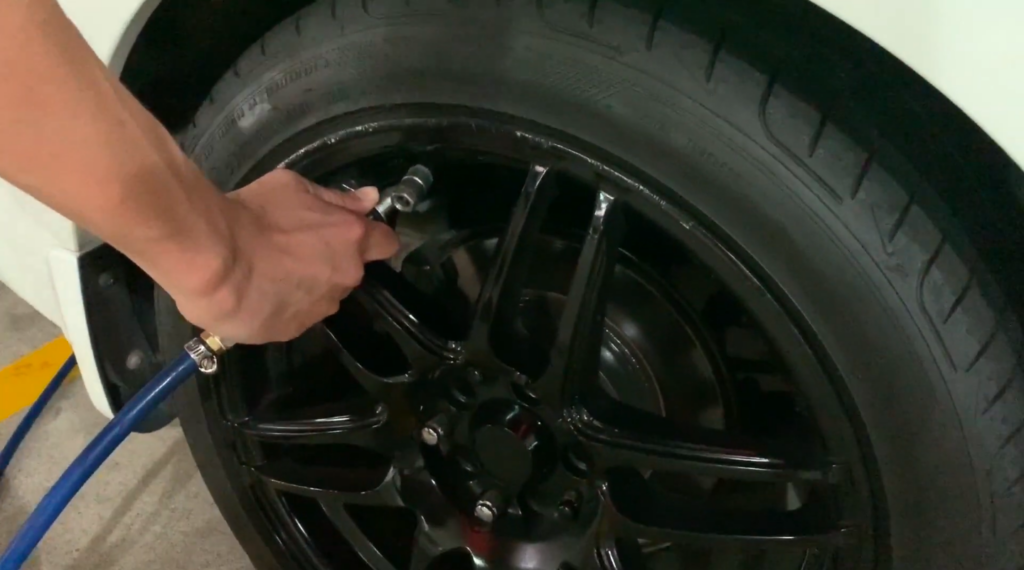
Incorrect tyre pressure amounts are often one of the biggest contributors to poor fuel economy that you might not know about.
Underinflation:
When pressure is too low, the tyre becomes softer and spreads out more on the road. This increases rolling resistance, meaning your engine has to work harder to keep the car moving.
Even a 10–20% drop in pressure can increase fuel use slightly, while severely underinflated tyres can push it up by around 8%.
Overinflation:
When tyres are overinflated, they become too stiff and reduce the contact area with the road. While this can slightly reduce rolling resistance, it also leads to uneven wear and less grip.
In real-world driving, this often results in poorer handling and more frequent small corrections in steering or braking, which can cancel out any minor fuel savings.
According to research, keeping your tyres properly inflated can improve fuel efficiency by around 2% to 3%.
If you want to learn how to inflate your tyres the right way, read this guide.
2. Your tyres might not be designed for fuel efficiency
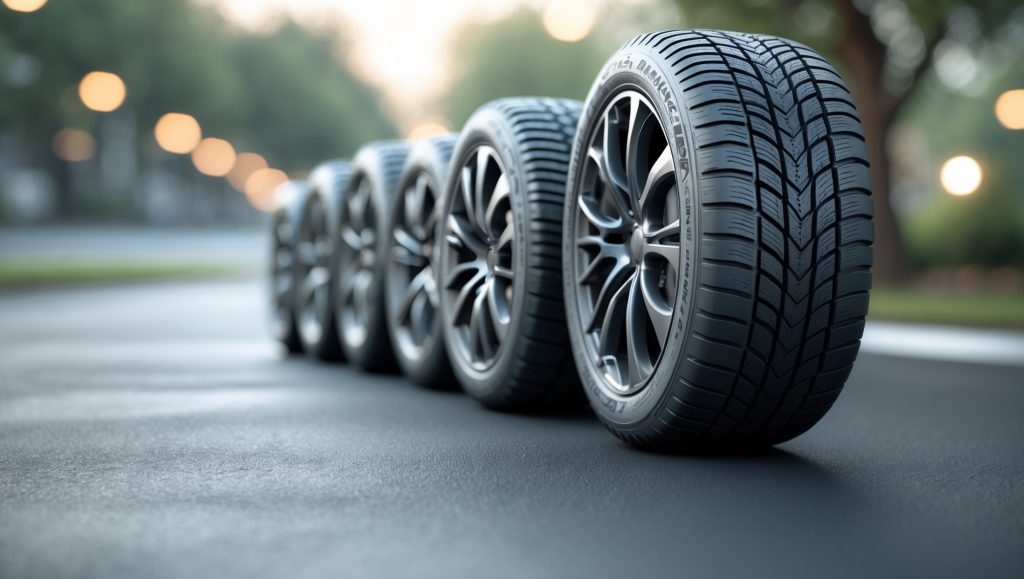
Some tyres are designed to roll easily, while others are built for grip or off-road use.
Tyres with low rolling resistance use special rubber compounds that reduce how much the tyre flexes as it rolls. Less flex means less energy wasted, which helps reduce fuel consumption.
On the other hand, tyres with deeper or more aggressive tread patterns create more friction with the road, which increases fuel use.
This is why SUVs fitted with all-terrain or wet-weather tyres often consume more fuel, even when driven only on highways.
Here's what to look out for when choosing fuel efficient tyres:
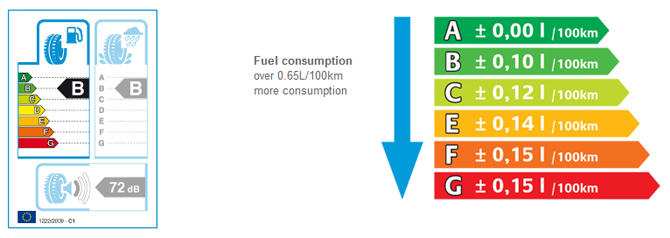
An example of a fuel efficiency rating chart common in EU-style labels.
Image via Ulster Tyre- Look for tyres labelled "low rolling resistance" or "fuel efficient"
- Check the tyre's fuel efficiency rating (common in EU-style labels), usually graded from A (most efficient) to E or G (least efficient)
- Higher-rated tyres can reduce fuel consumption by a few percent compared to lower-rated ones
- Avoid overly aggressive tread patterns unless you actually drive off-road
- Be cautious of very soft compound tyres, which prioritise grip but increase resistance
3. Larger wheels might look cool, but they usually burn more fuel
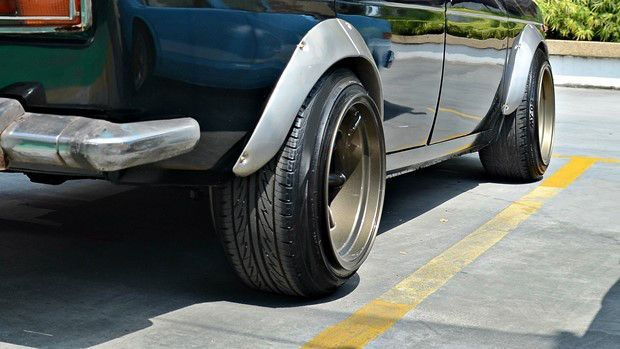
Larger and wider tyres don't just change how your car looks. They change how it moves.
Bigger wheels add weight and increase rotational mass, which means your engine needs more energy to spin them. Wider tyres also create more contact with the road, increasing resistance.
Even small changes in tyre size can affect fuel consumption by a few percent.
4. Worn-out tyres are both dangerous and inefficient
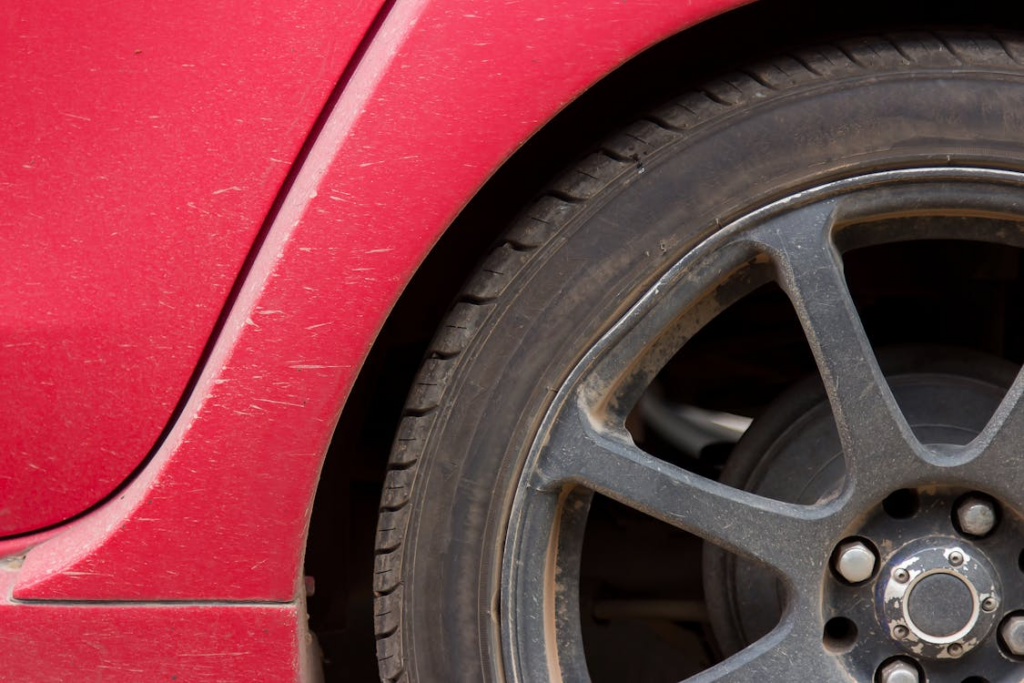
As tyres wear down, their tread patterns become less effective and their behaviour on the road changes.
Less grip means your car needs more small corrections in braking, acceleration, or steering to stay stable. These adjustments may feel minor, but they increase fuel usage over time.
Cheaper tyres also tend to wear unevenly, which makes the problem worse.
You can learn how to spot tyre wear by reading this guide.
5. Misalignment and imbalance are really bad for fuel economy
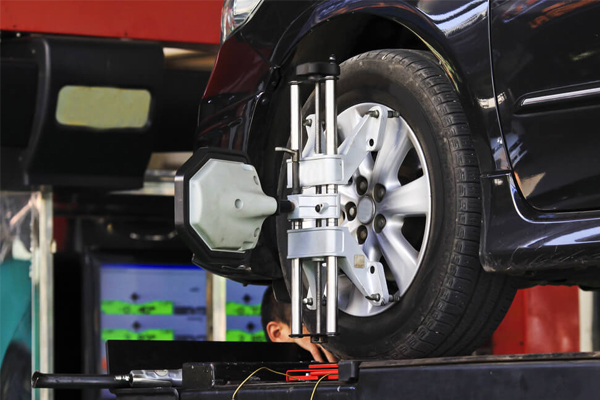
When your wheels are misaligned, they are not pointing in the same direction. This causes the tyres to drag slightly sideways instead of rolling straight, which increases resistance and wastes fuel.
Unbalanced tyres also spin unevenly, which leads to vibrations and uneven wear that also reduce efficiency.
6. A rough driving style negatively impacts your tyres
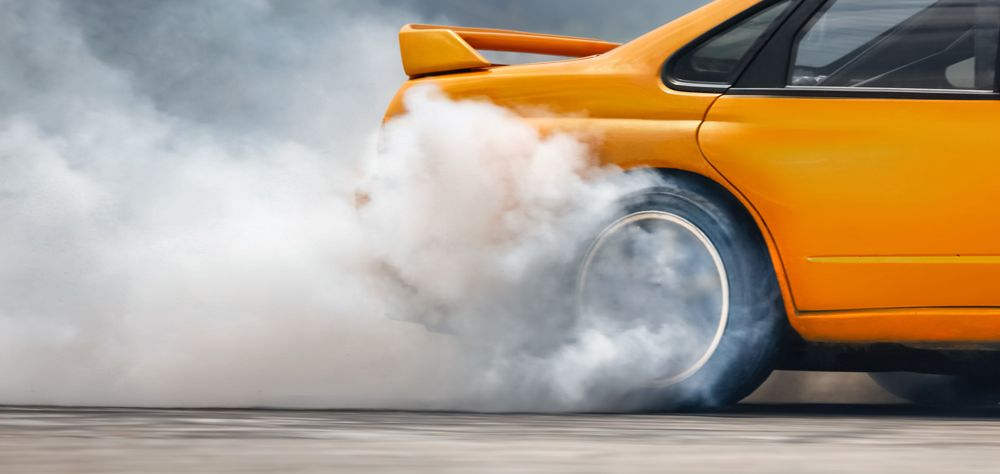
Every time you accelerate, brake, or turn, your tyres slightly change shape as they grip the road. This is all made worse when you perform such actions suddenly and aggressively.
Aggressive driving increases tyre deformation, which wastes more energy. That wasted energy ultimately comes from fuel.
Want to fix all of these issues? Adhere to the checklist below.
- Check tyre pressure monthly
- Choose tyres that match your driving needs
- Avoid unnecessary tyre modifications and upsizing
- Ask for wheel alignment and balancing during your vehicle's regular maintenance
- Adopt a smoother driving style and reduce your speed on the road
If you want to learn how to change a flat tyre, check out this guide.
Read more trending stories on SAYS

.jpg)
“Red Means Go” — This Short Film Reminds M’sians To Keep Moving Forward Amid Life’s Challenges
It doesn't matter if you're expanding your business, starting your family, or saving up for the future.